Collection Introduction
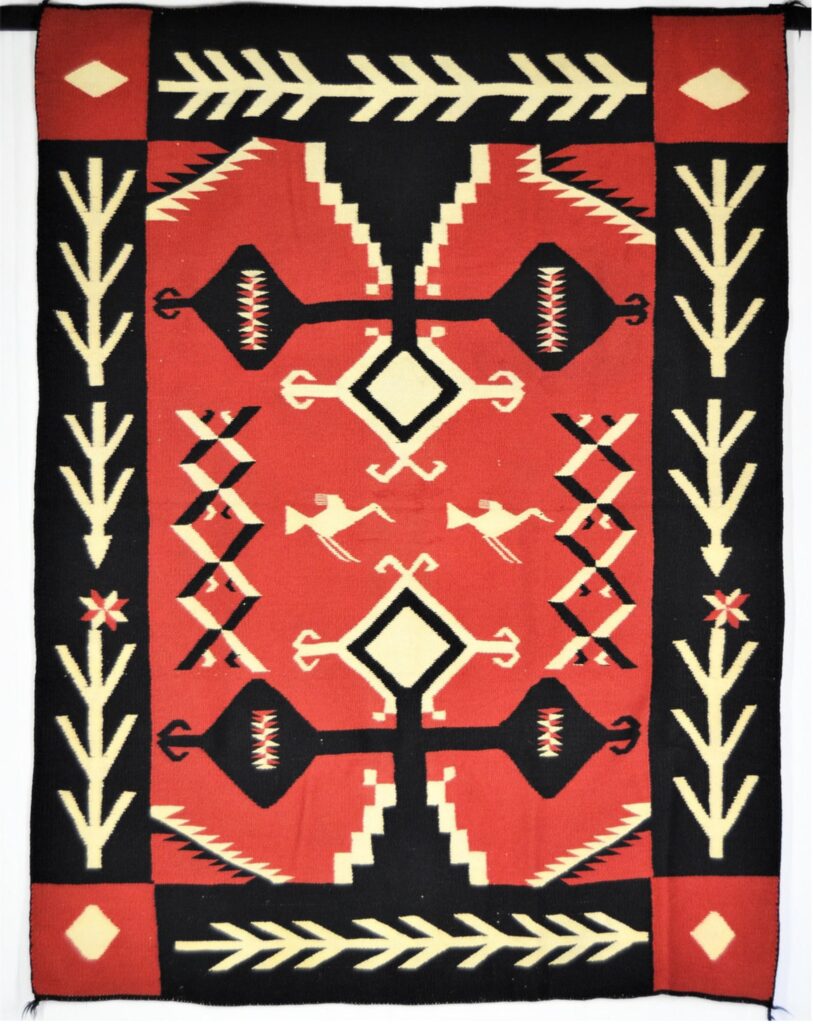
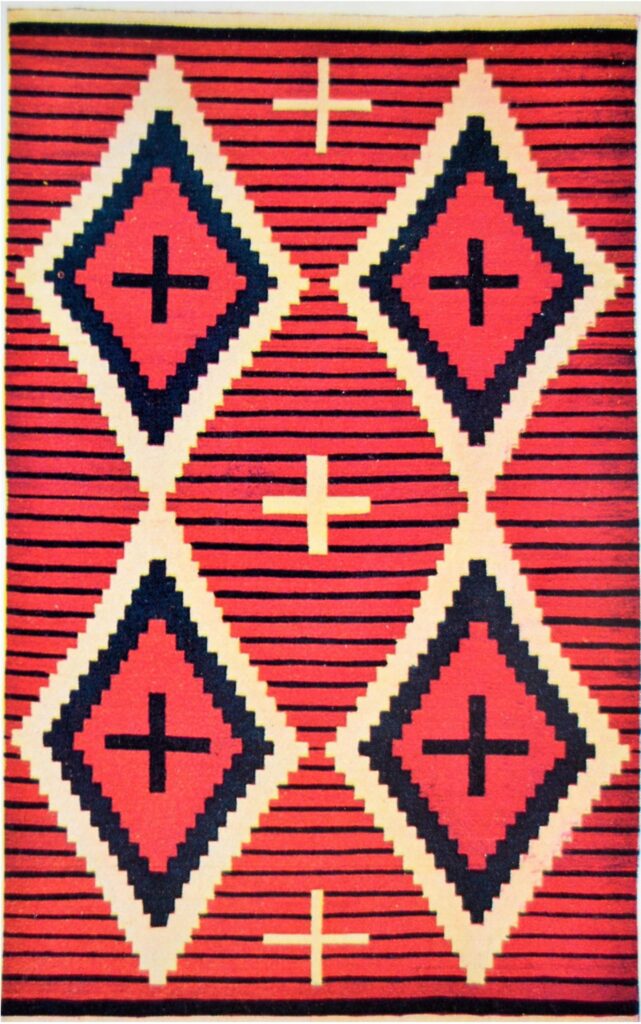
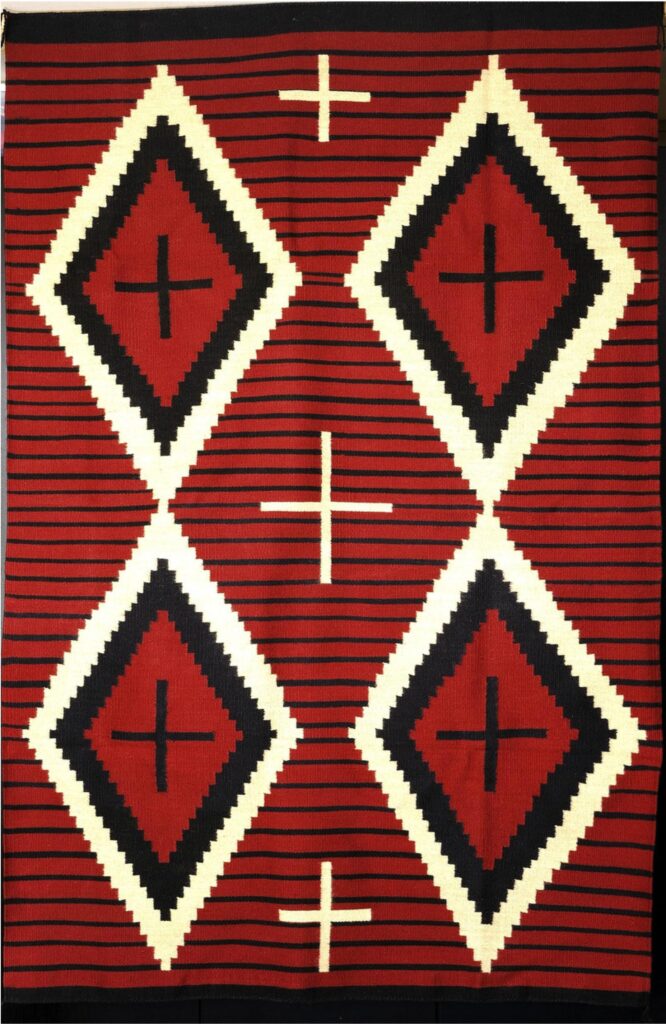
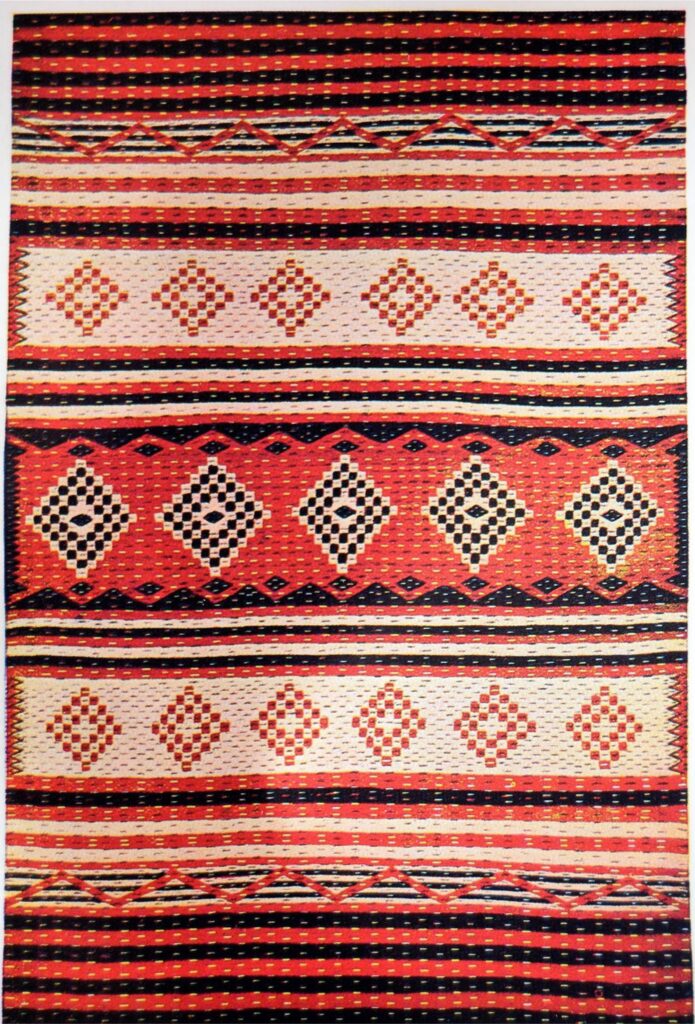
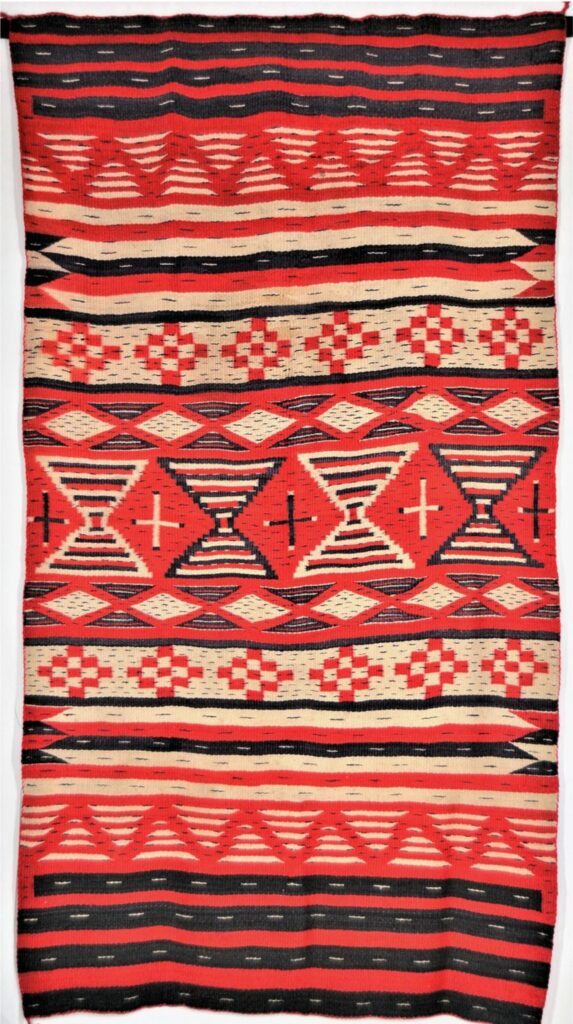
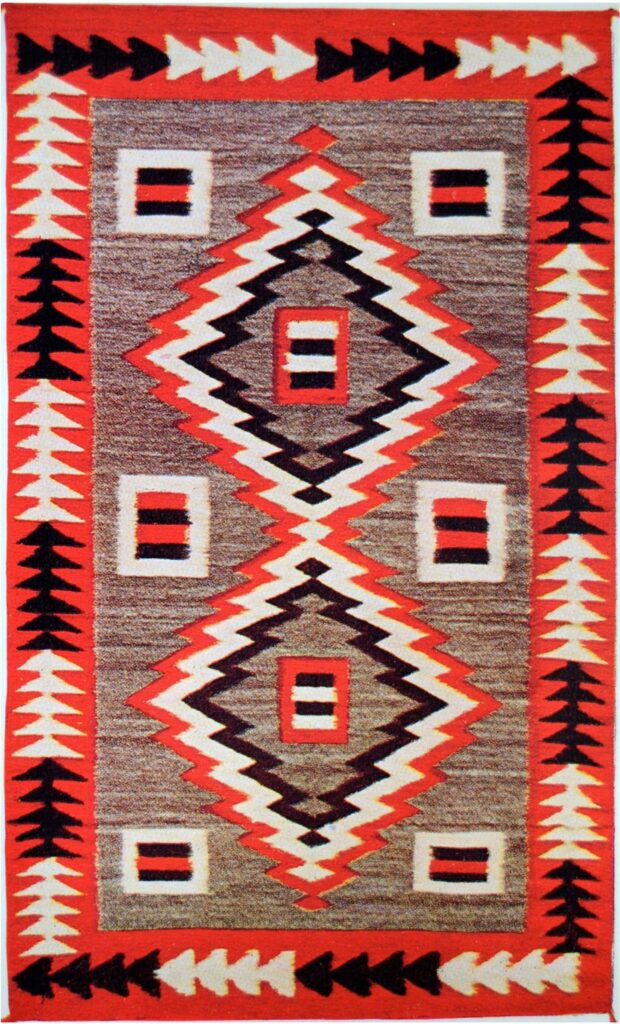
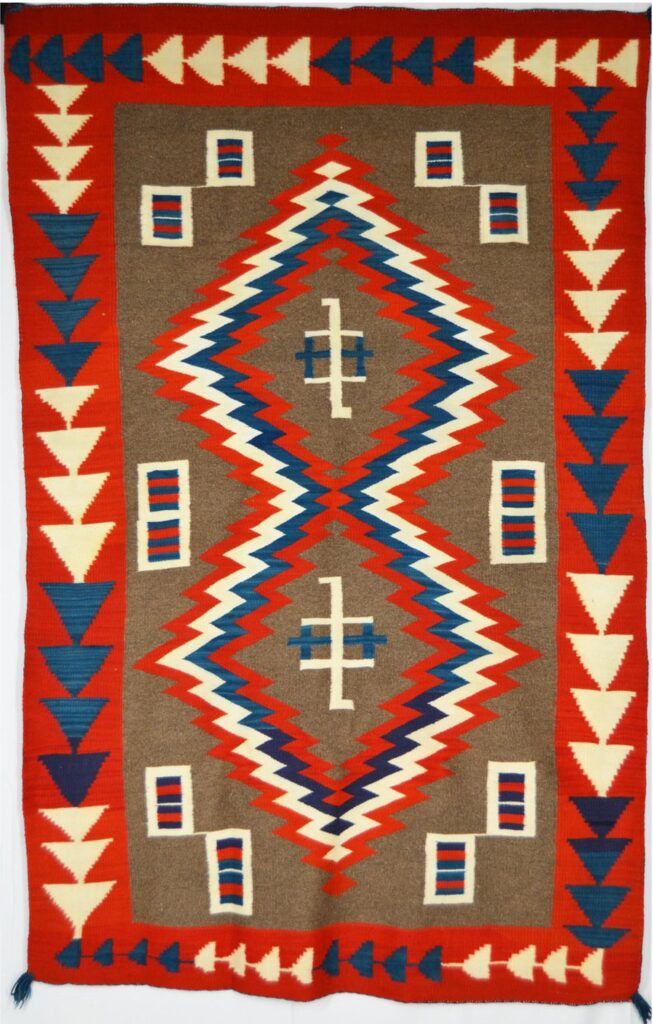
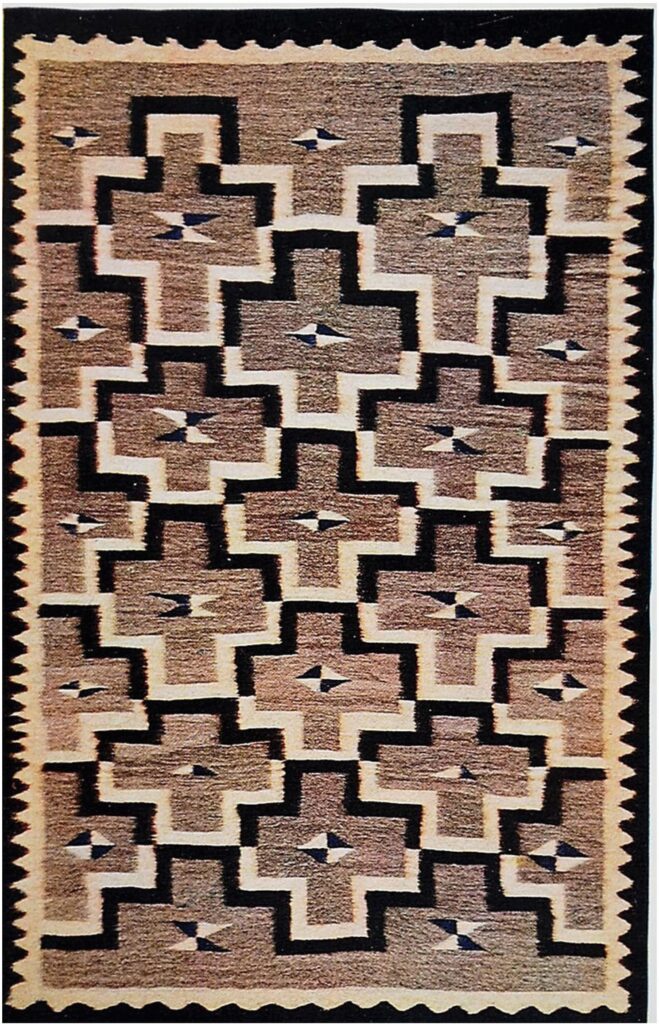
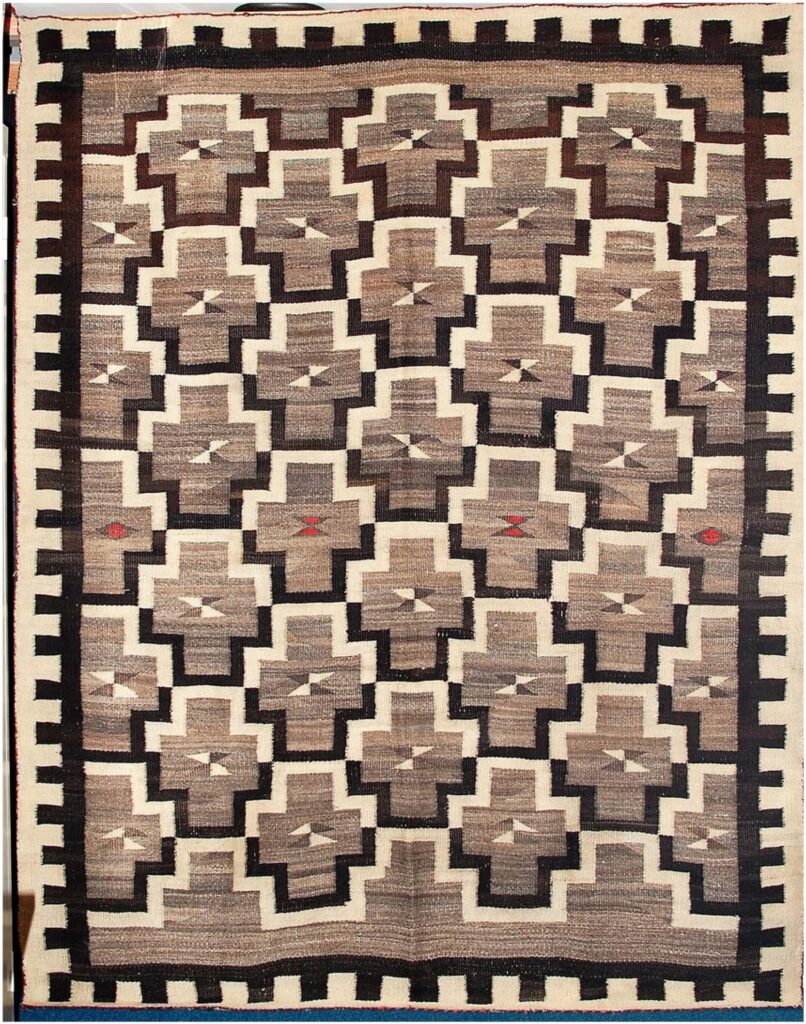
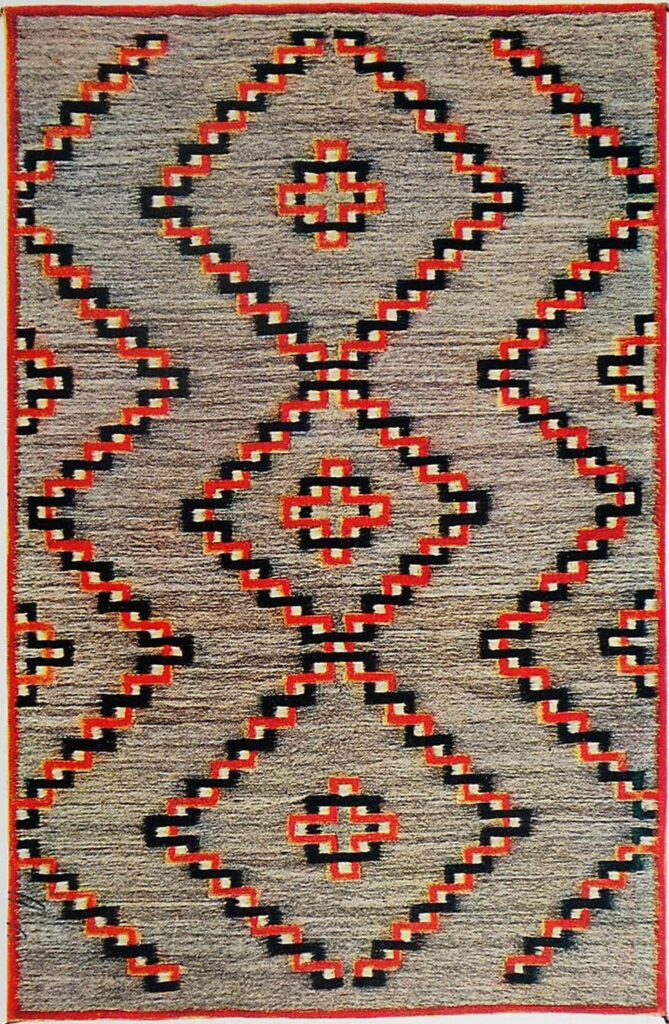
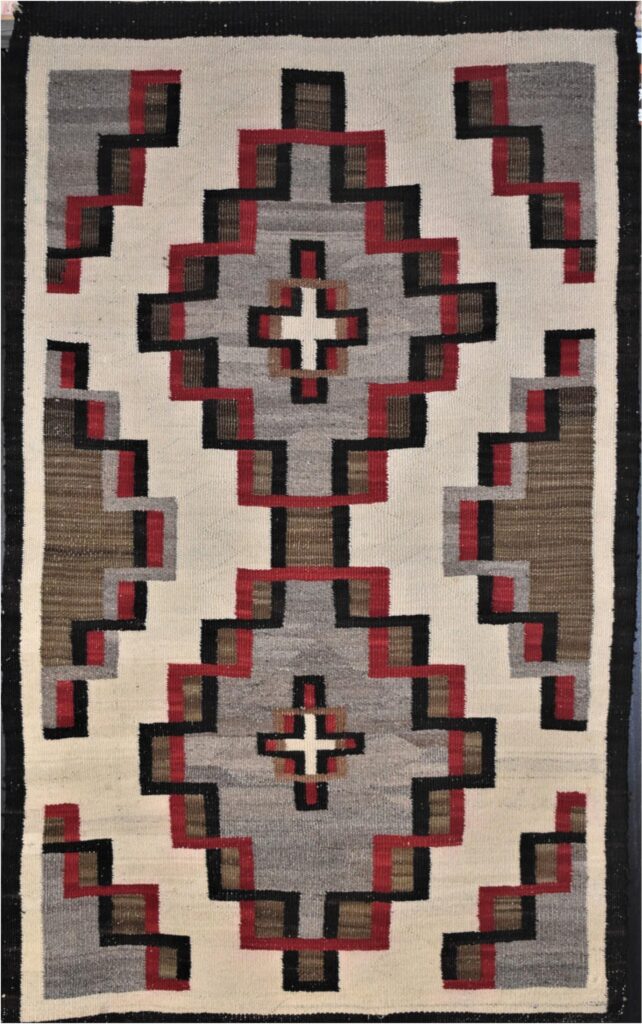
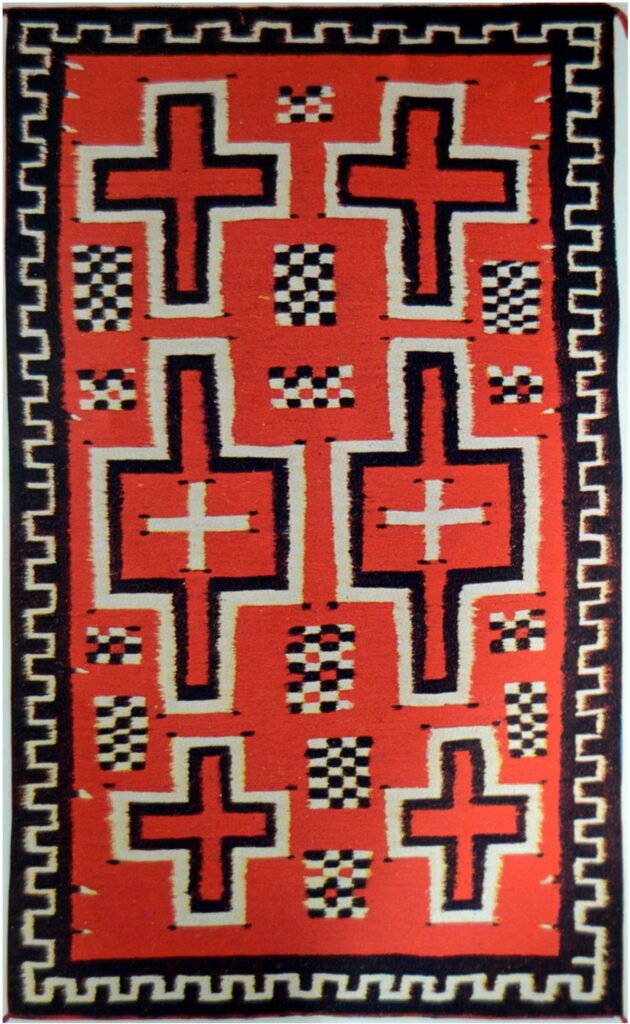
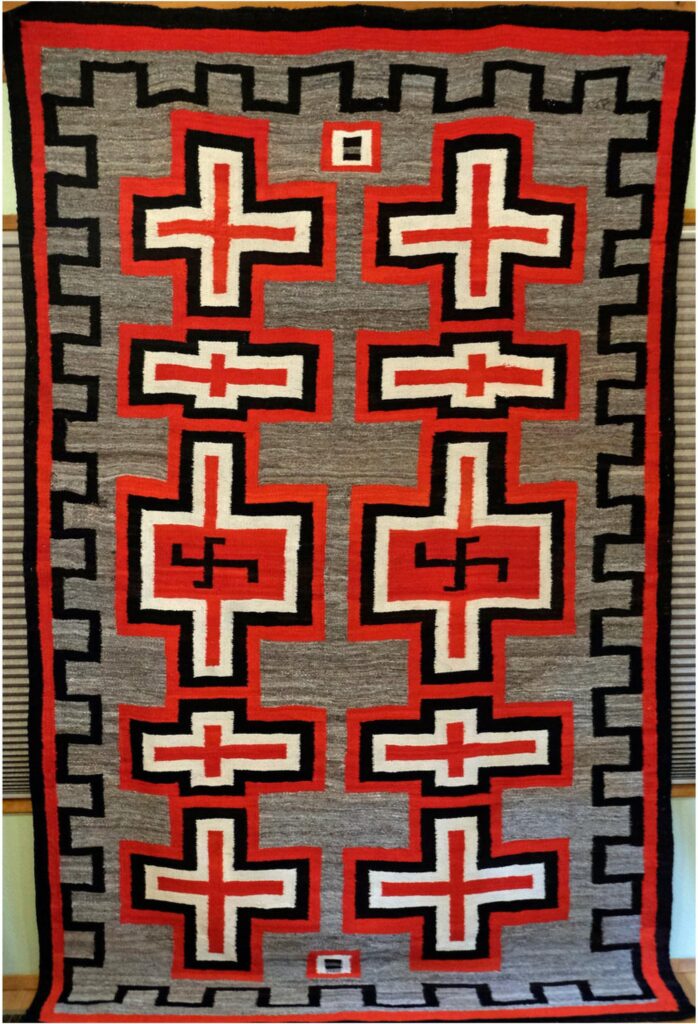
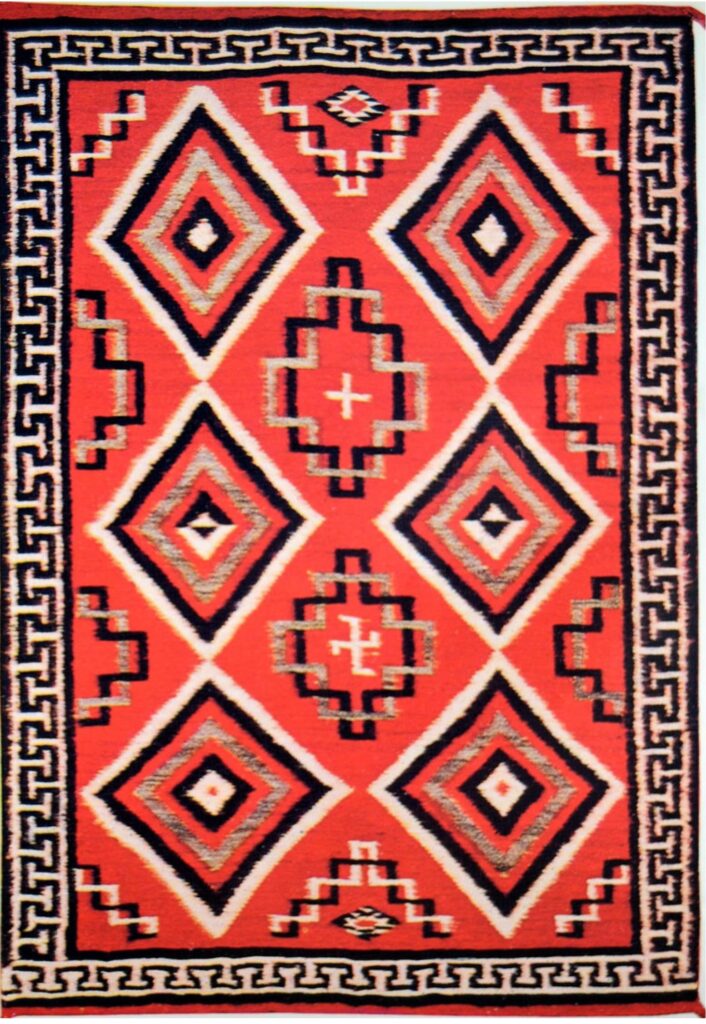
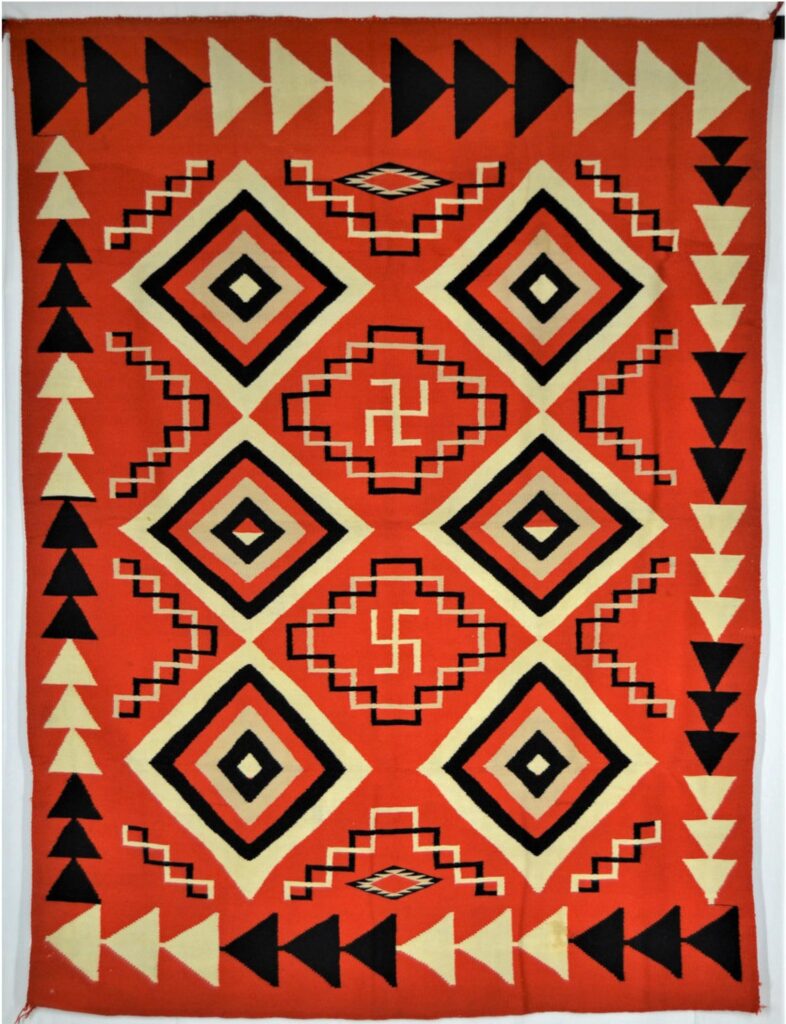
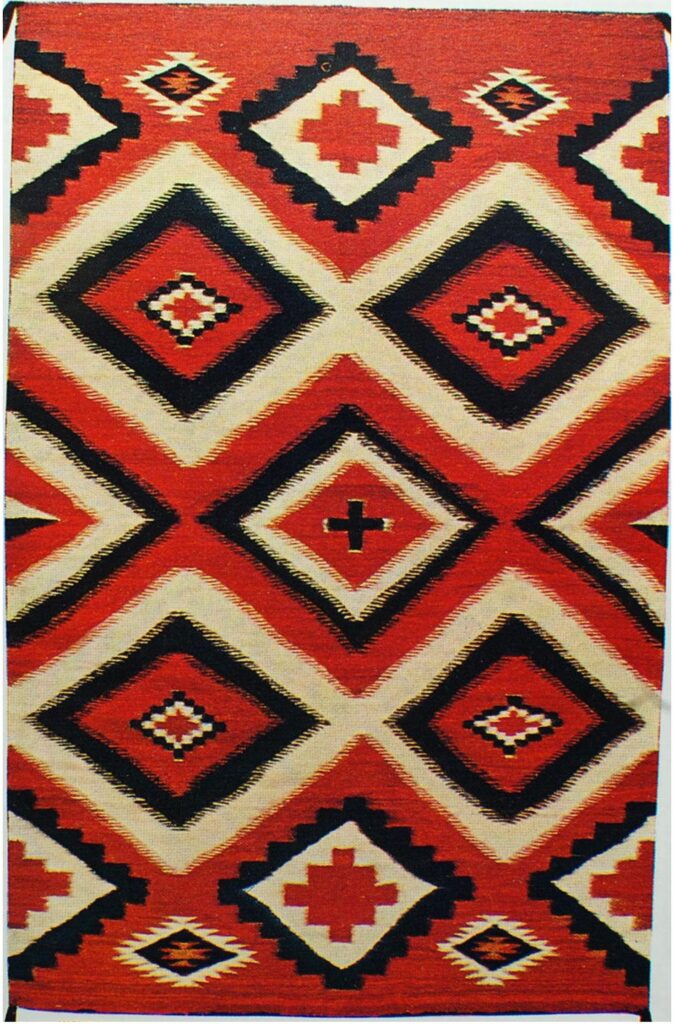
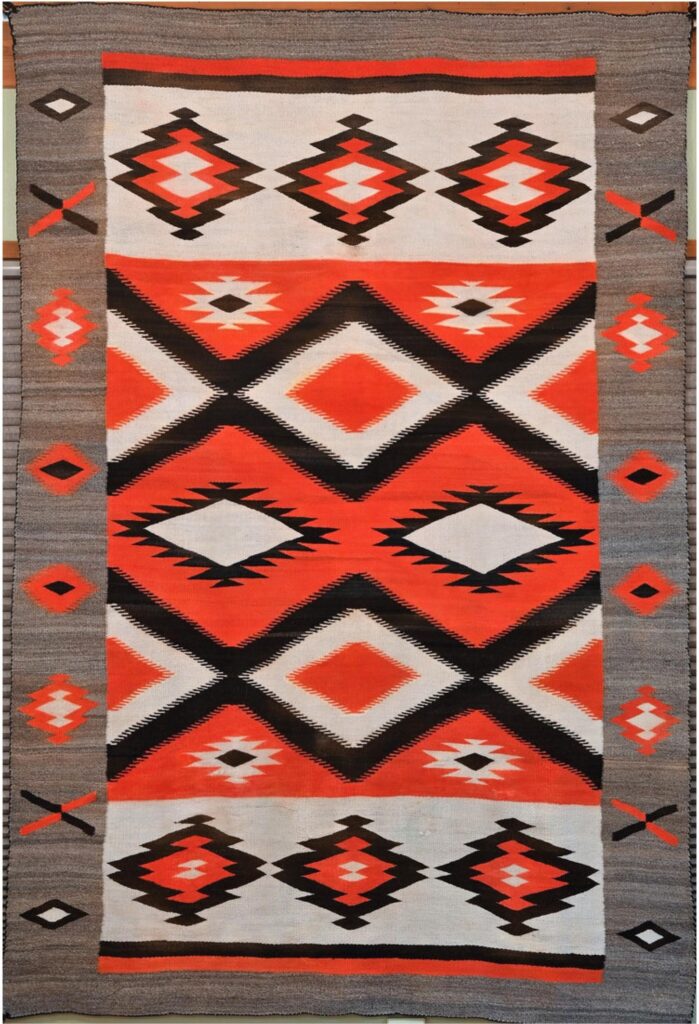
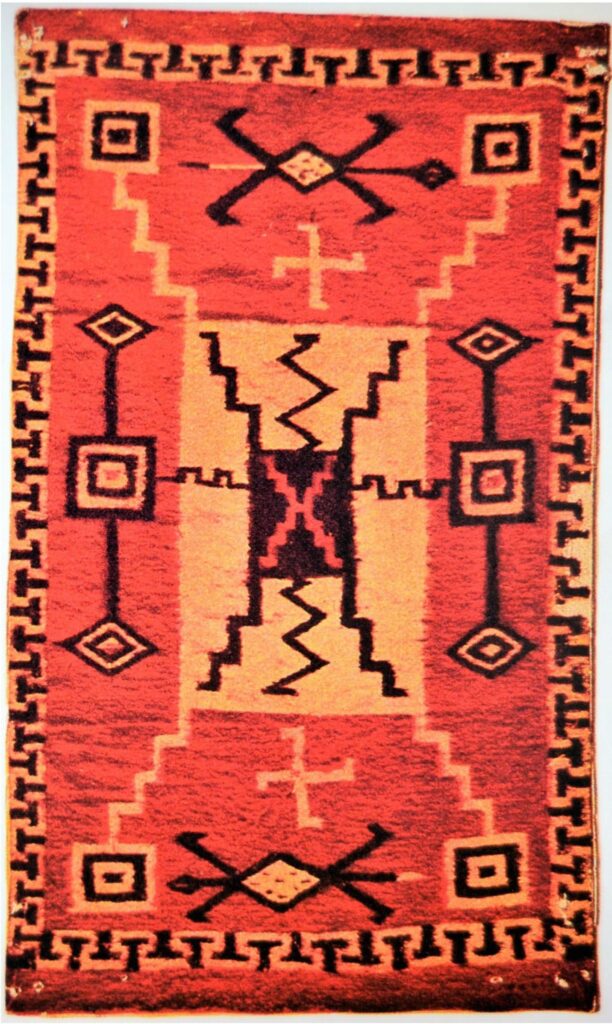
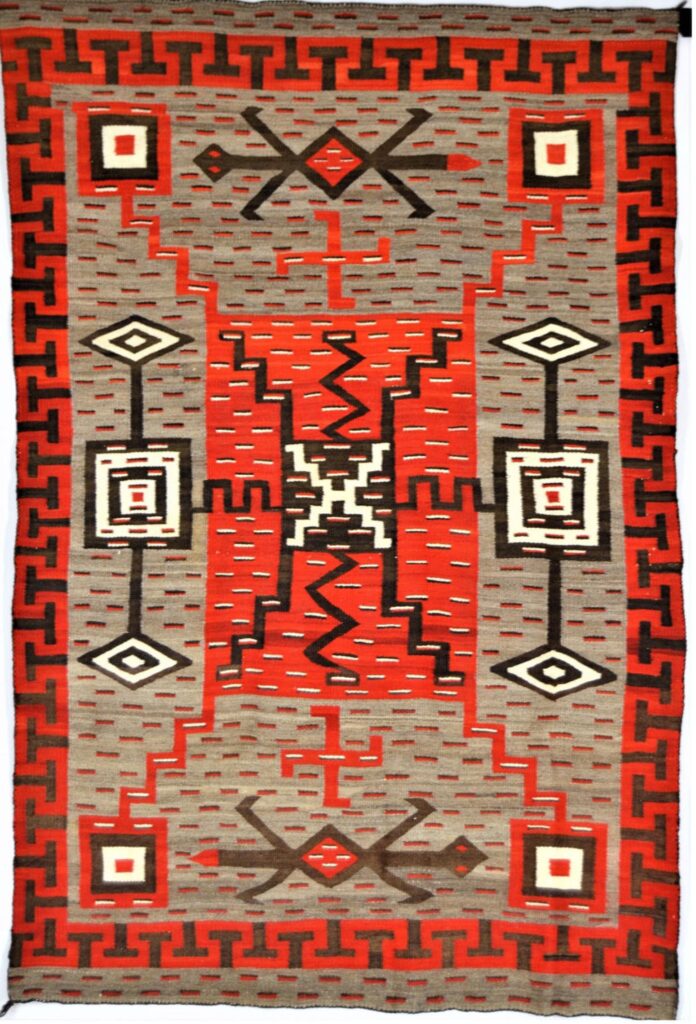
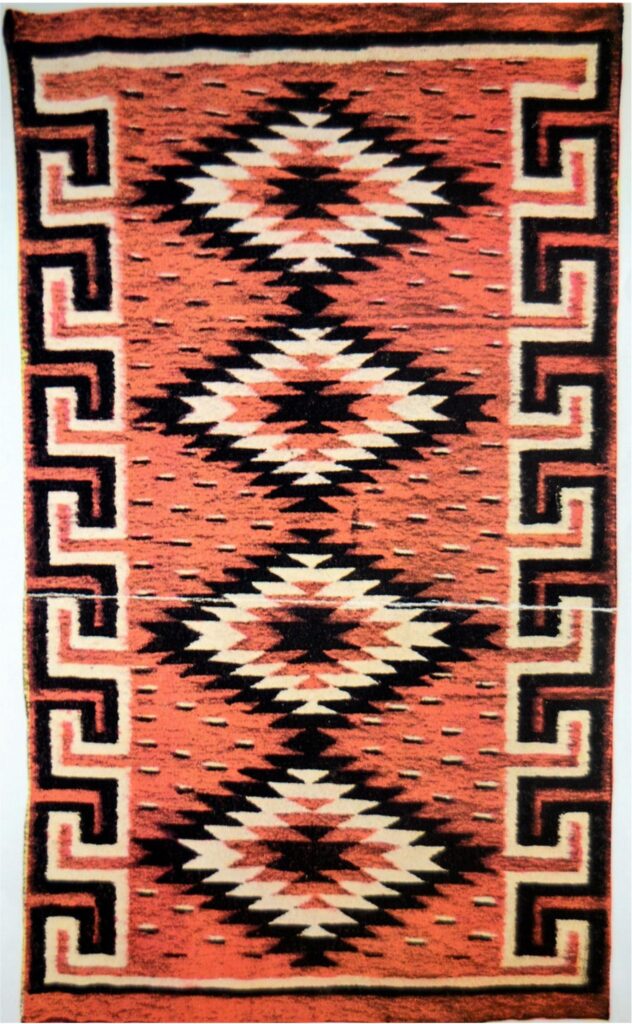
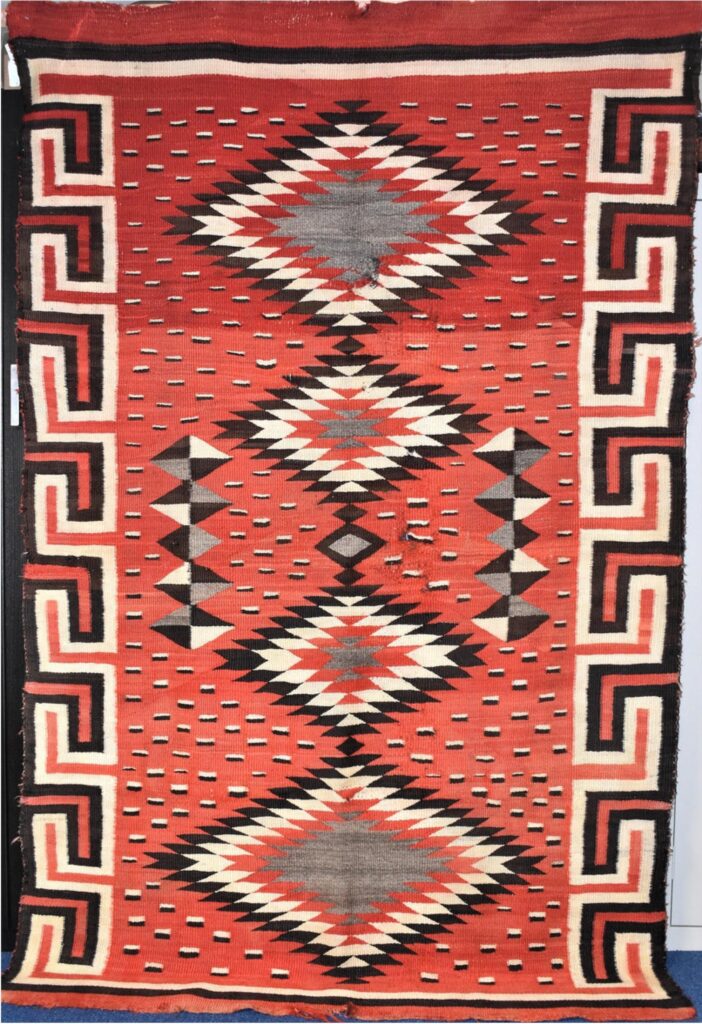
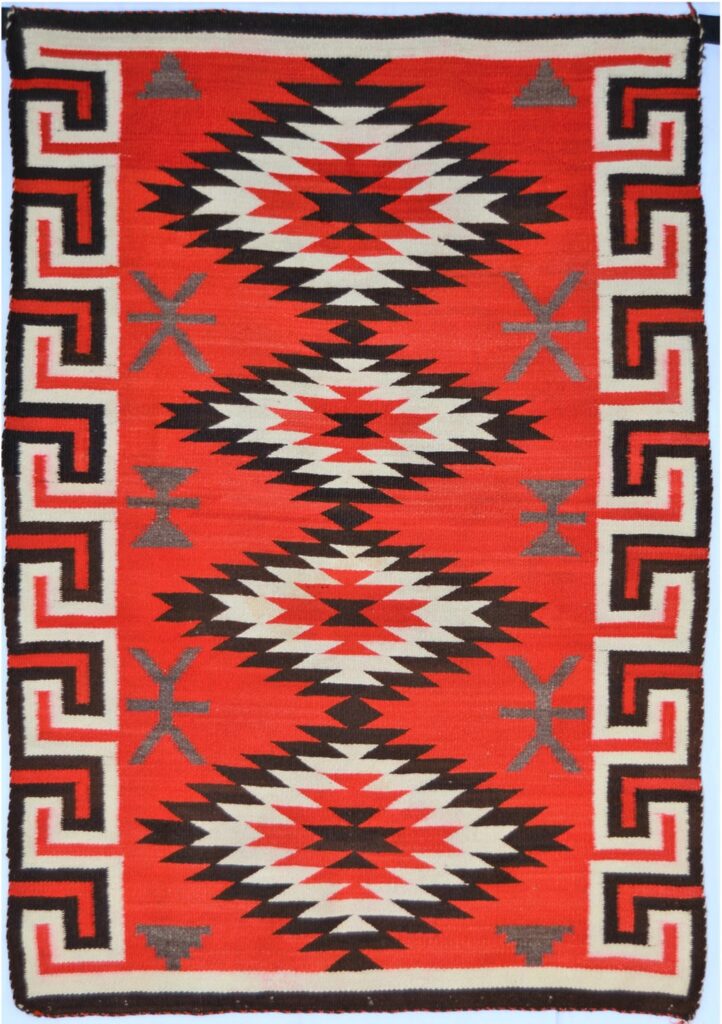
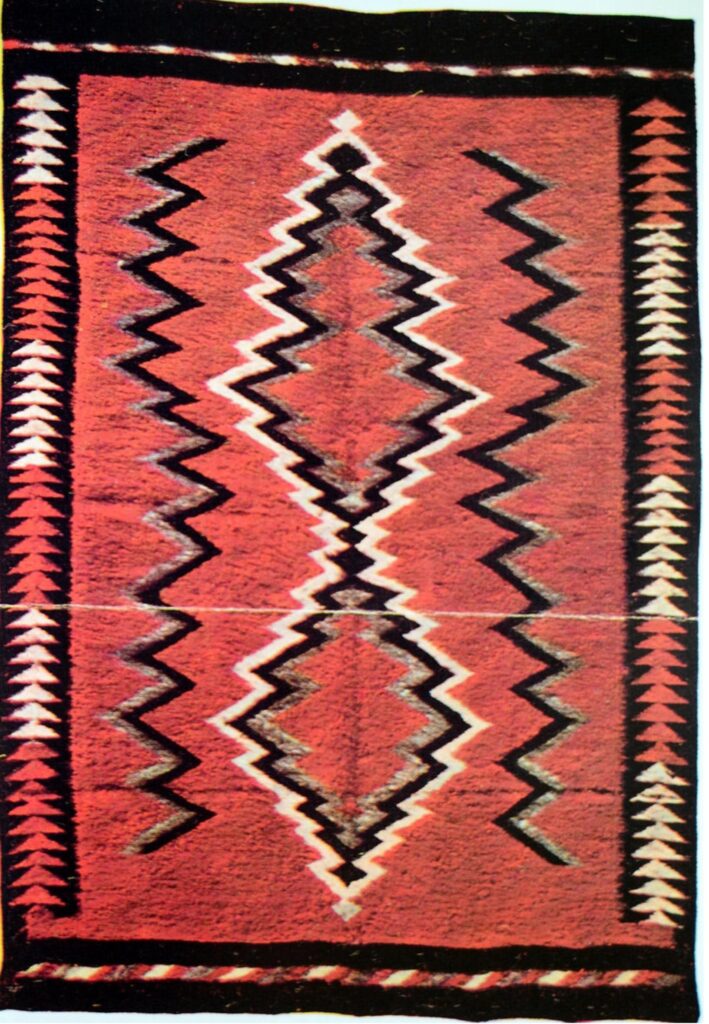
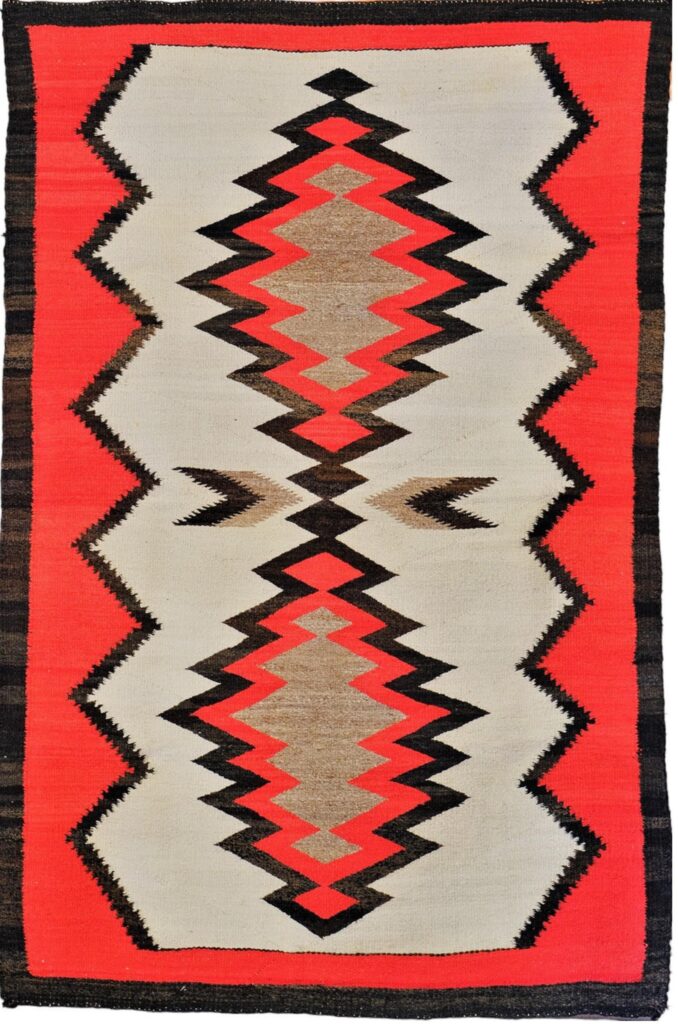
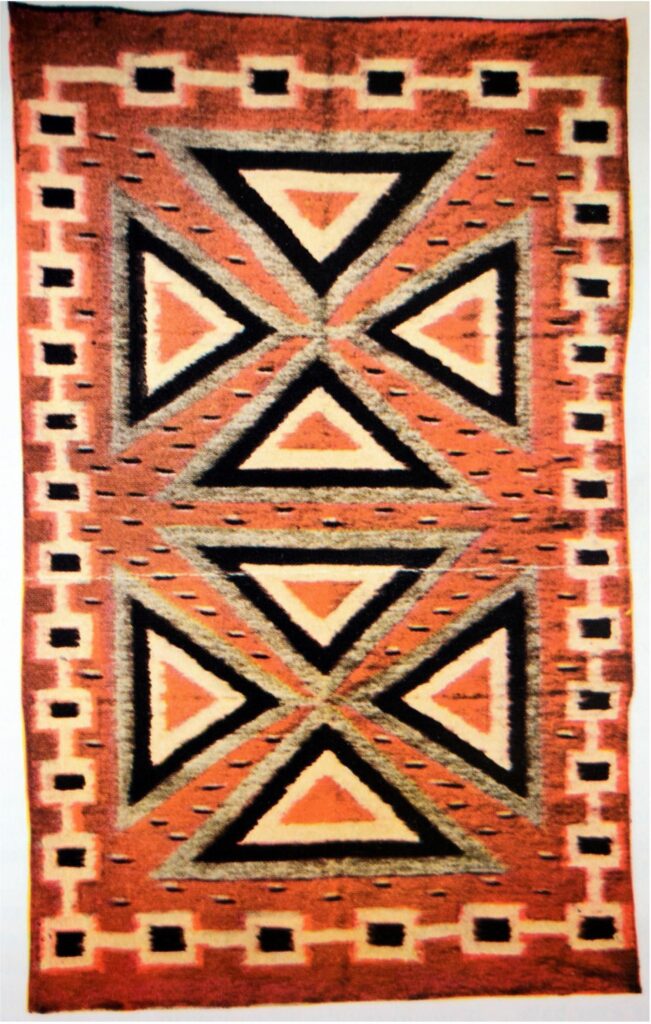
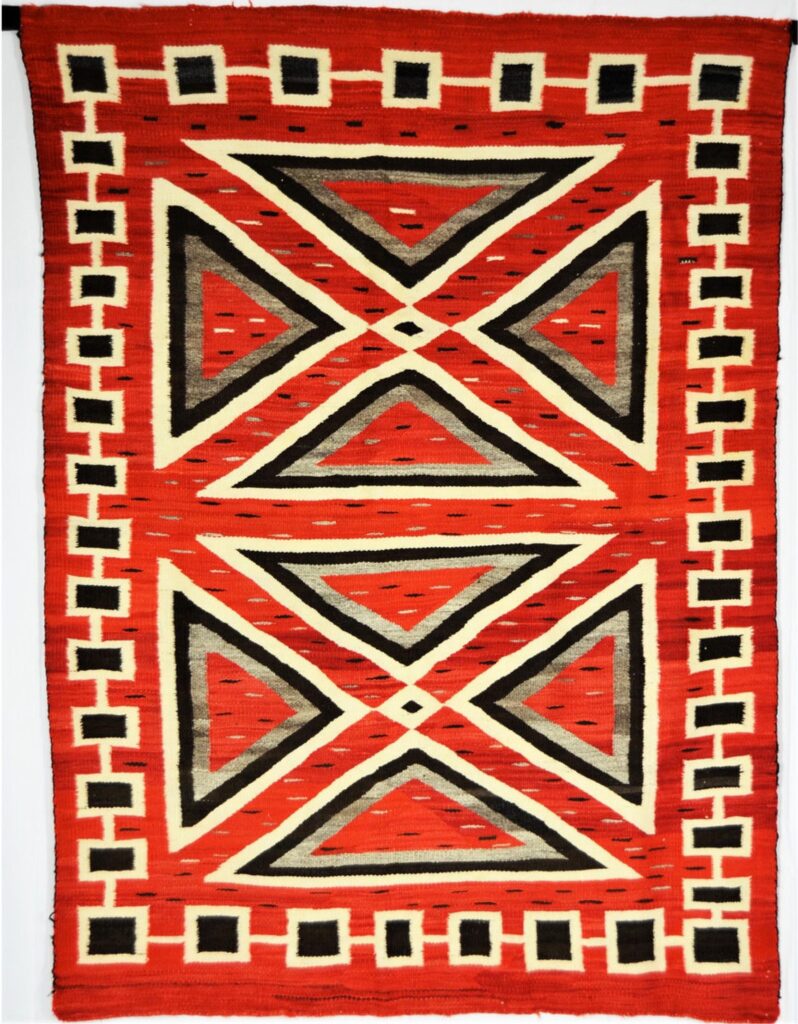
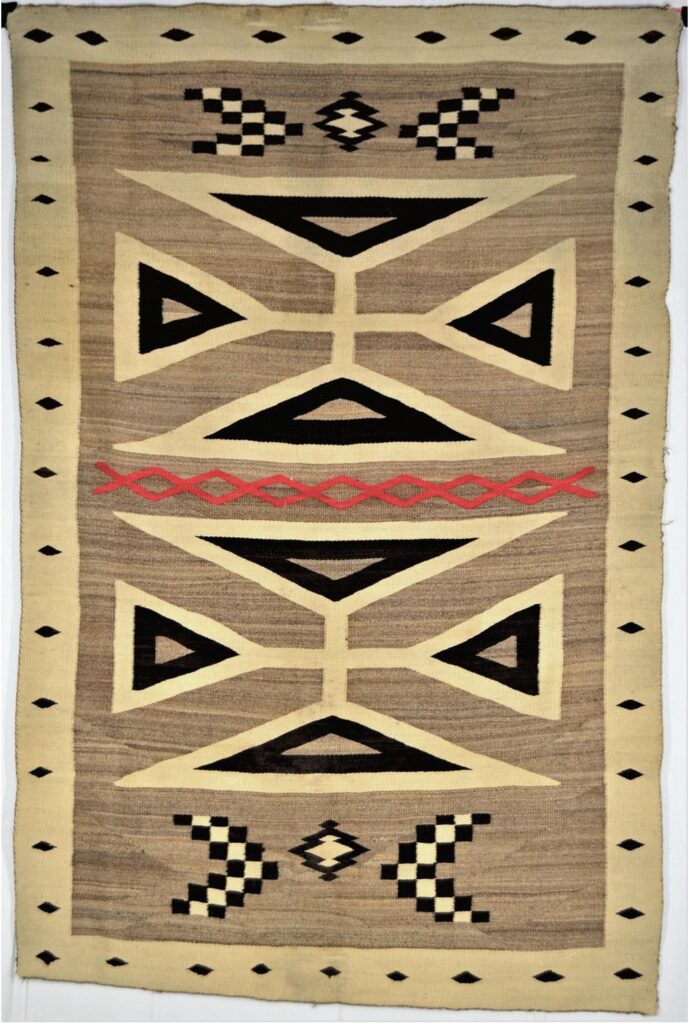
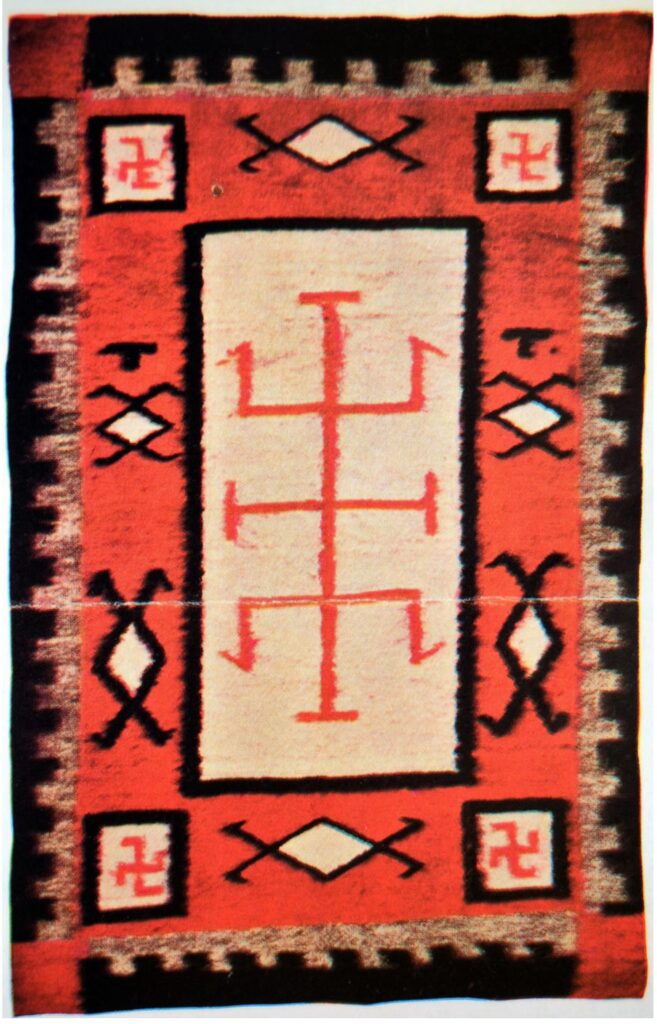
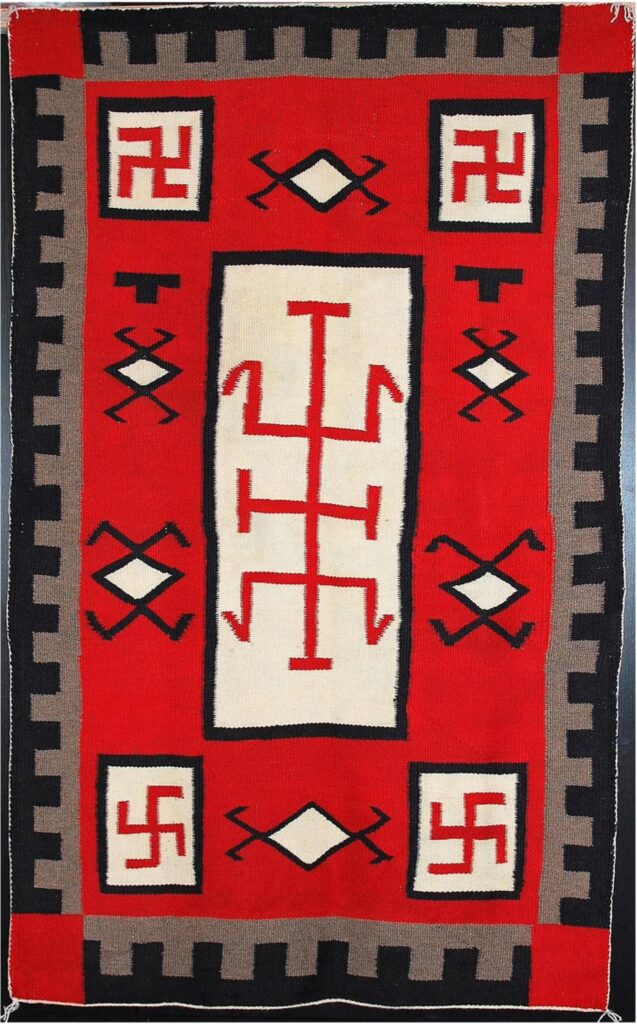
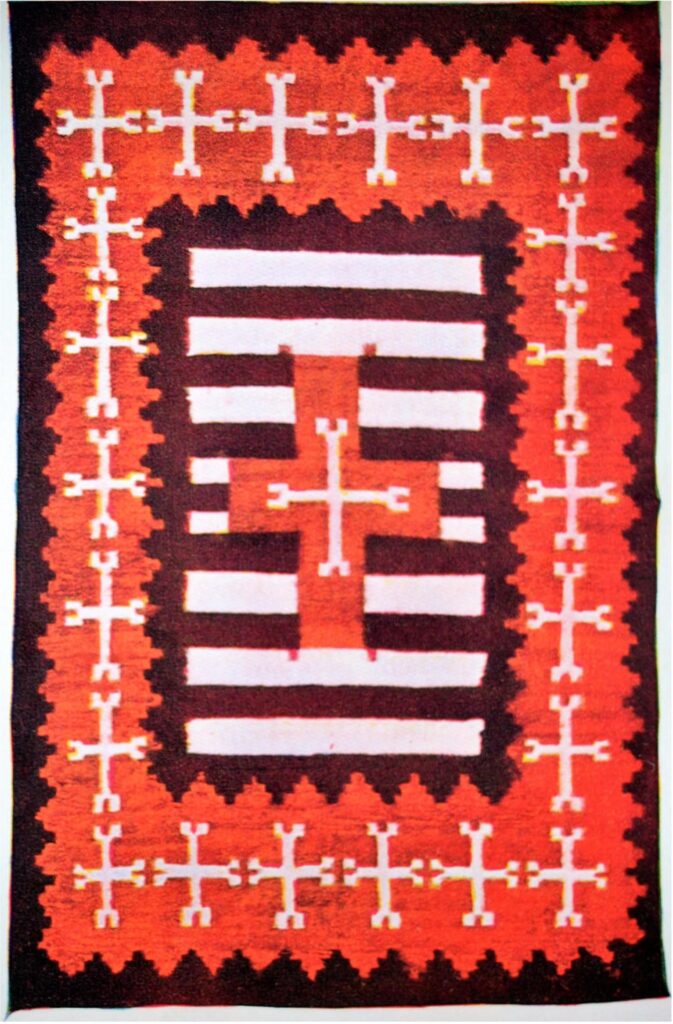
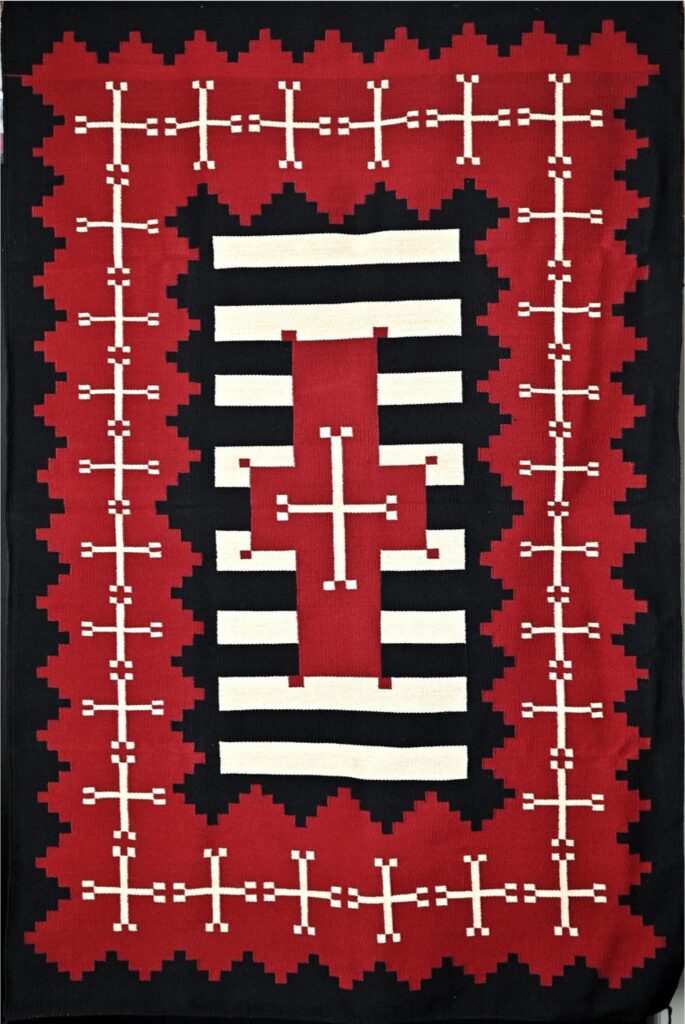
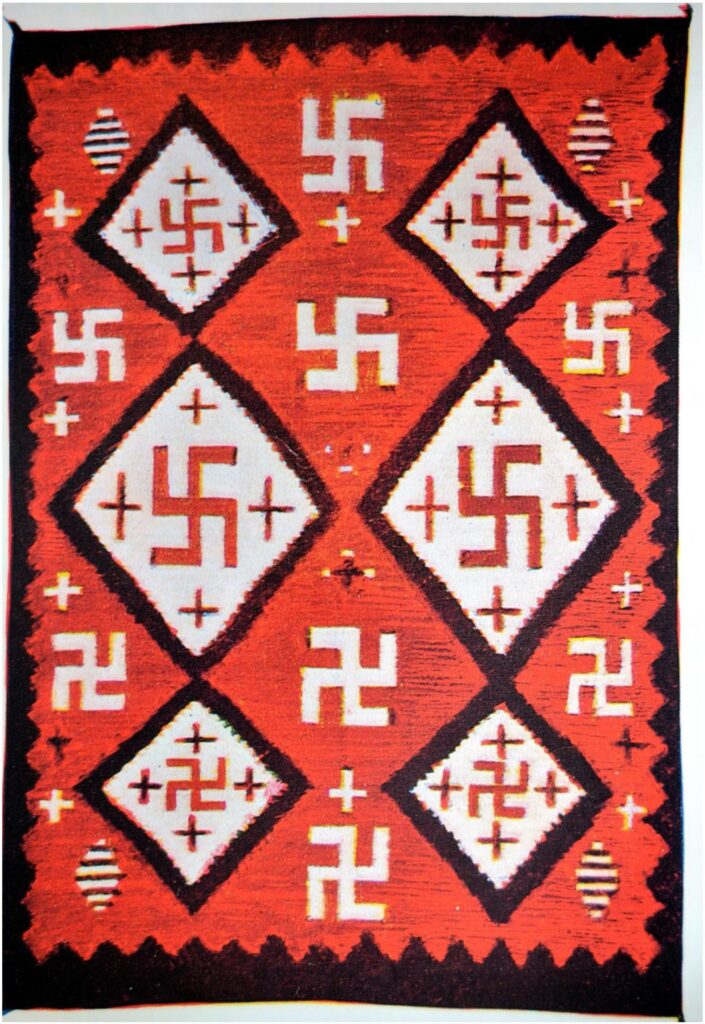
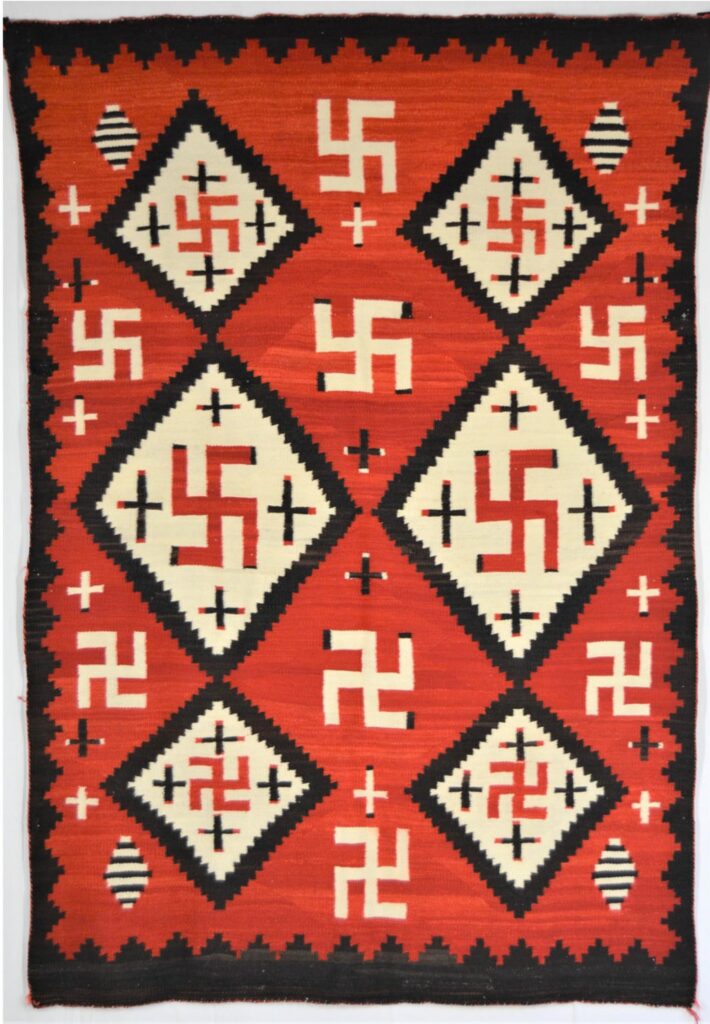
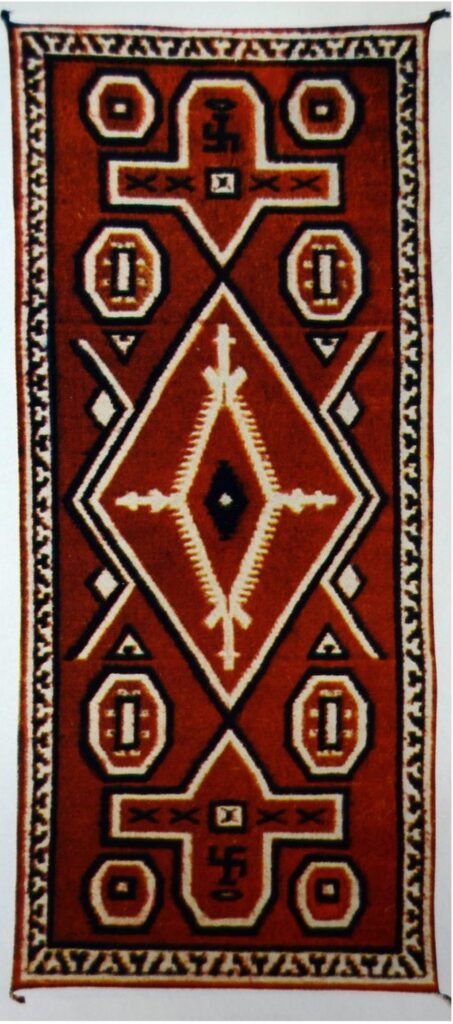
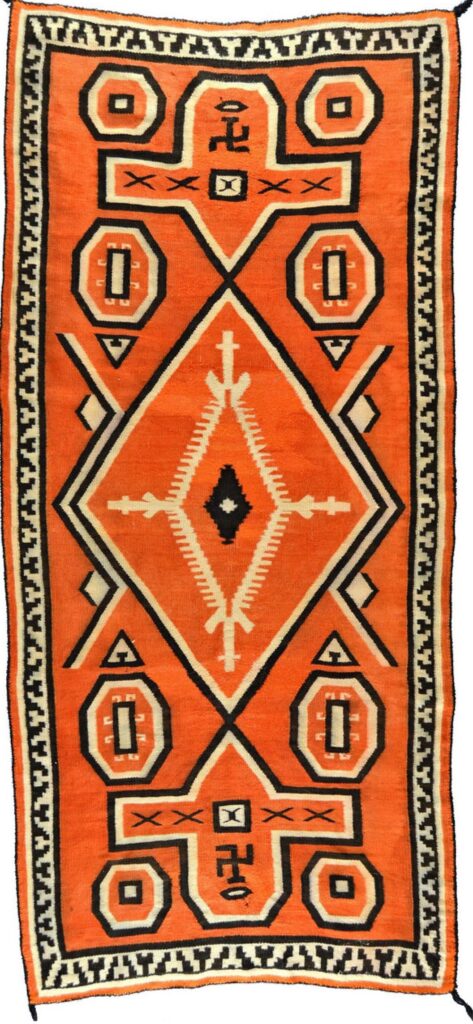
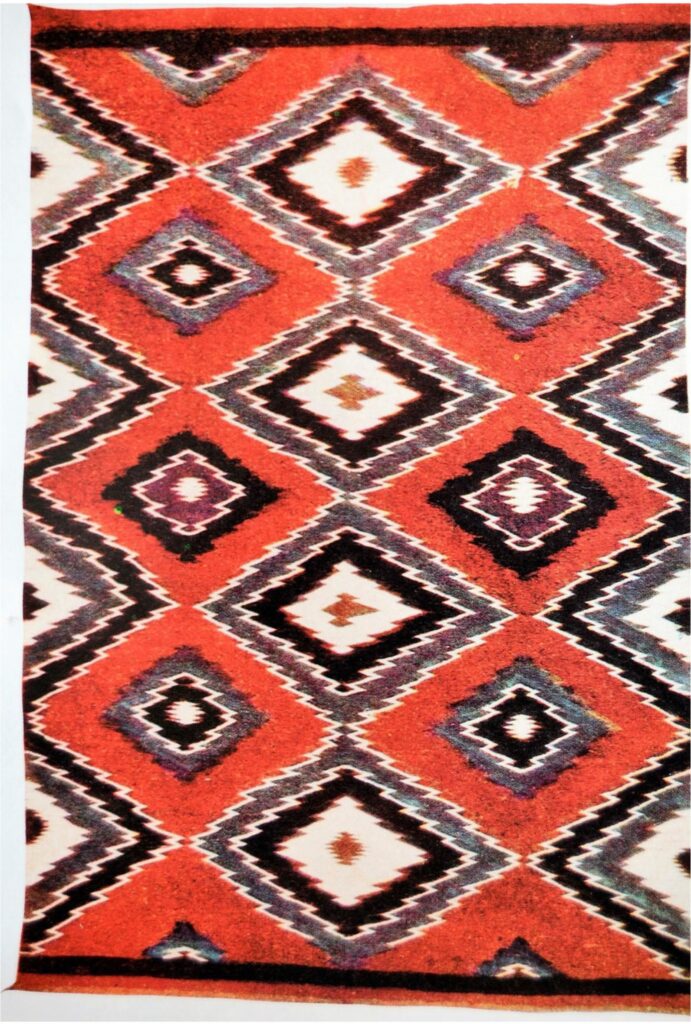
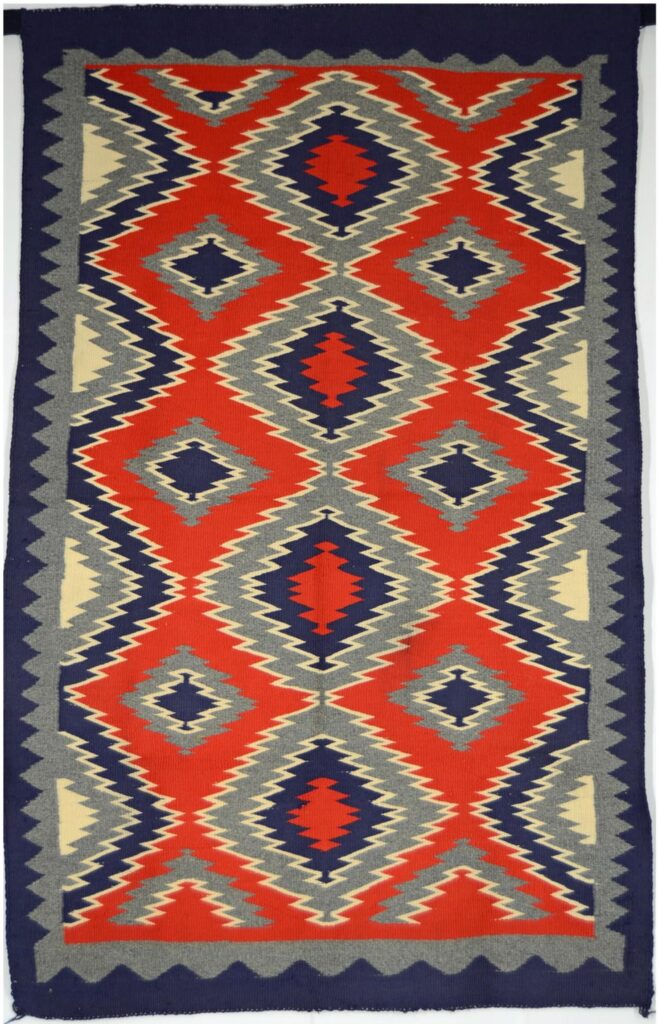
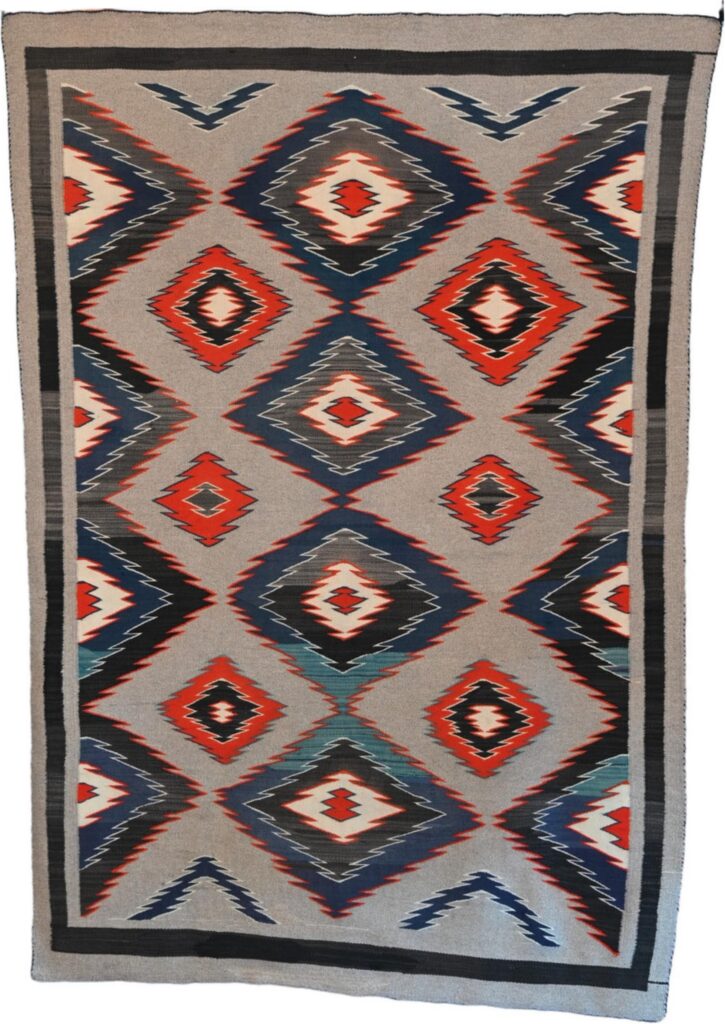
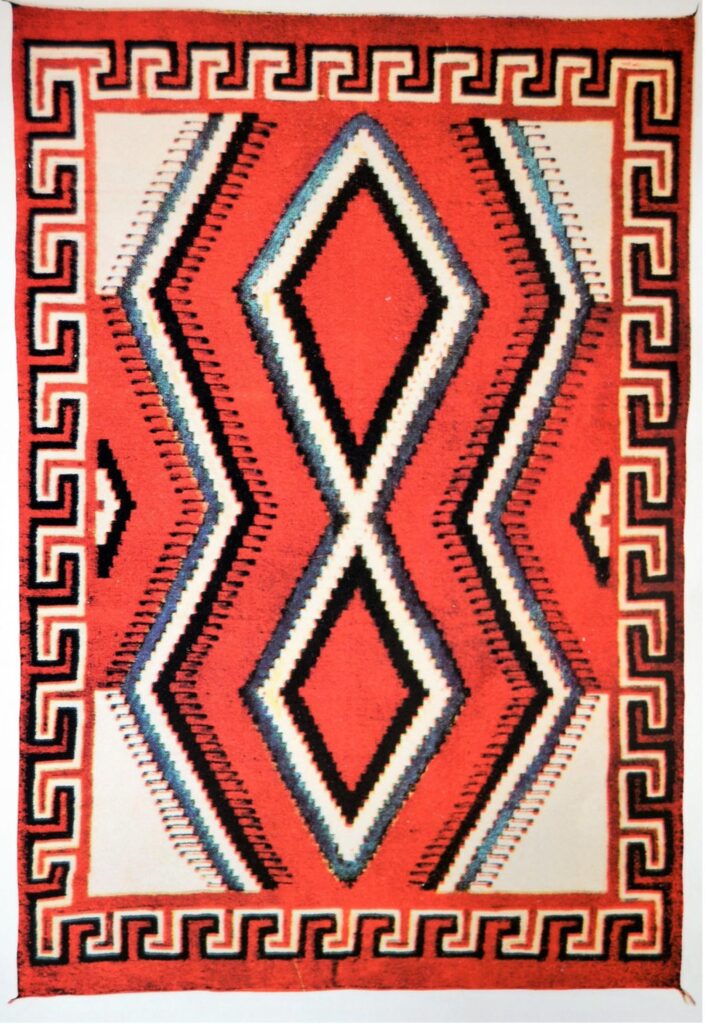
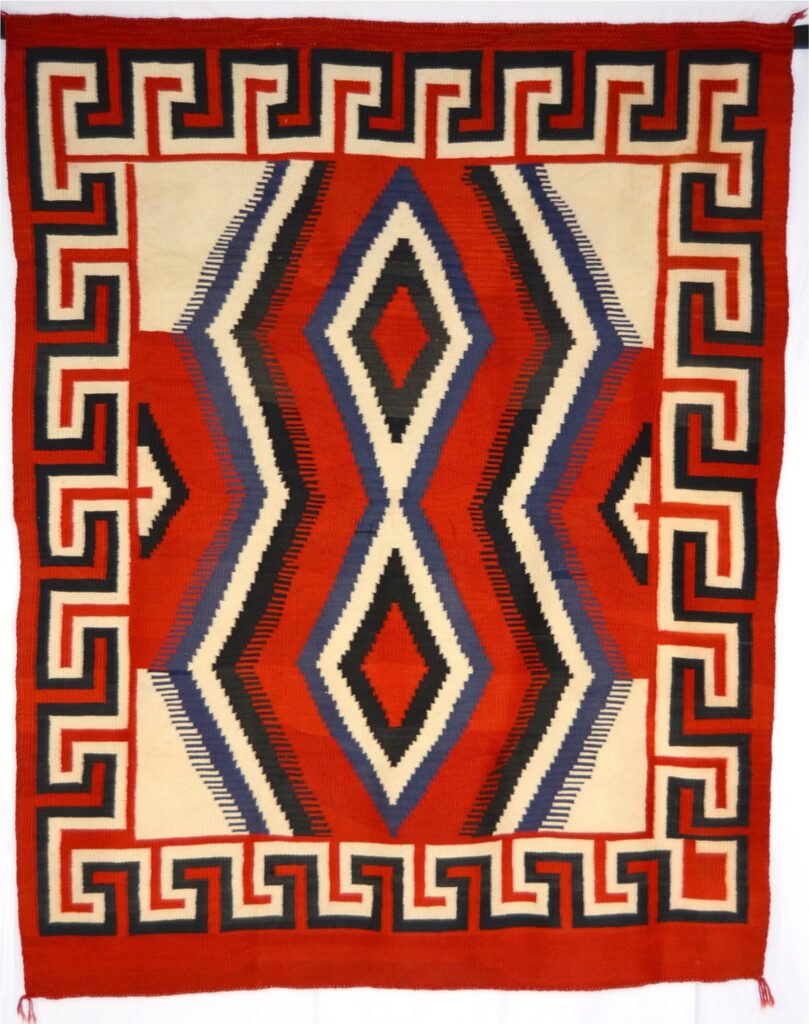
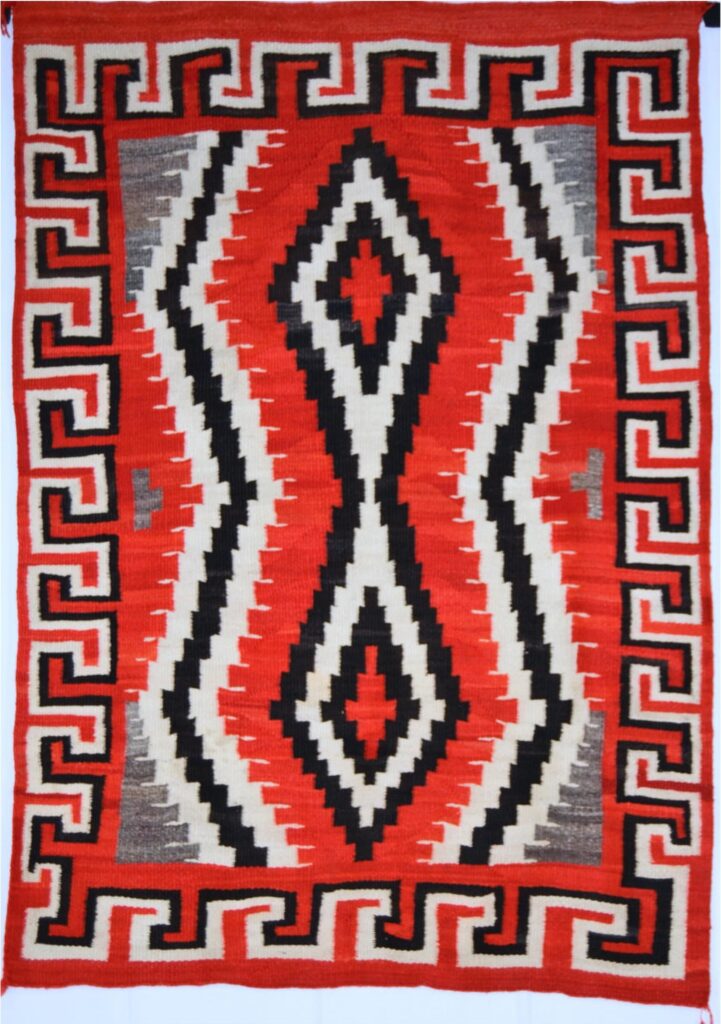
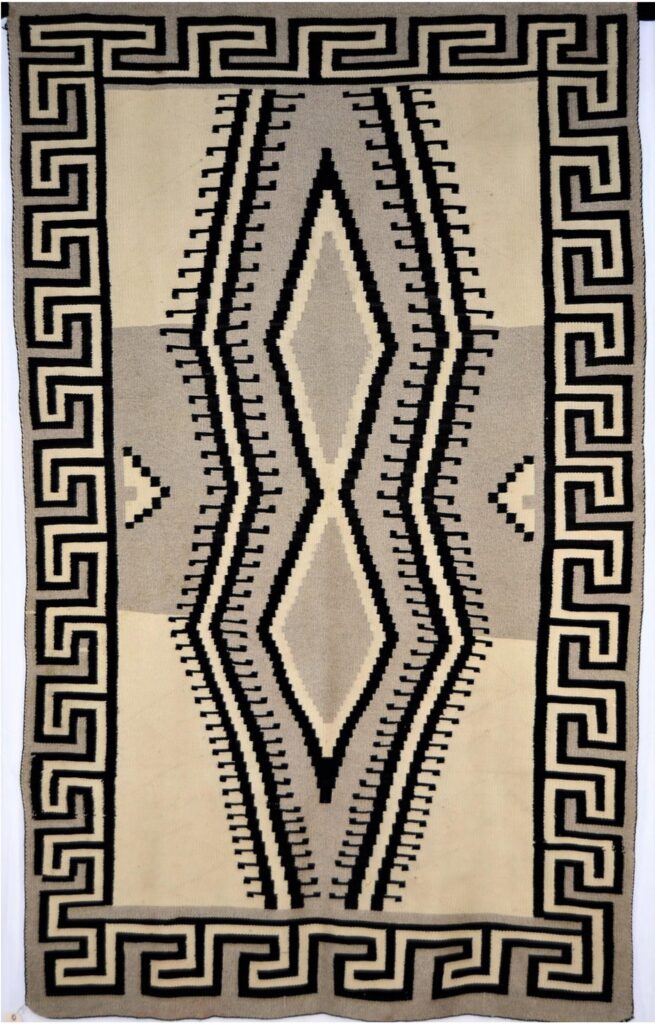
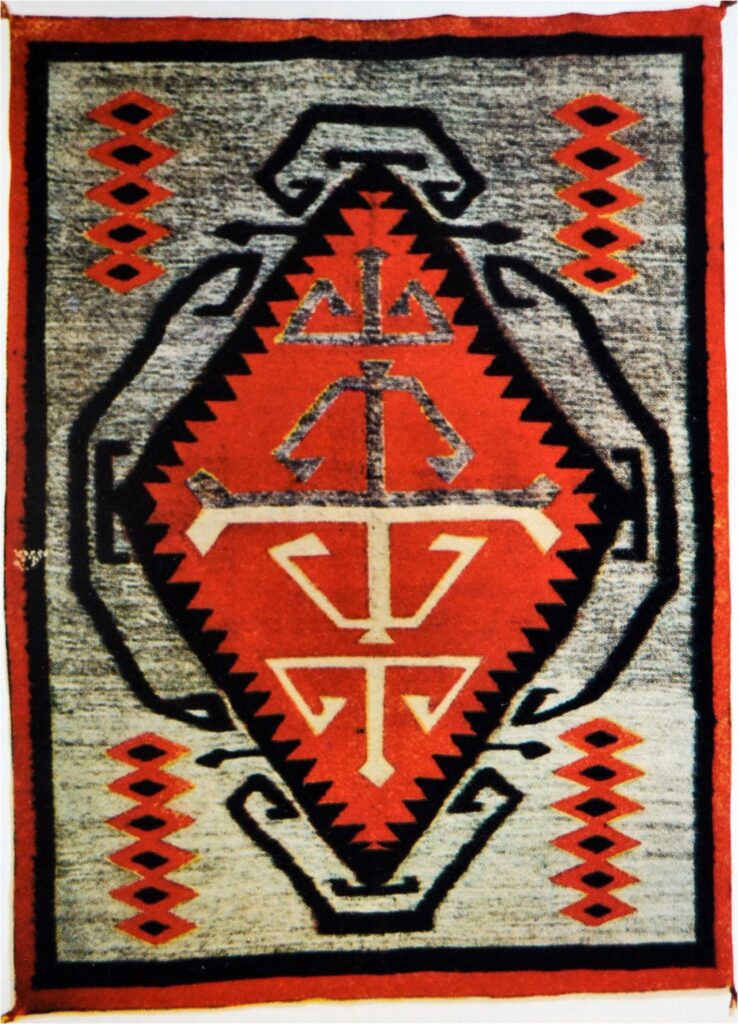
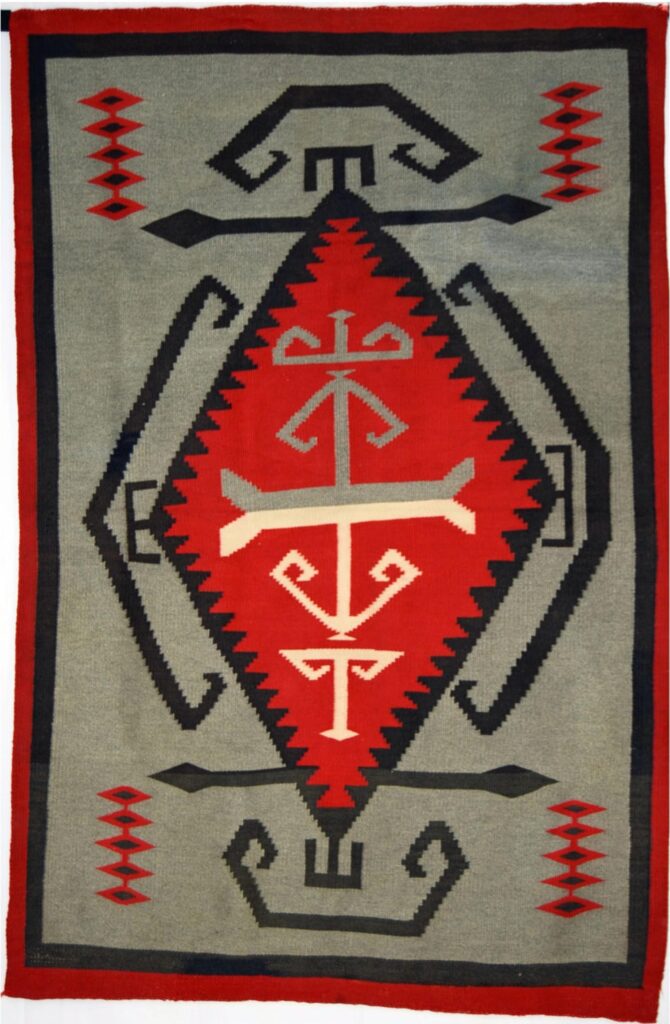
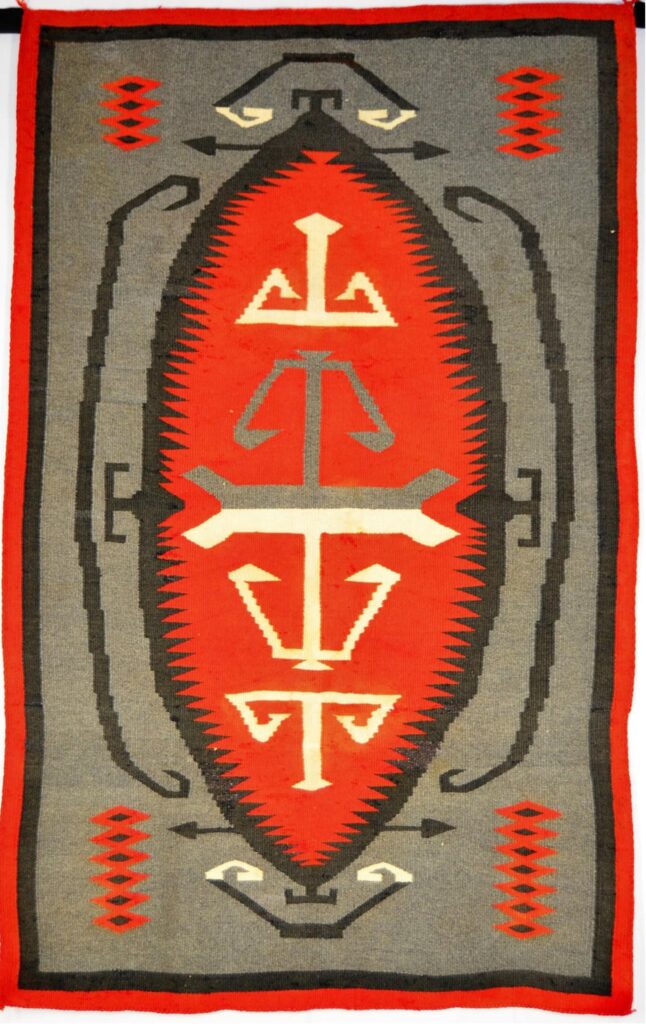
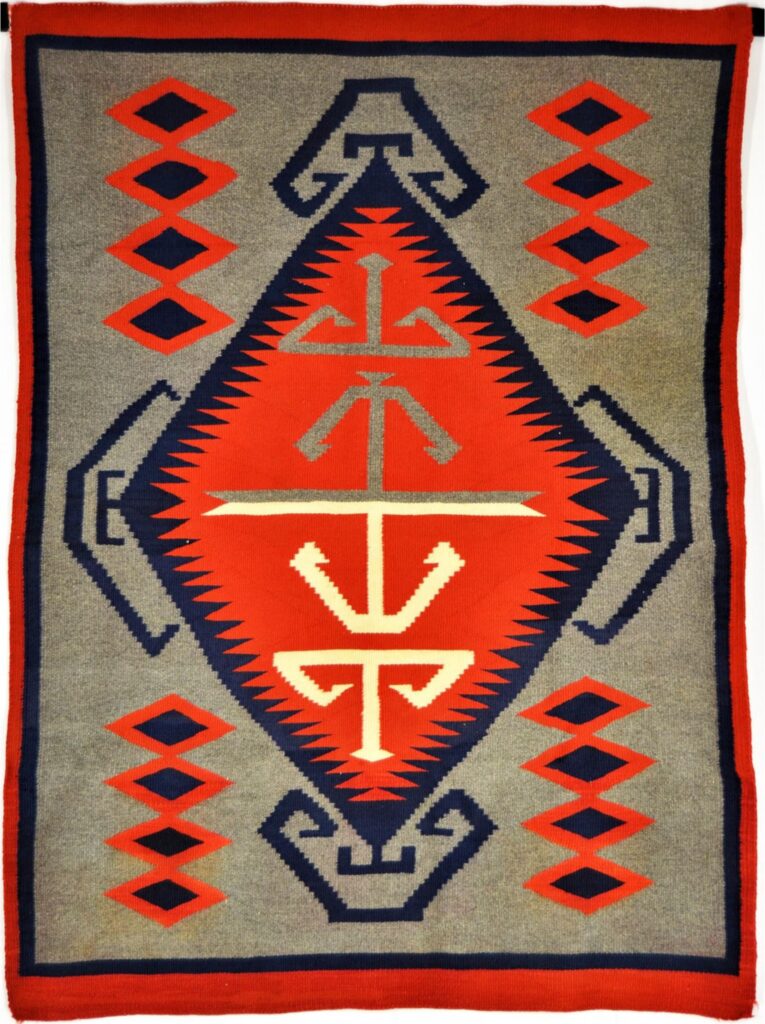
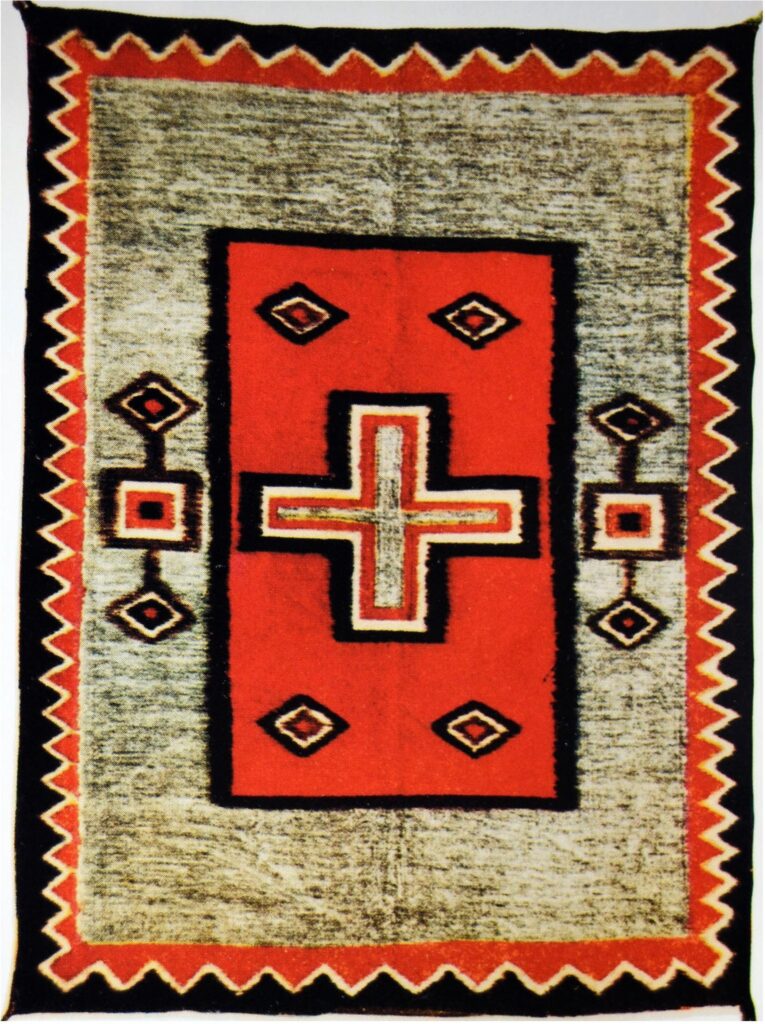
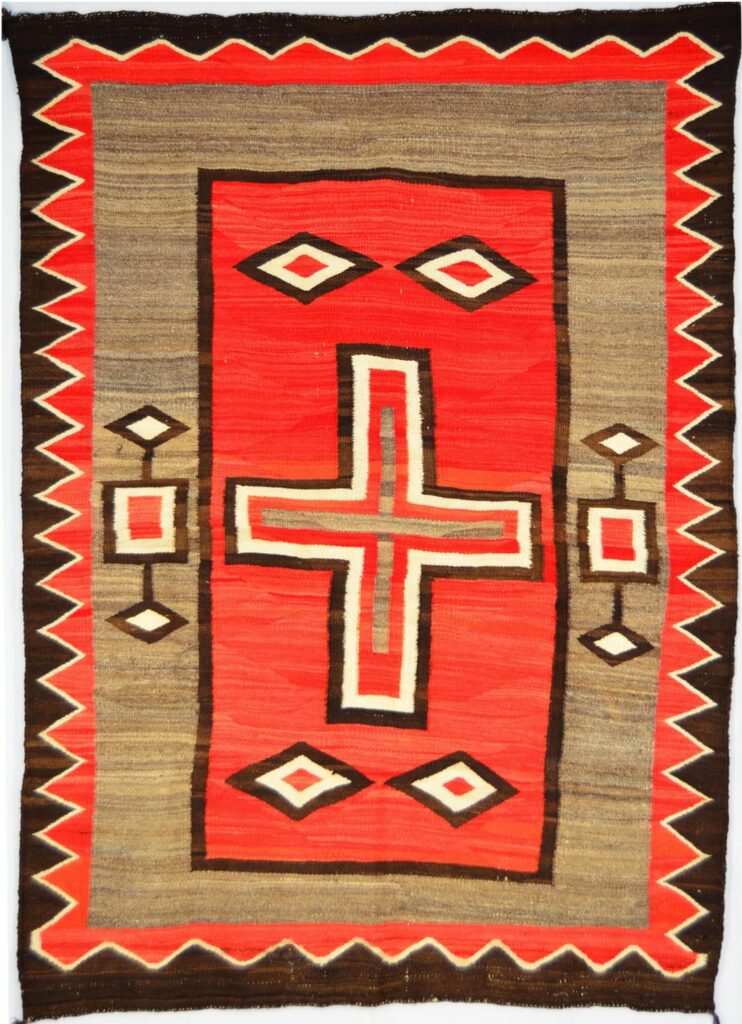
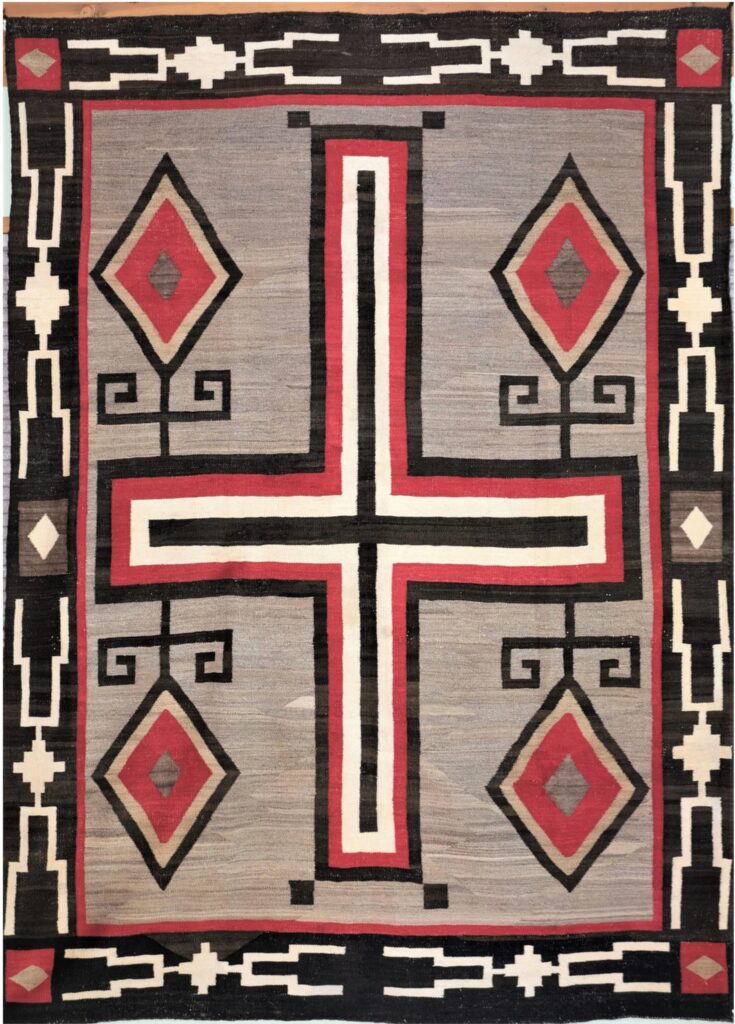
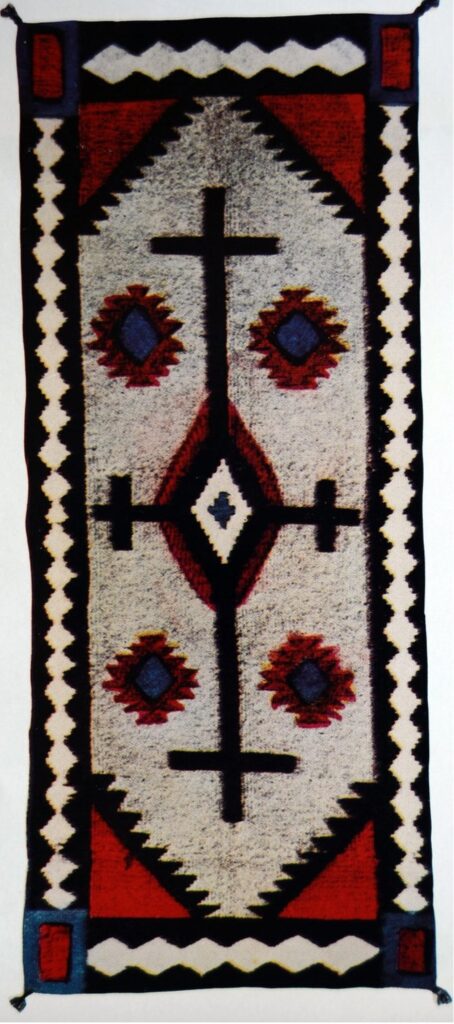
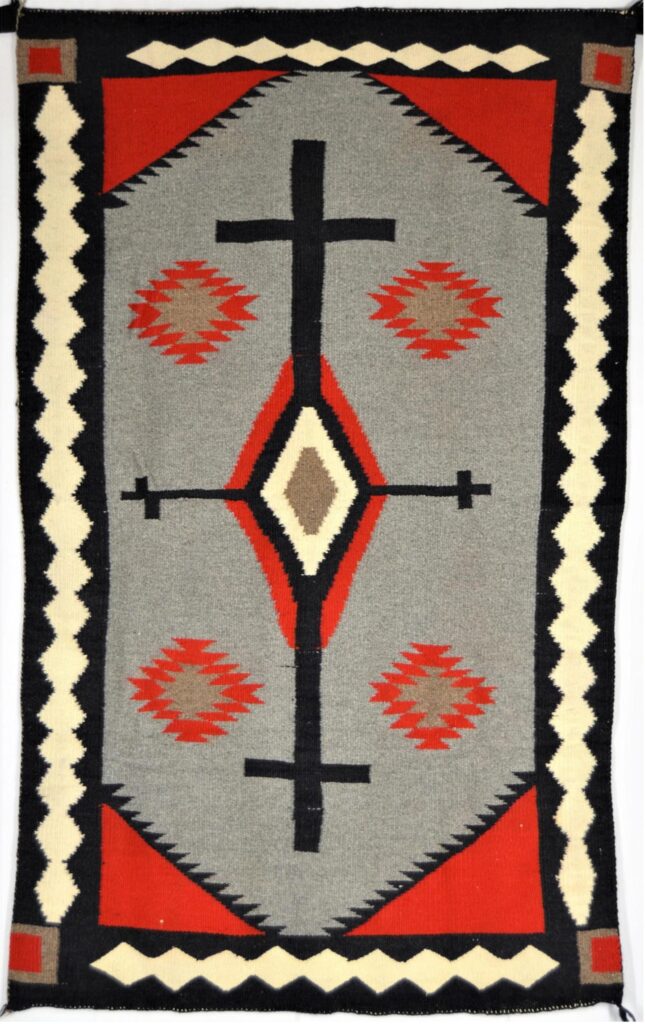
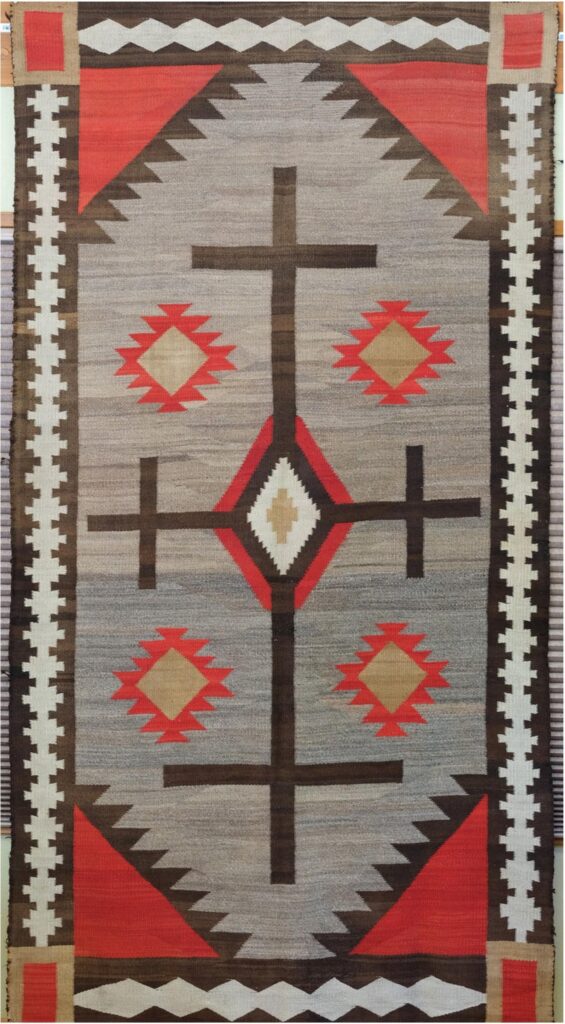
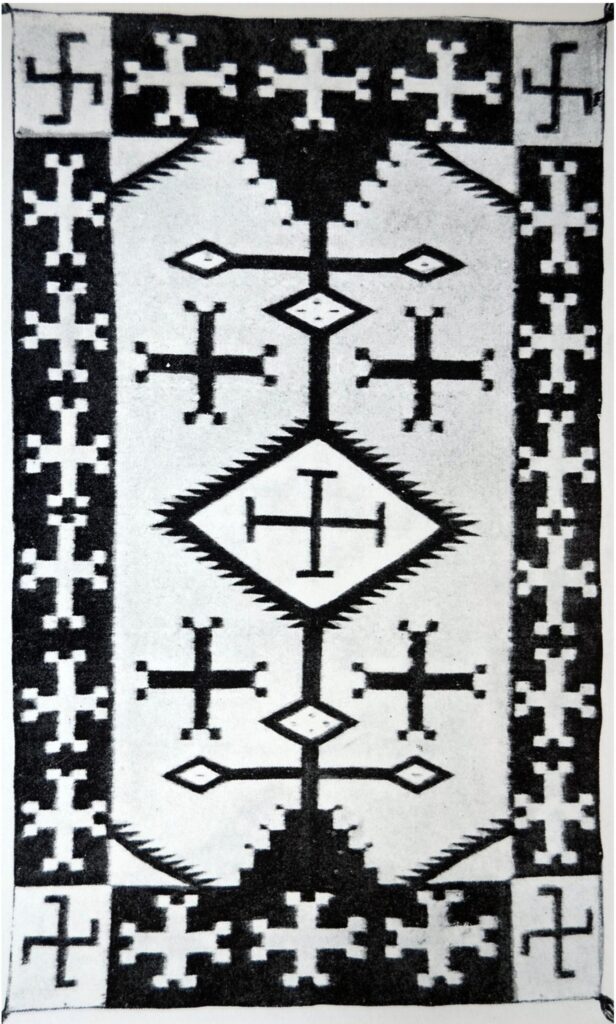
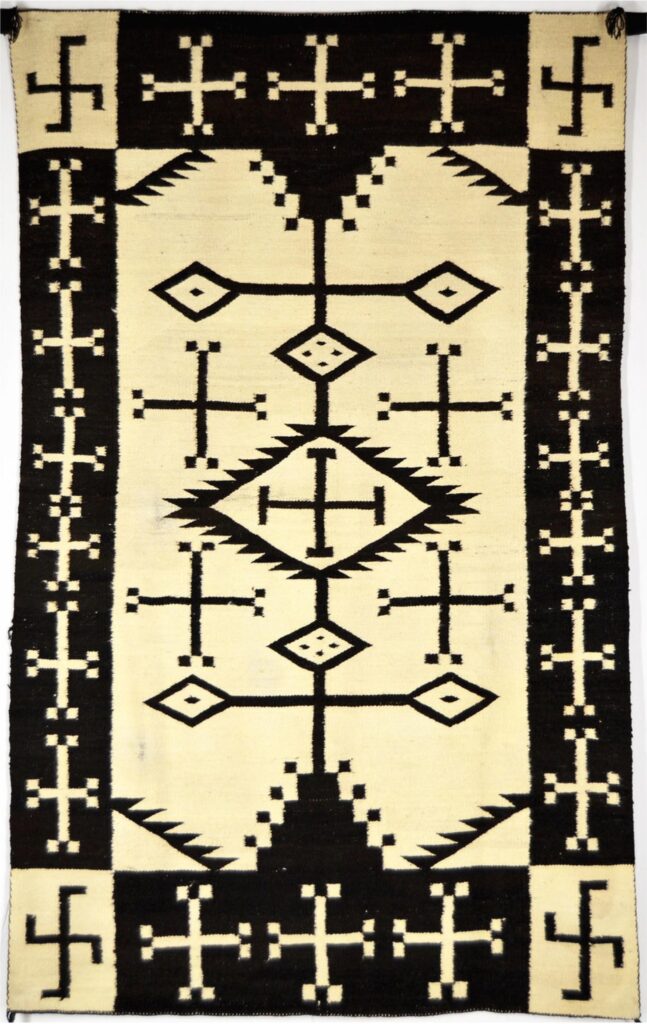
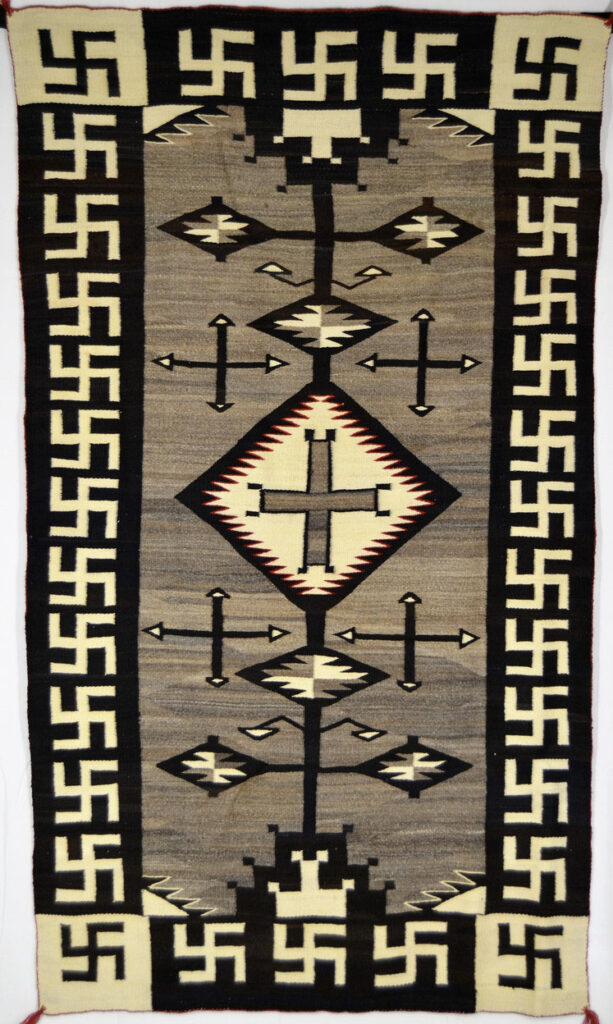
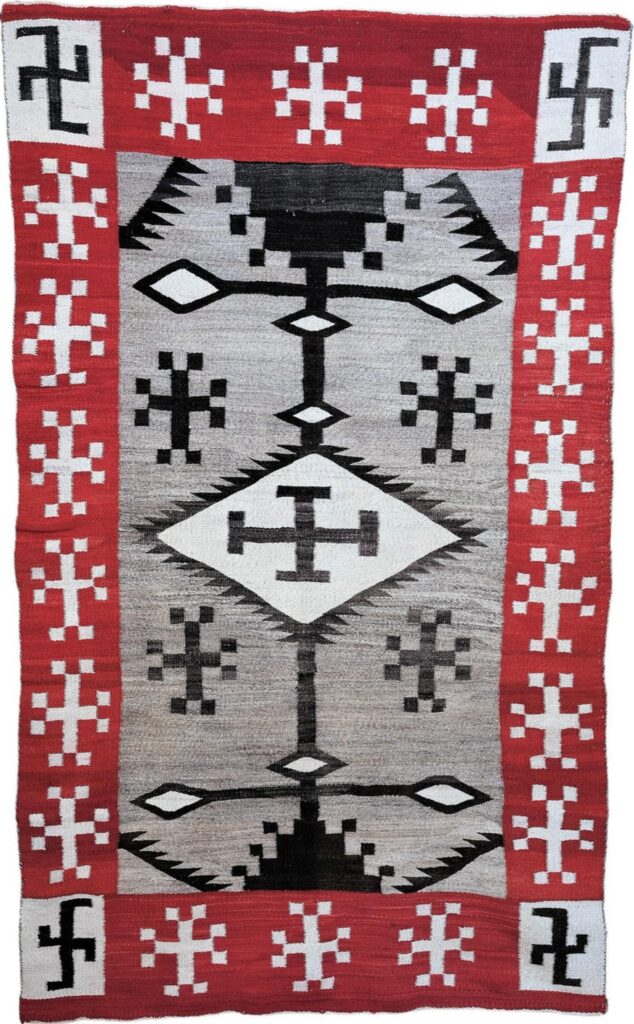
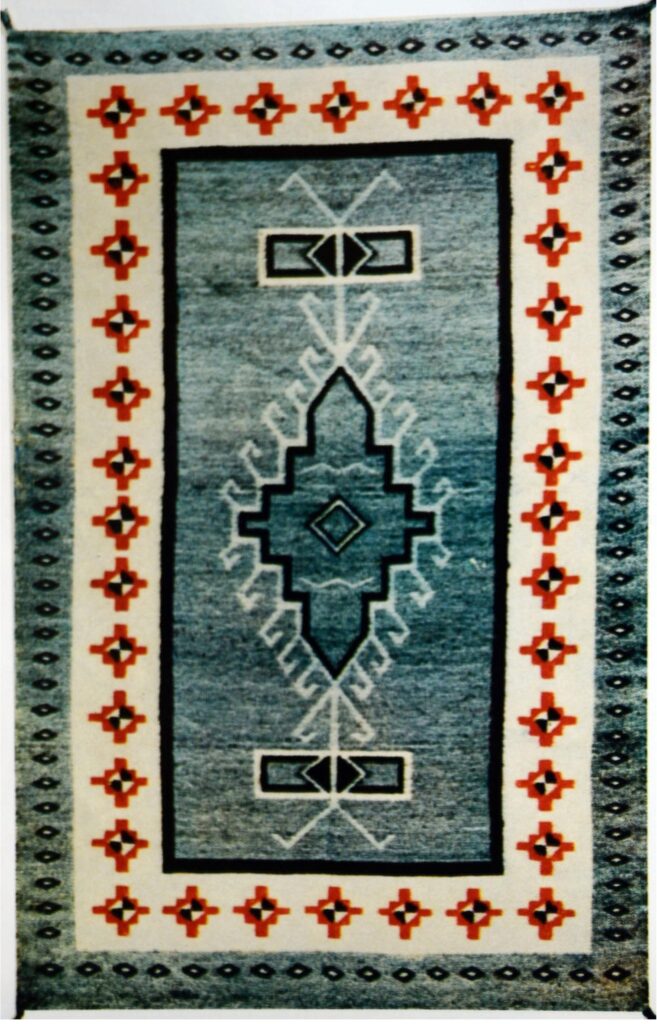
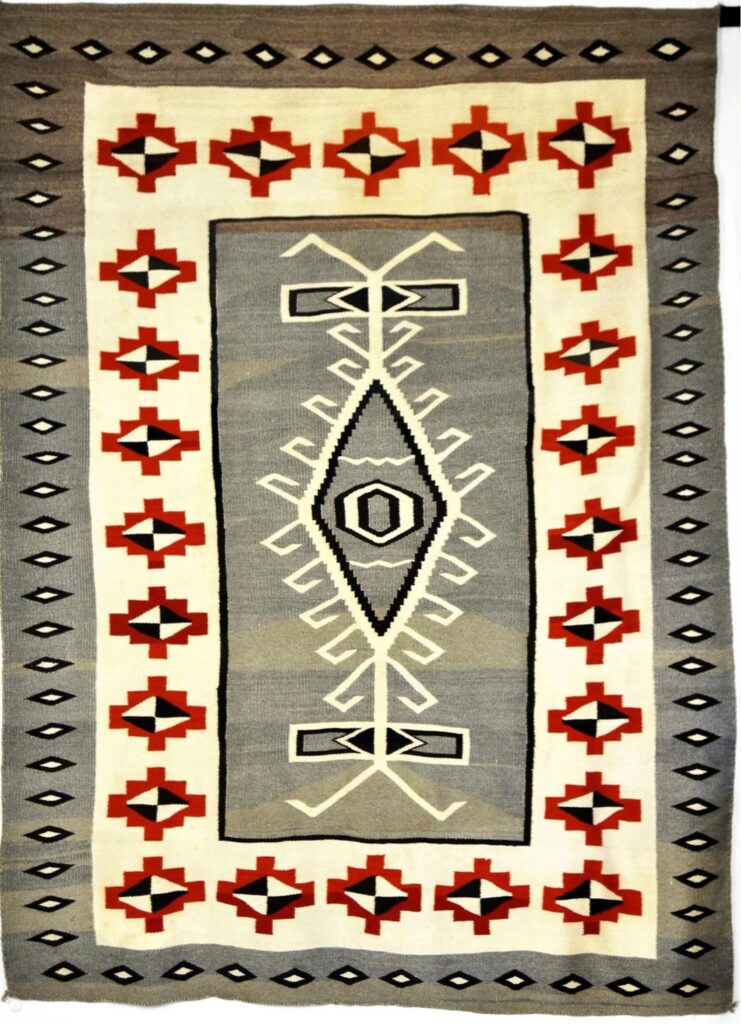
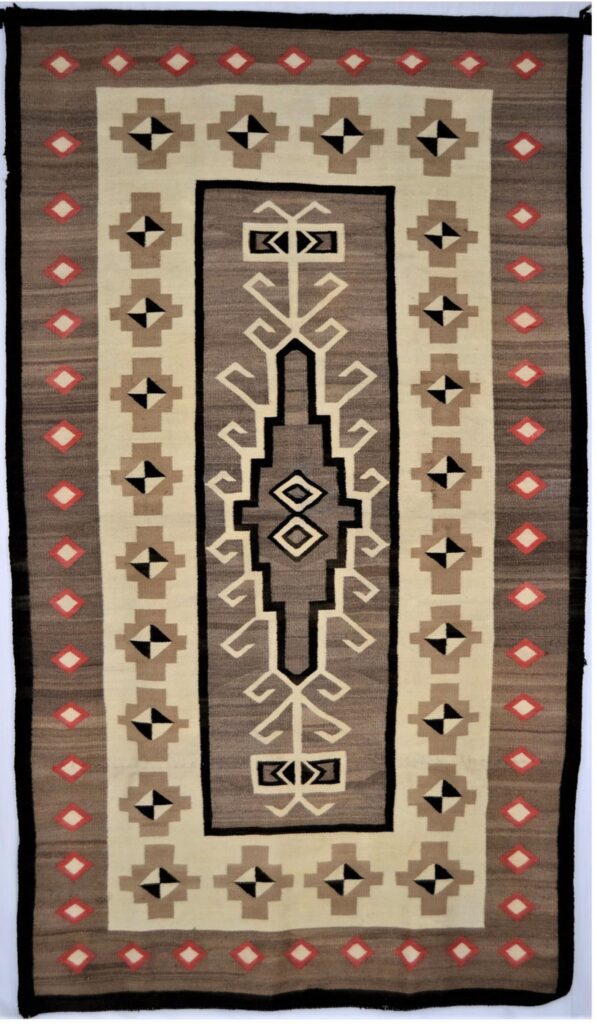
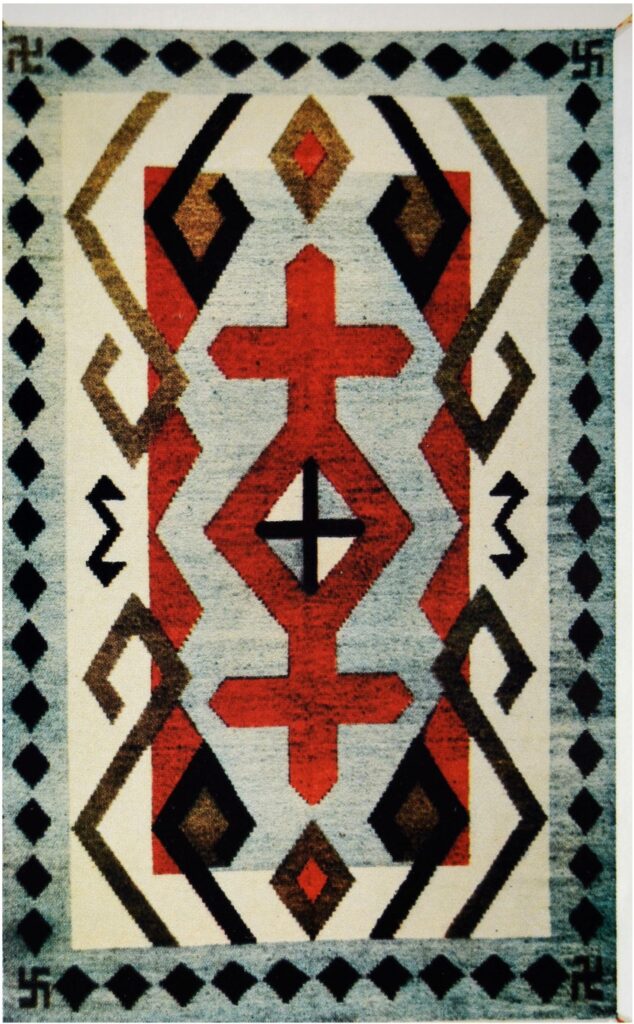
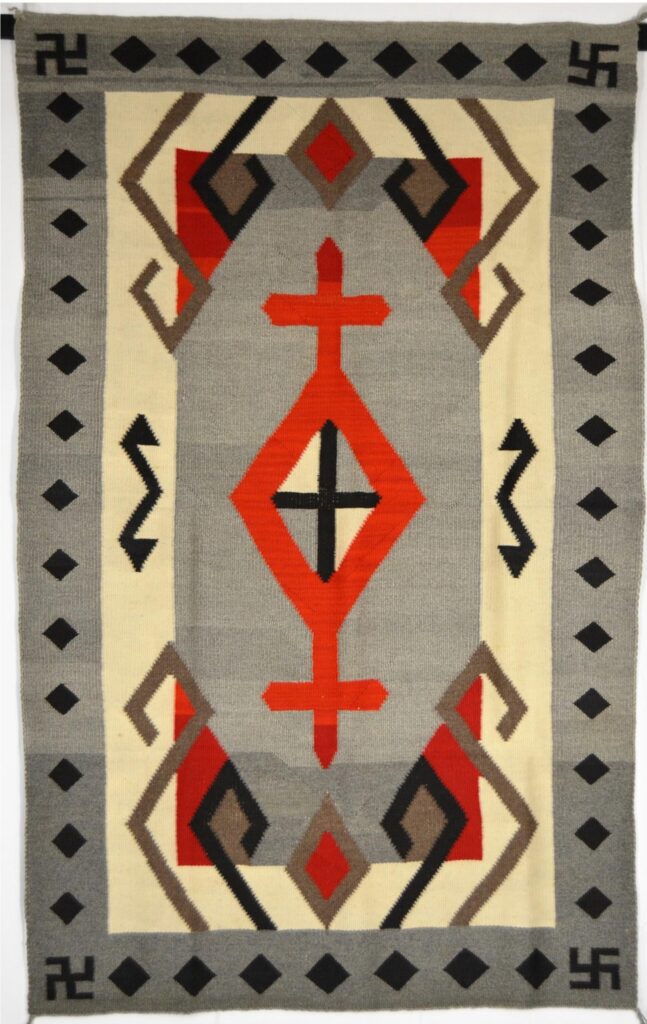
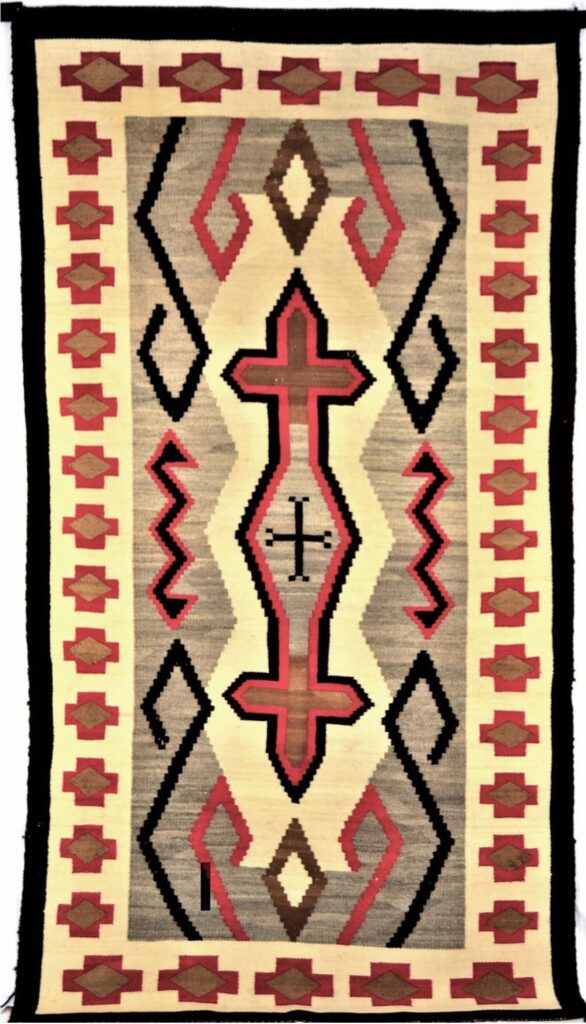
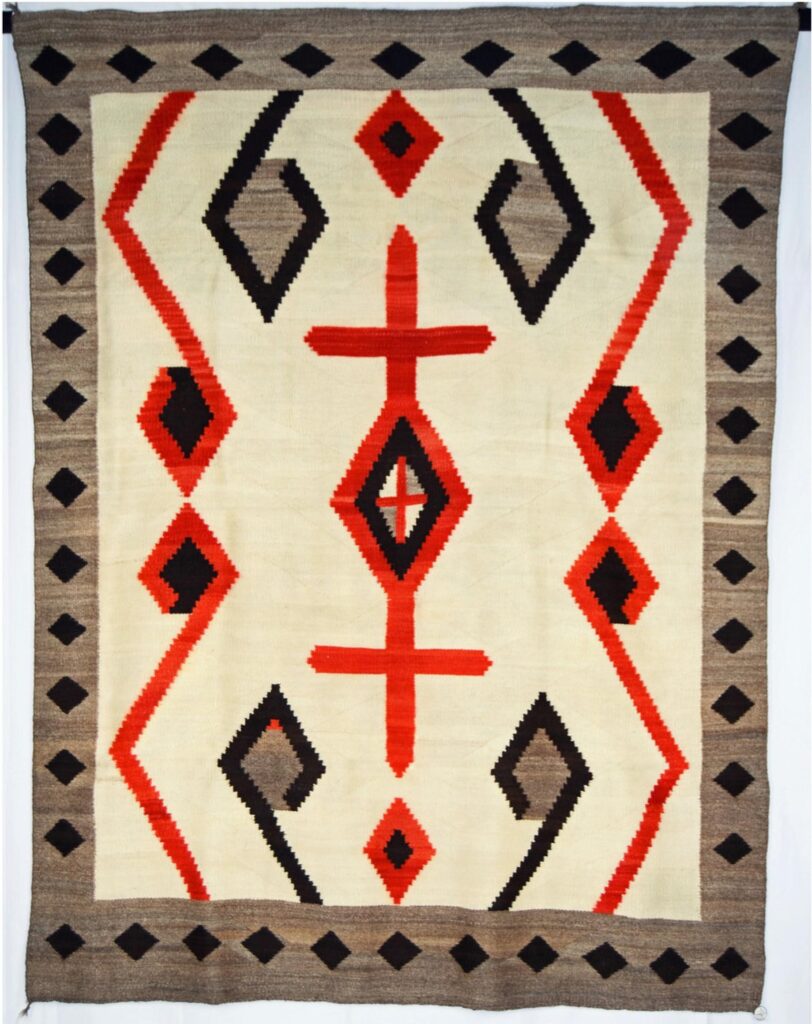
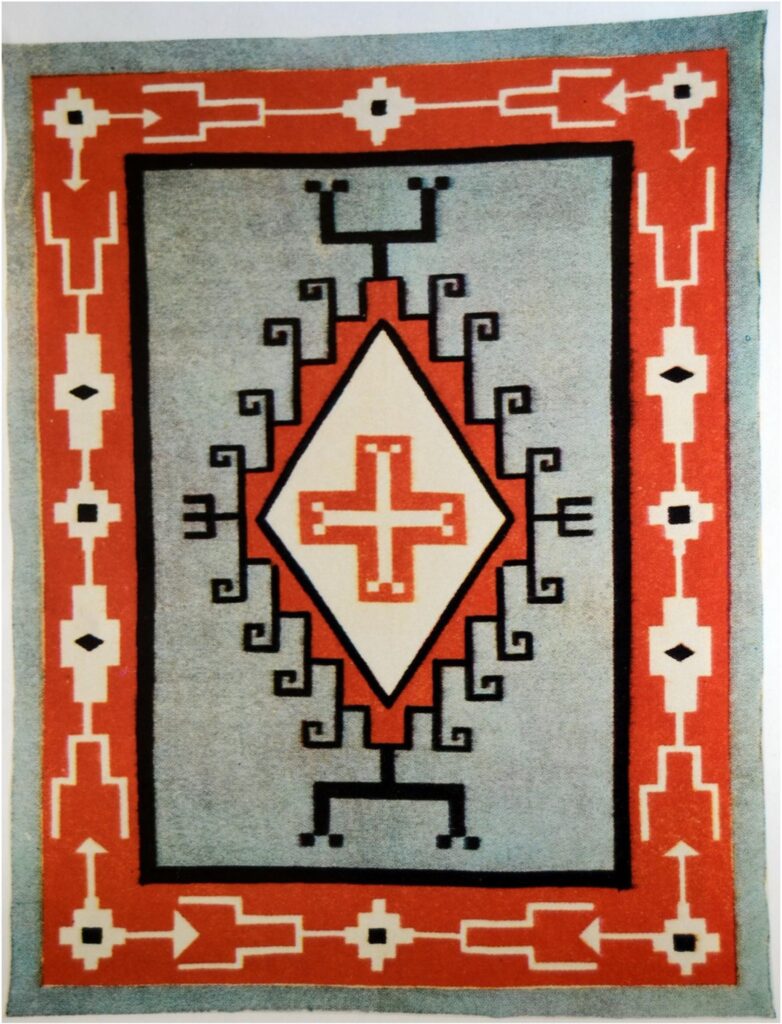
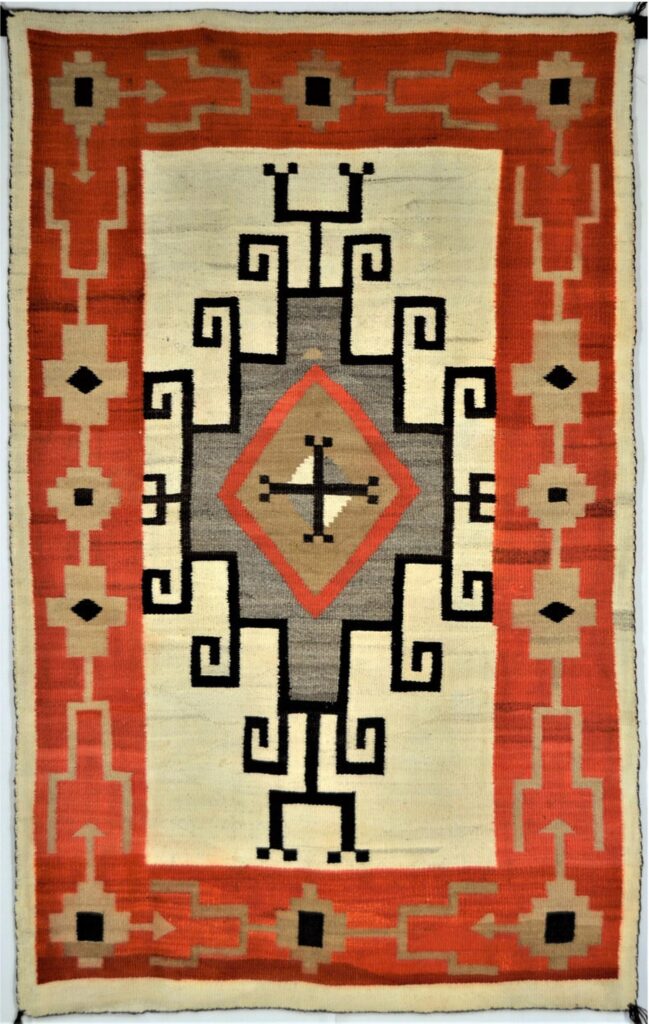
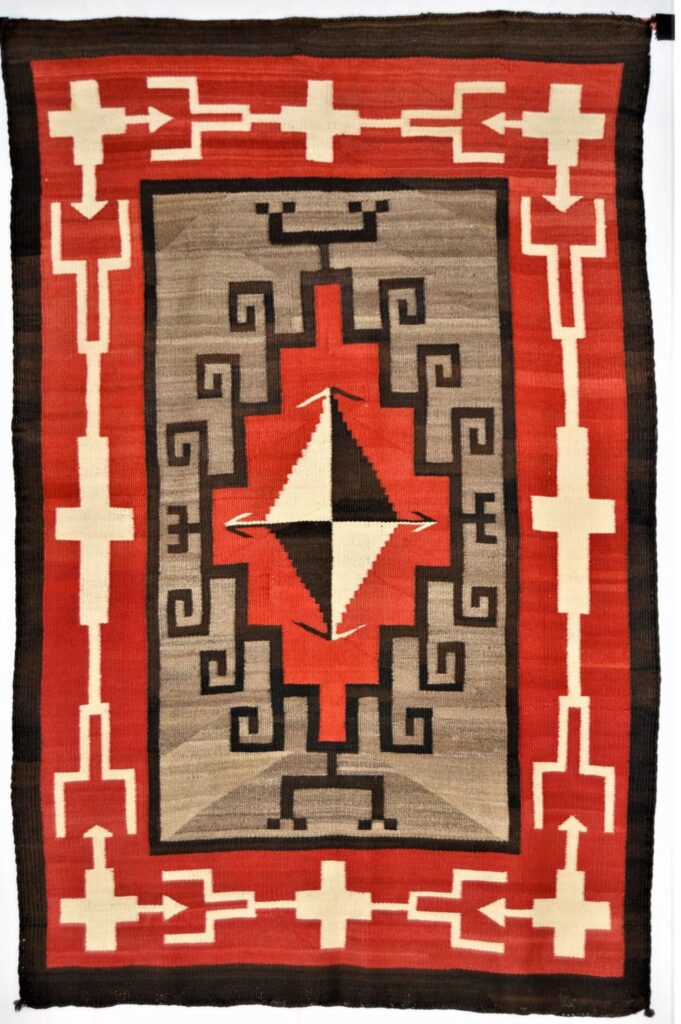
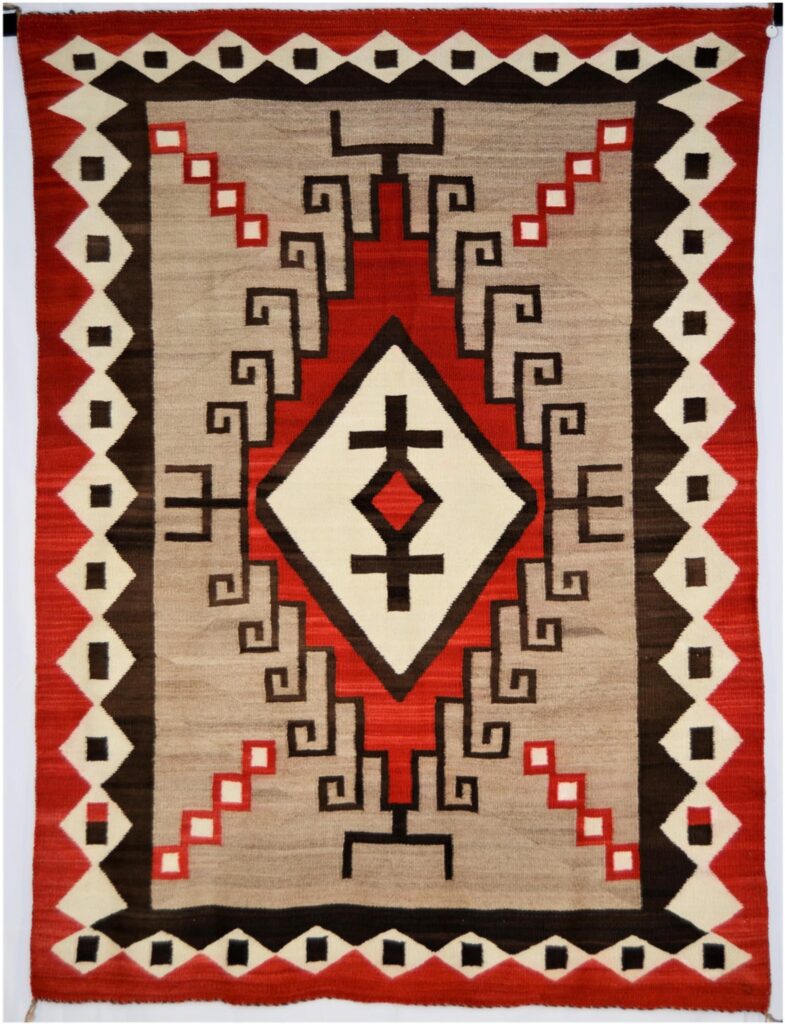
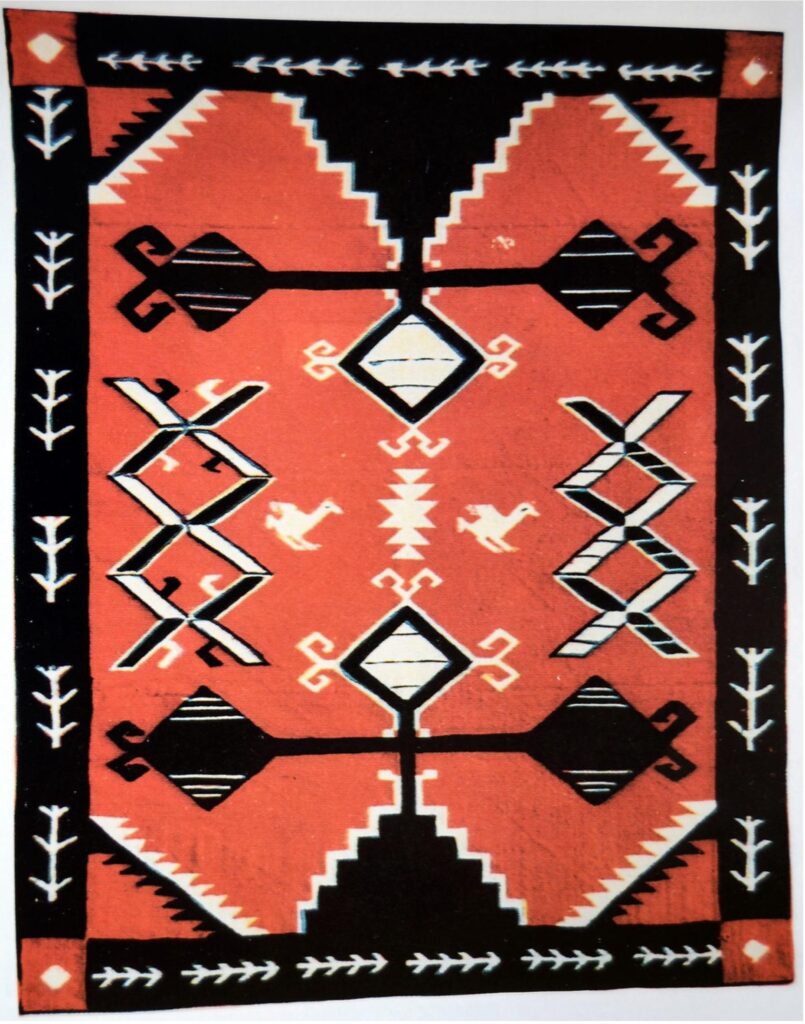
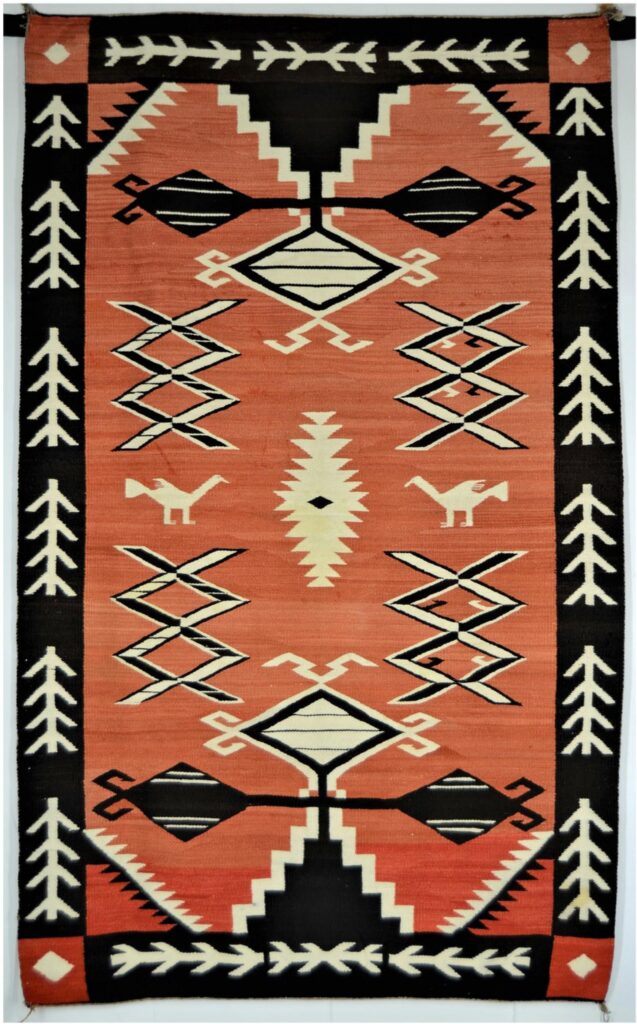
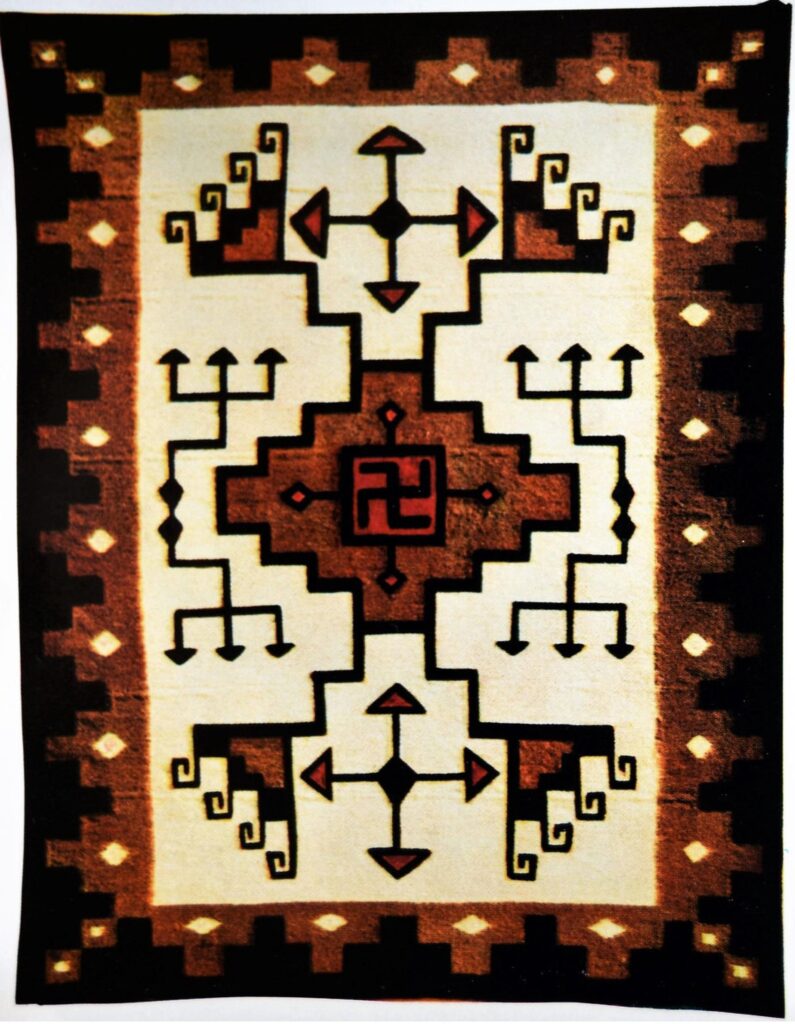
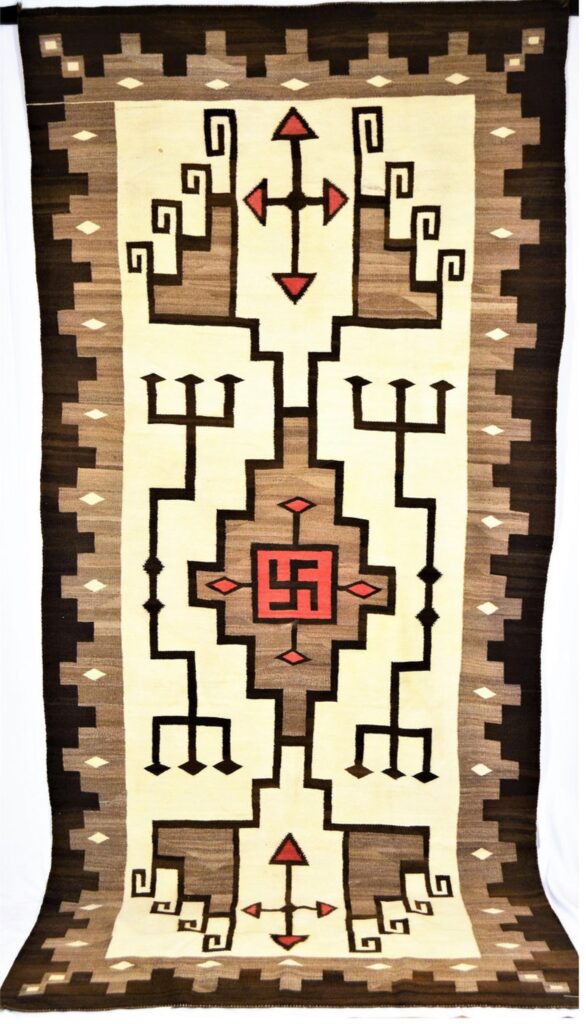
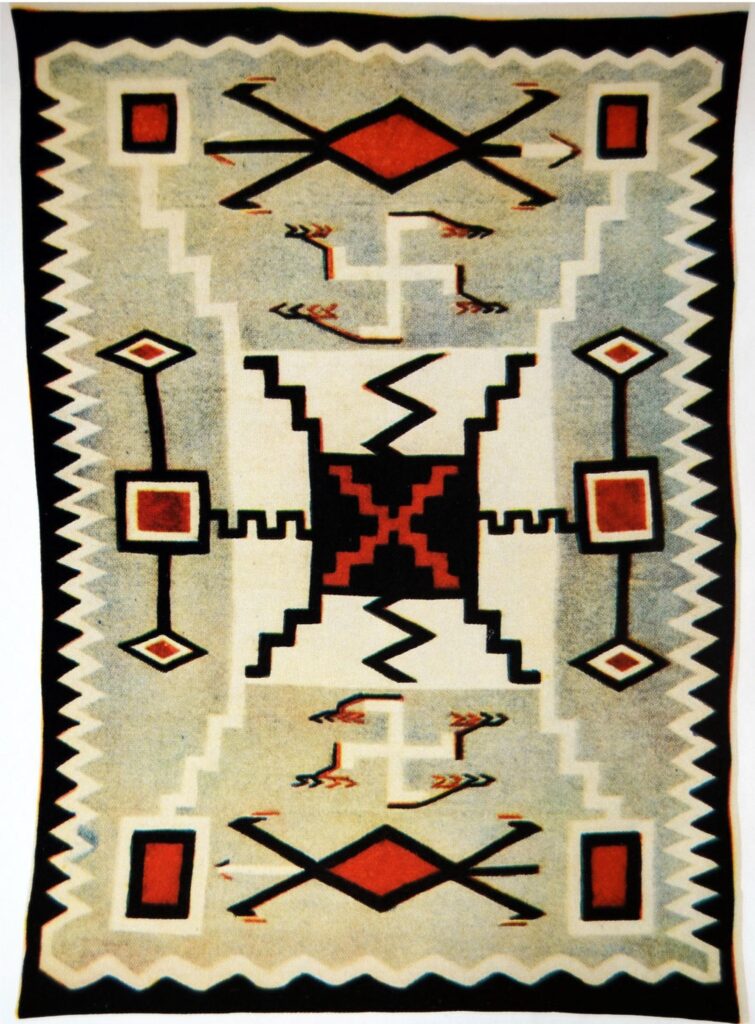
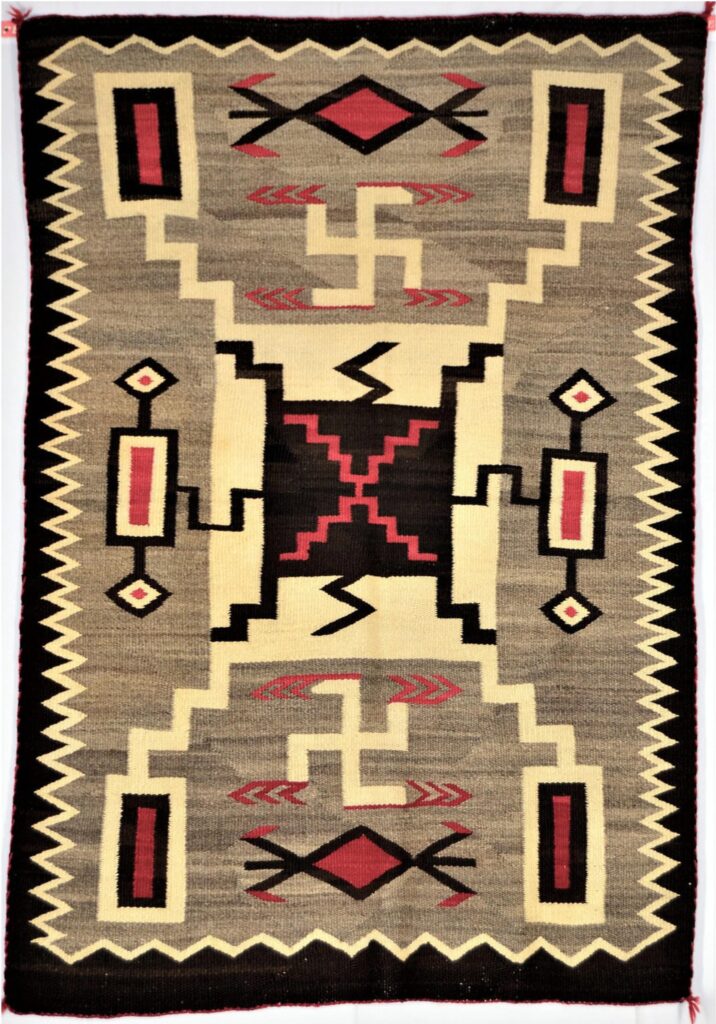
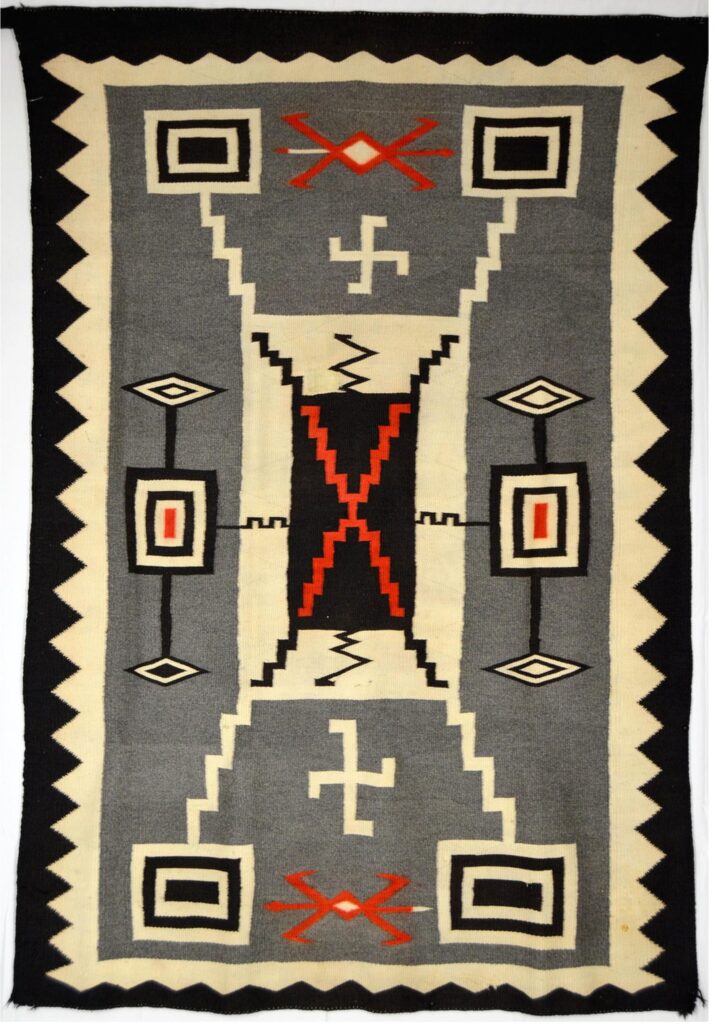
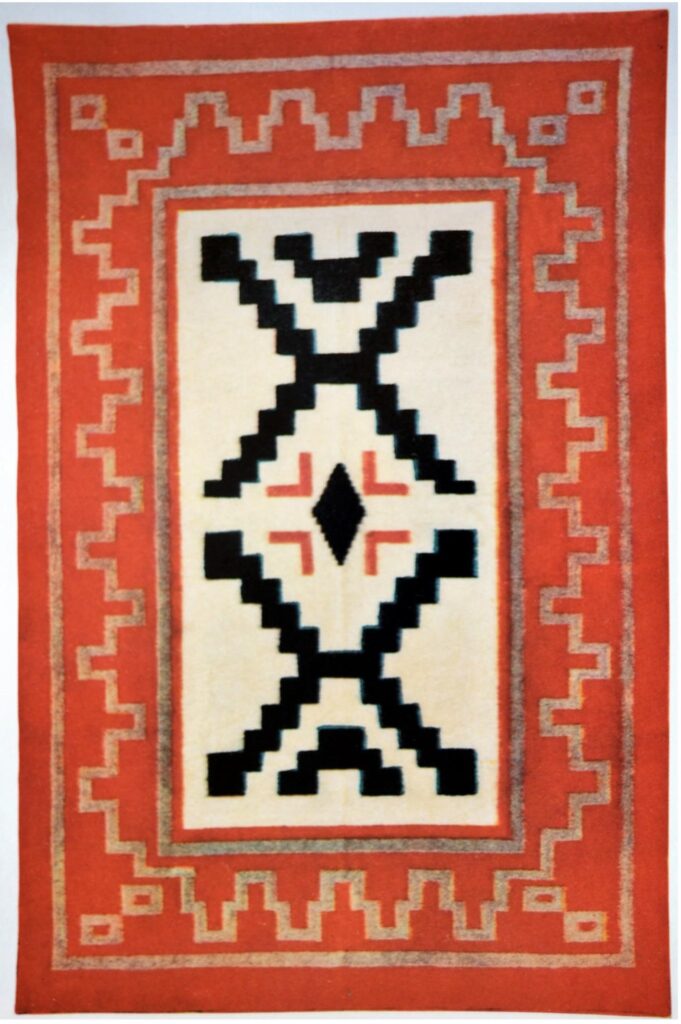
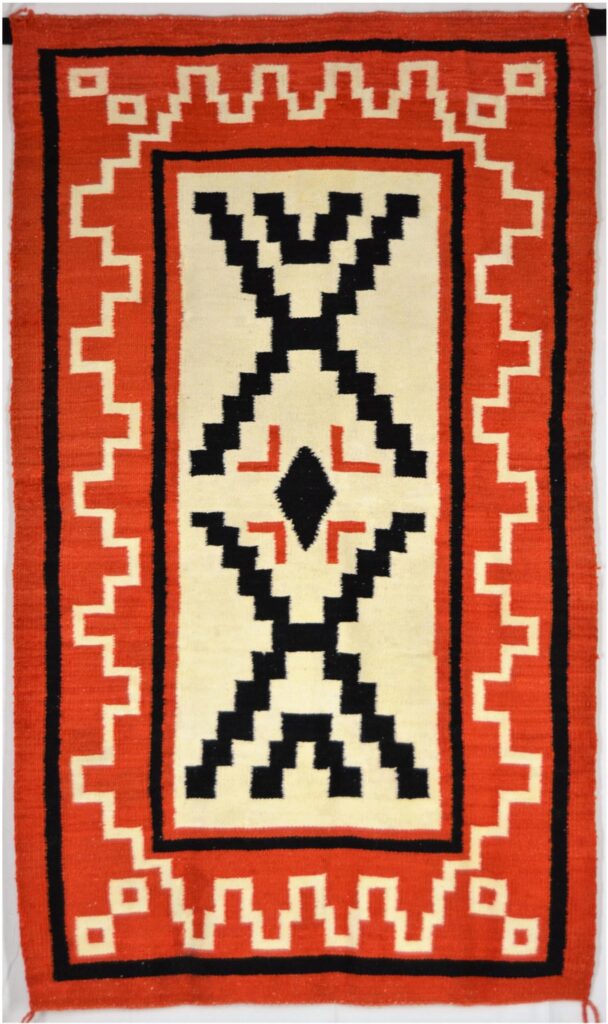
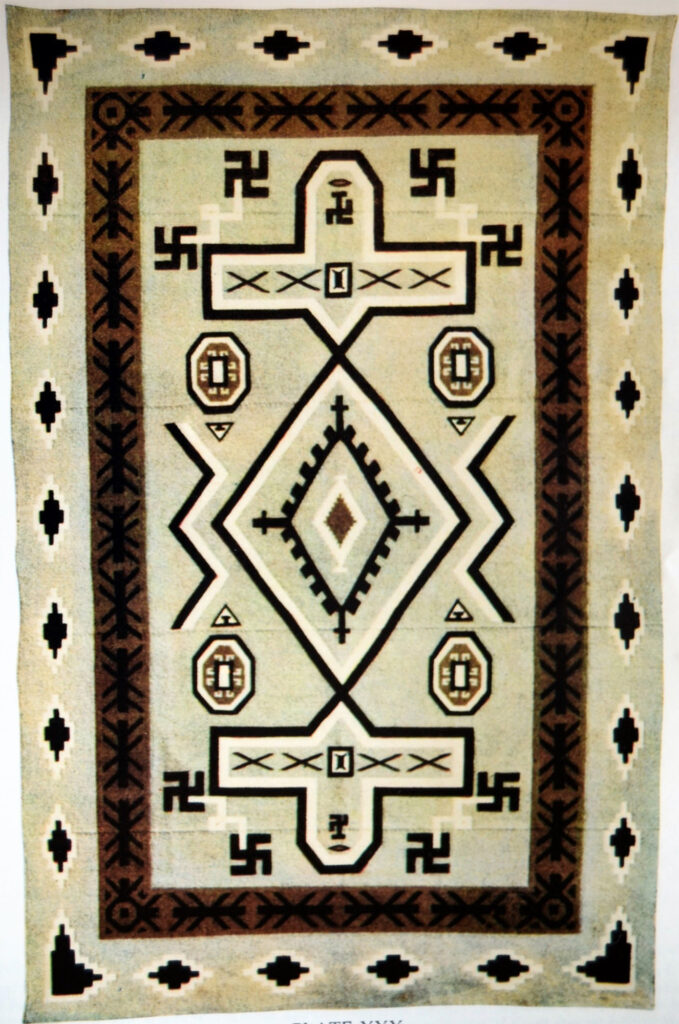
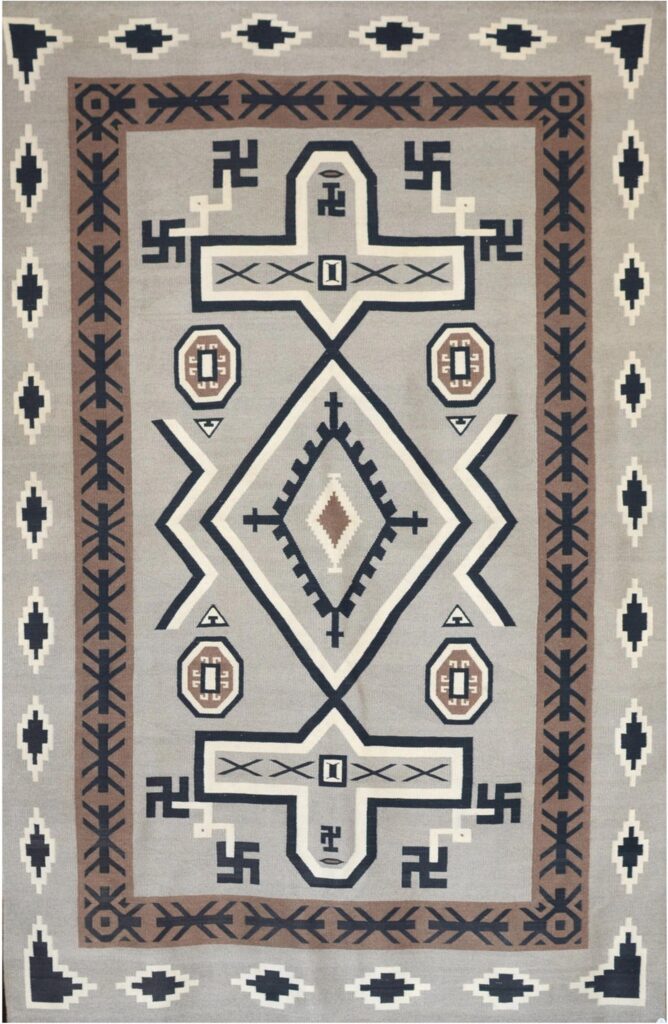
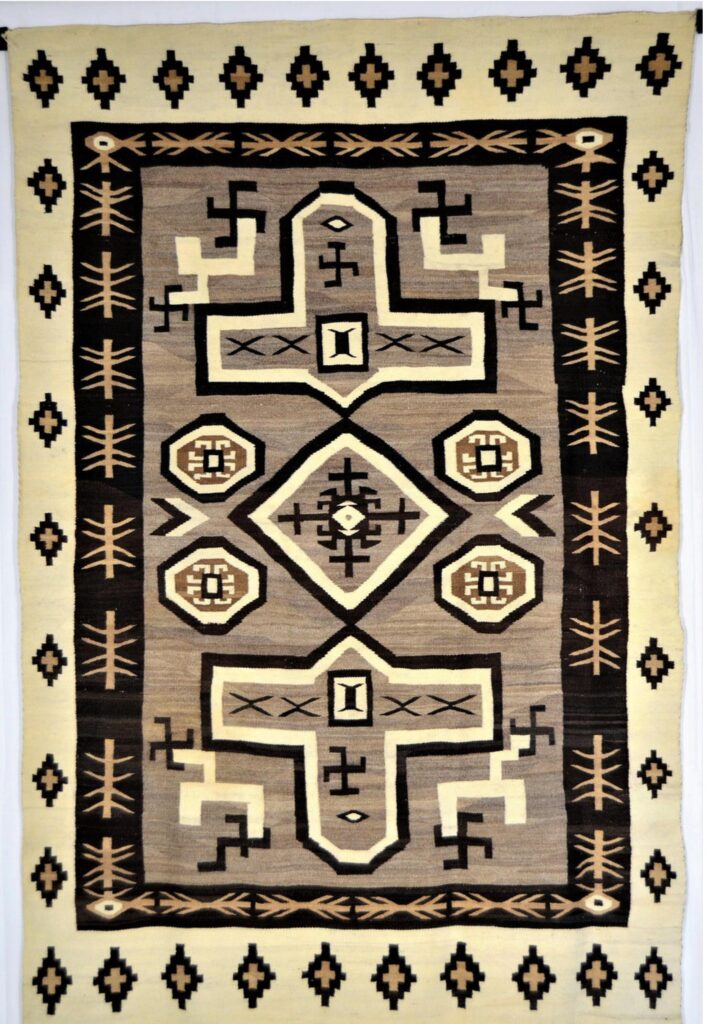
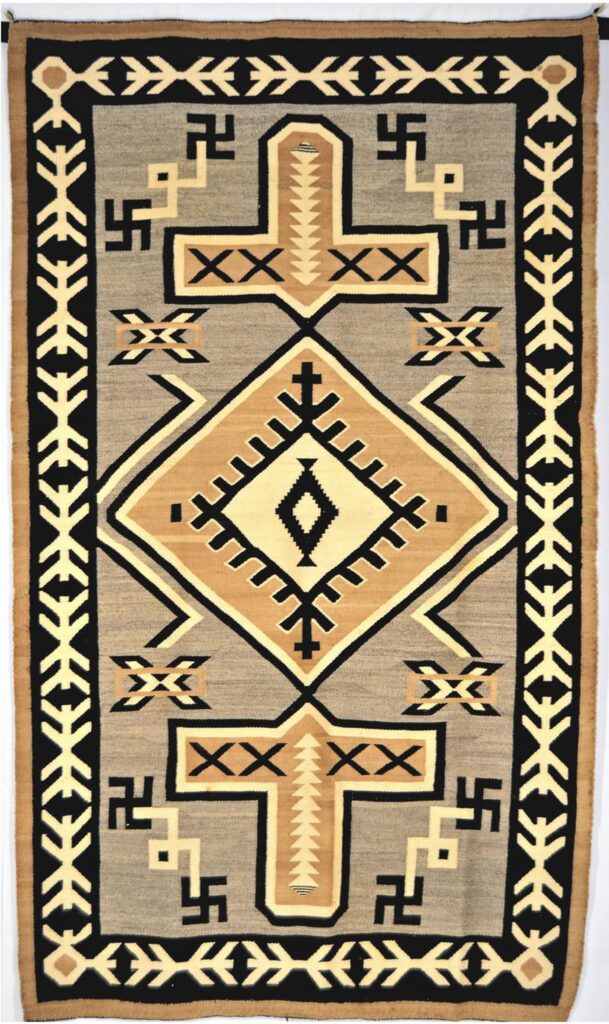
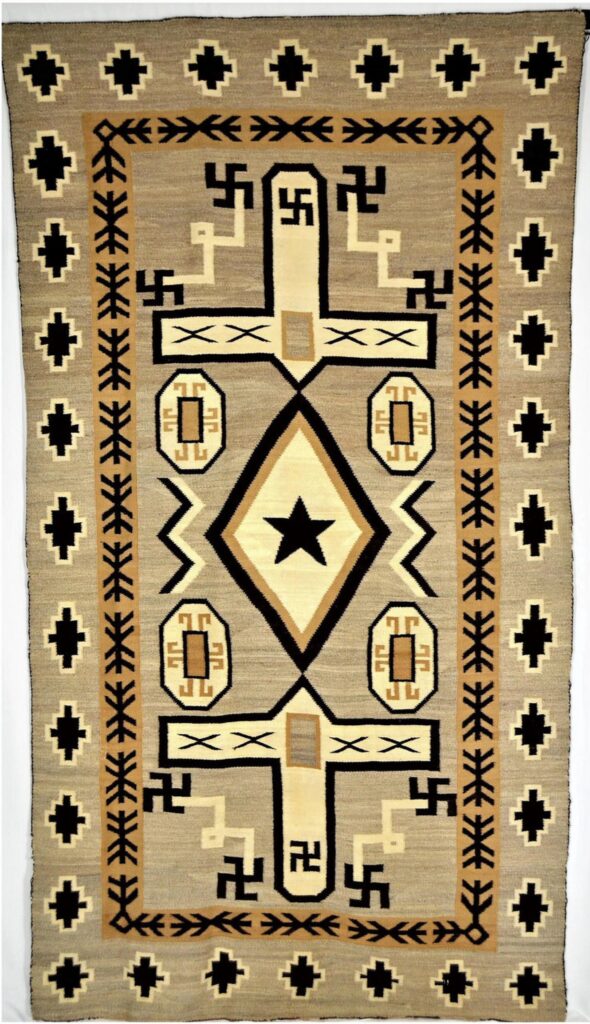
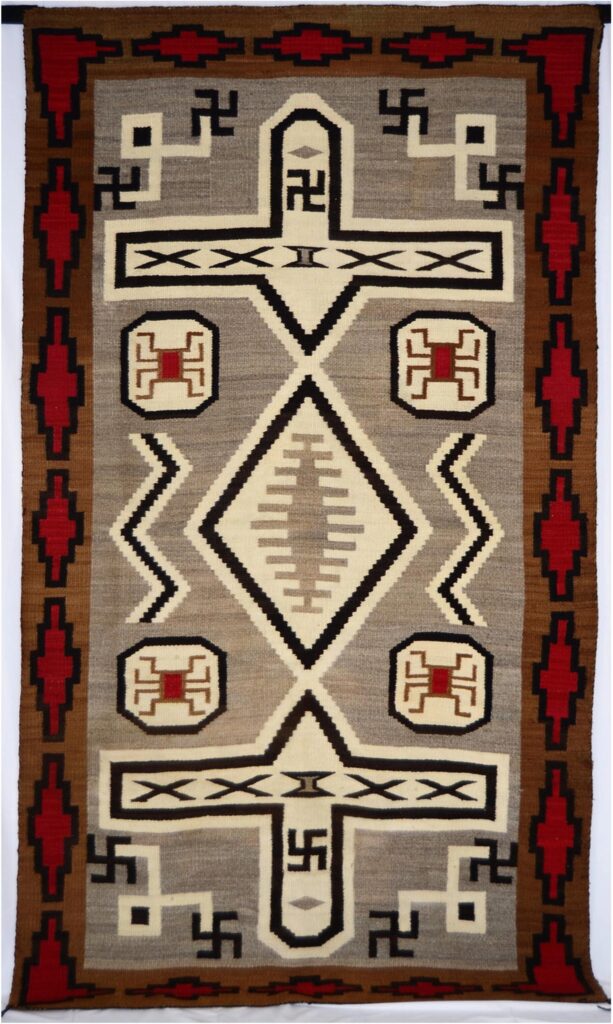
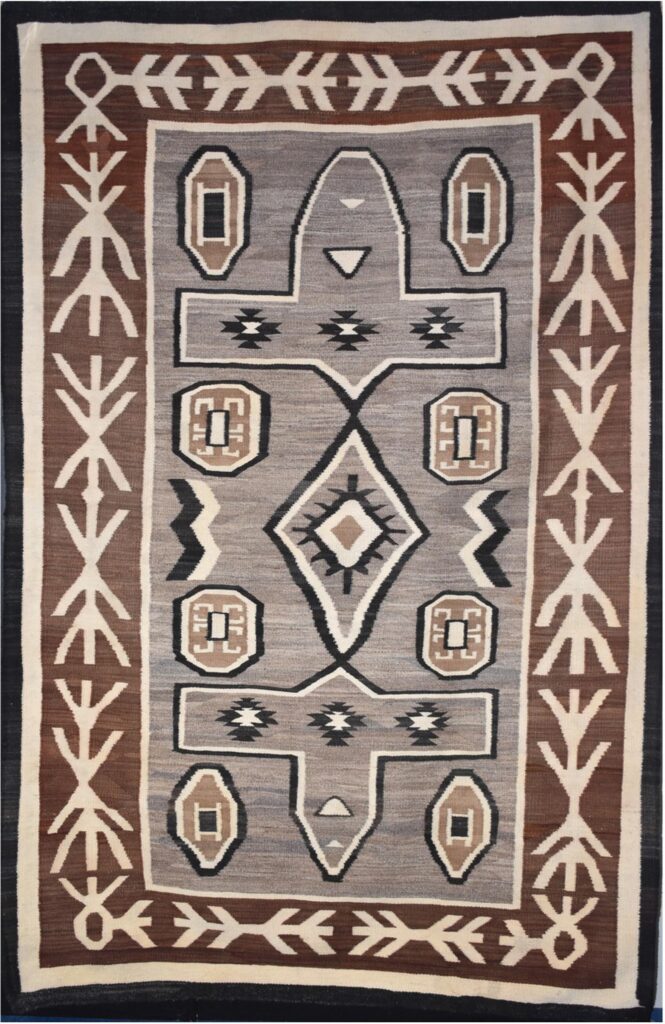
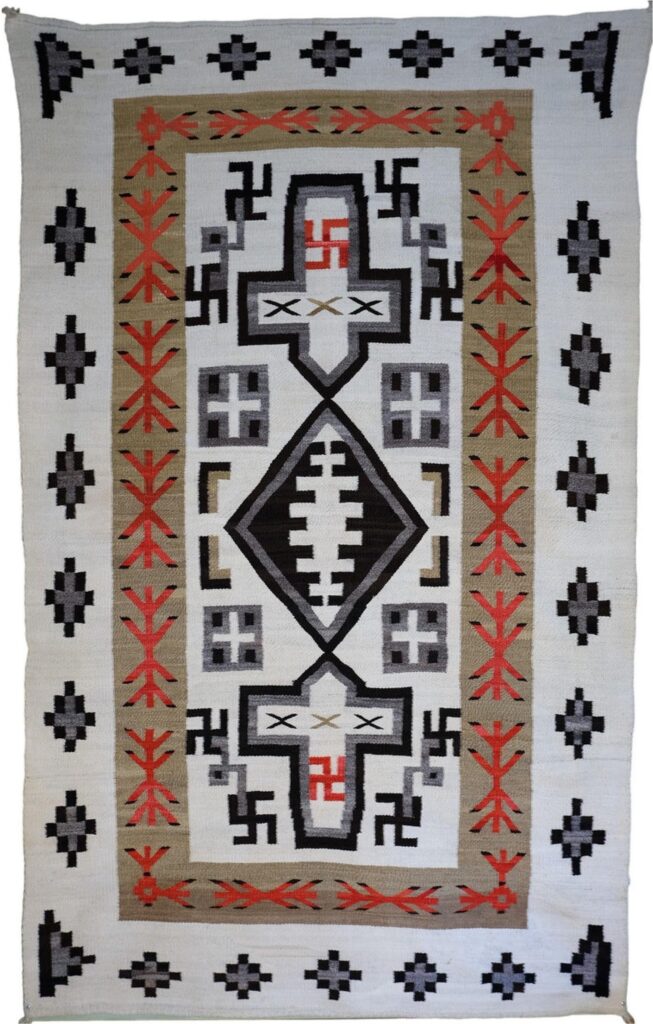
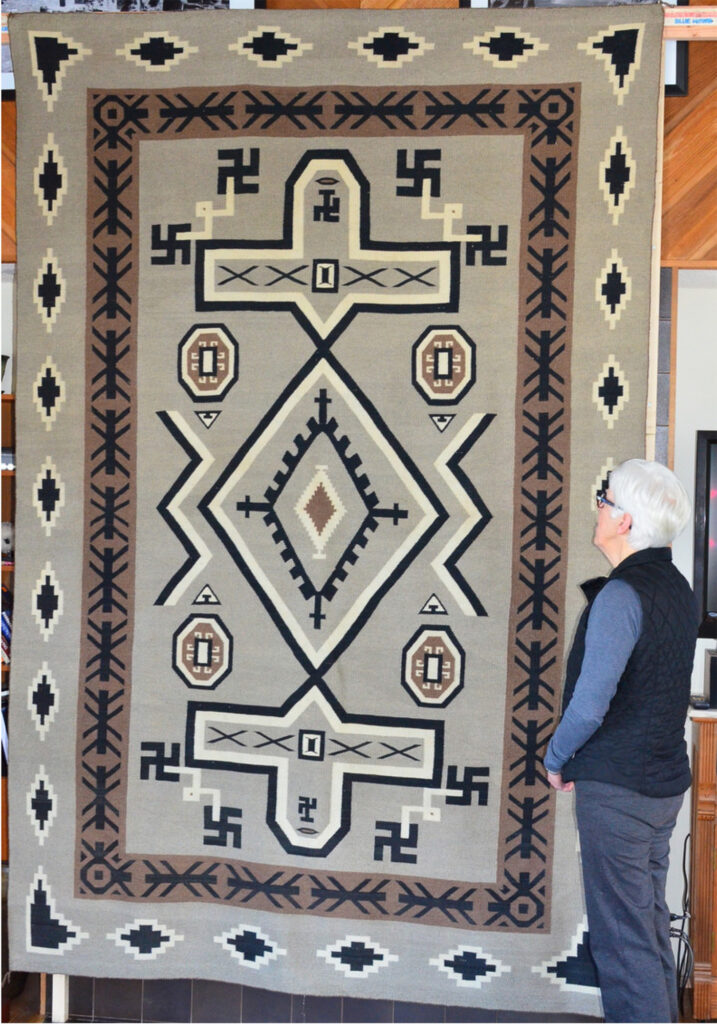
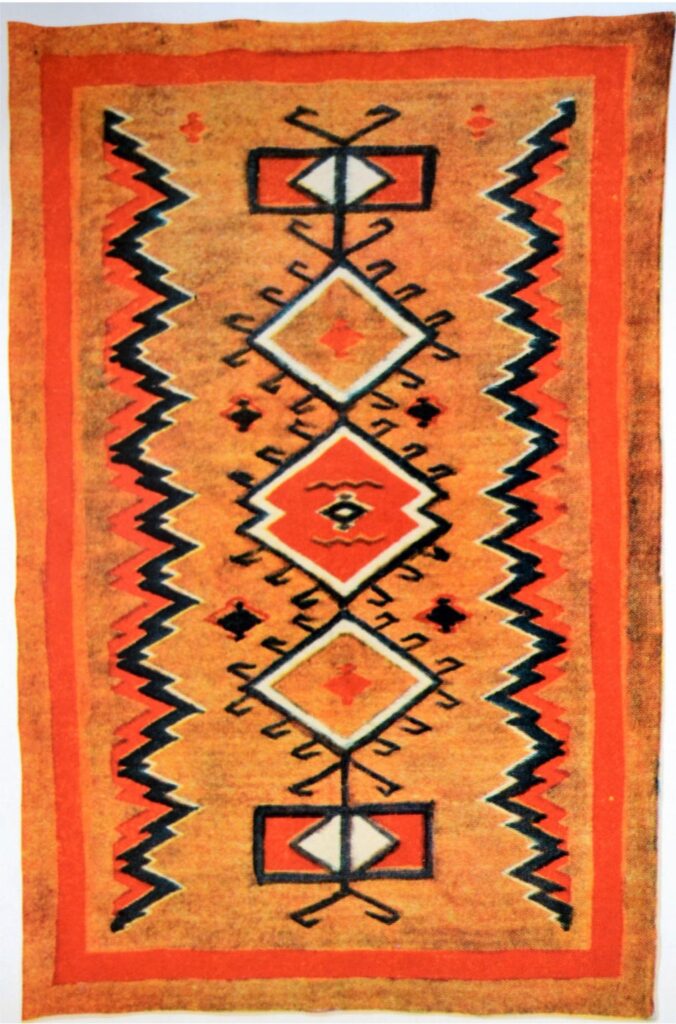
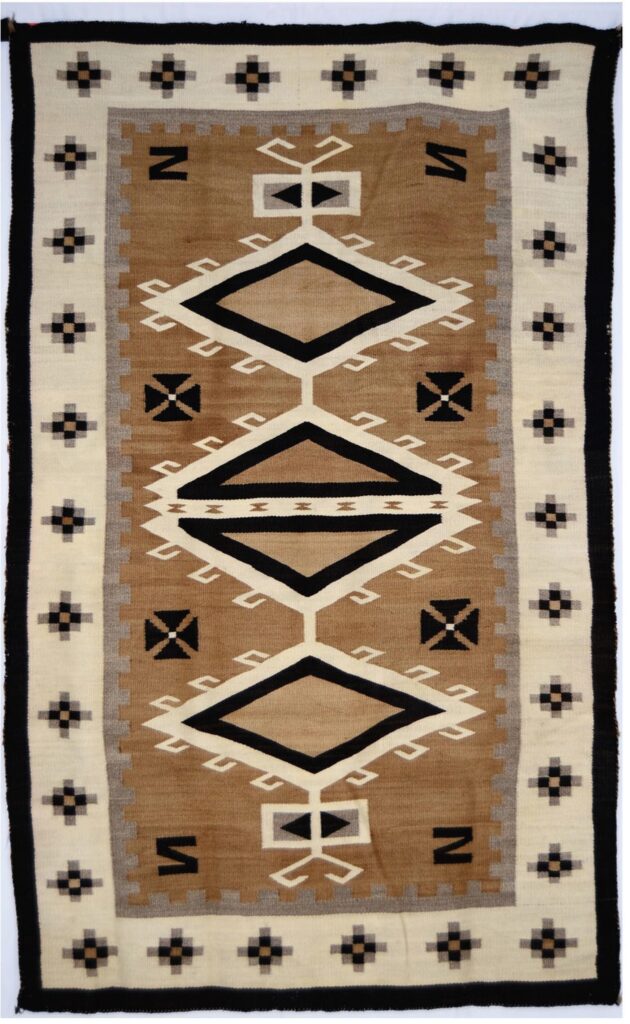
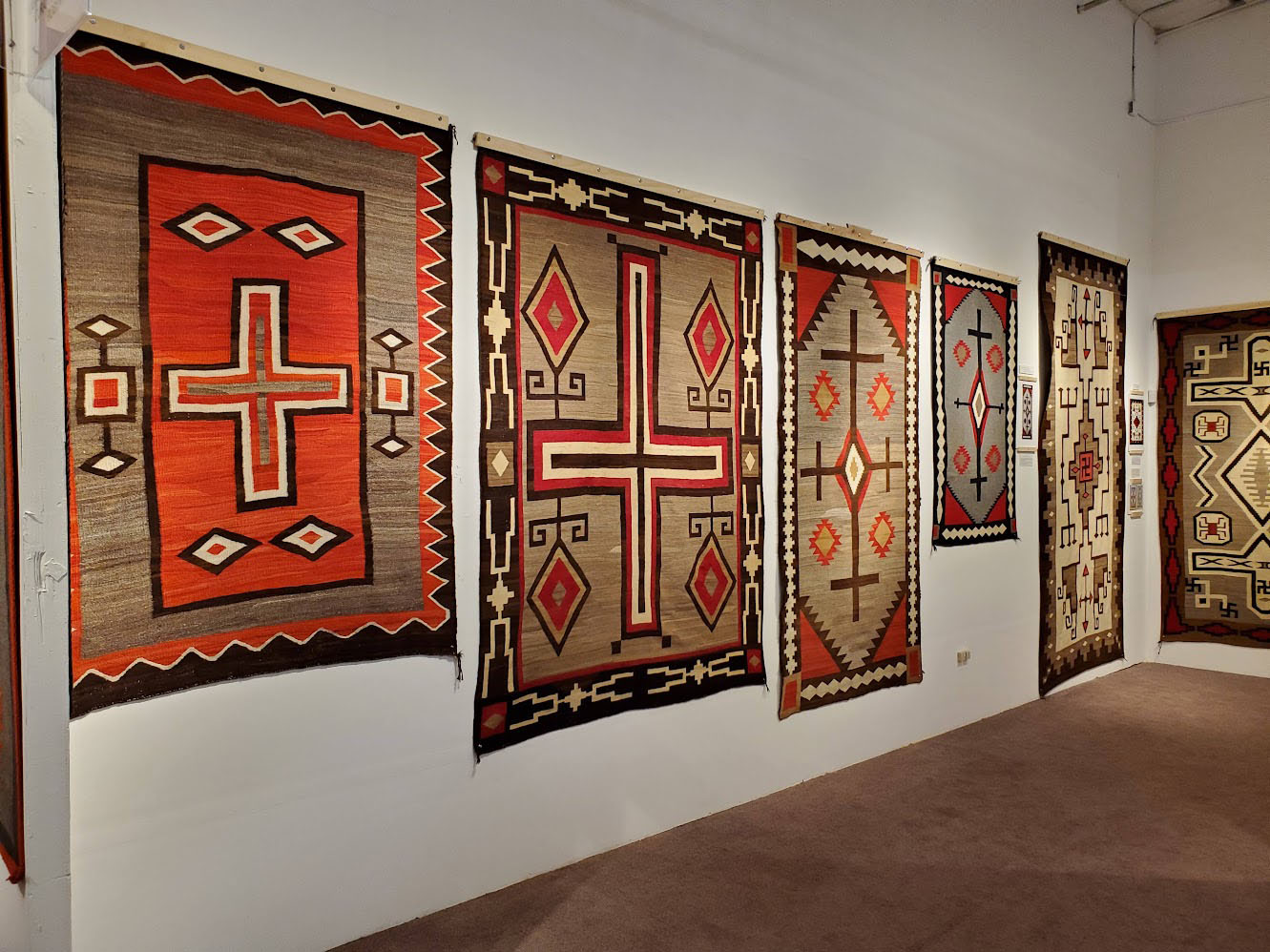
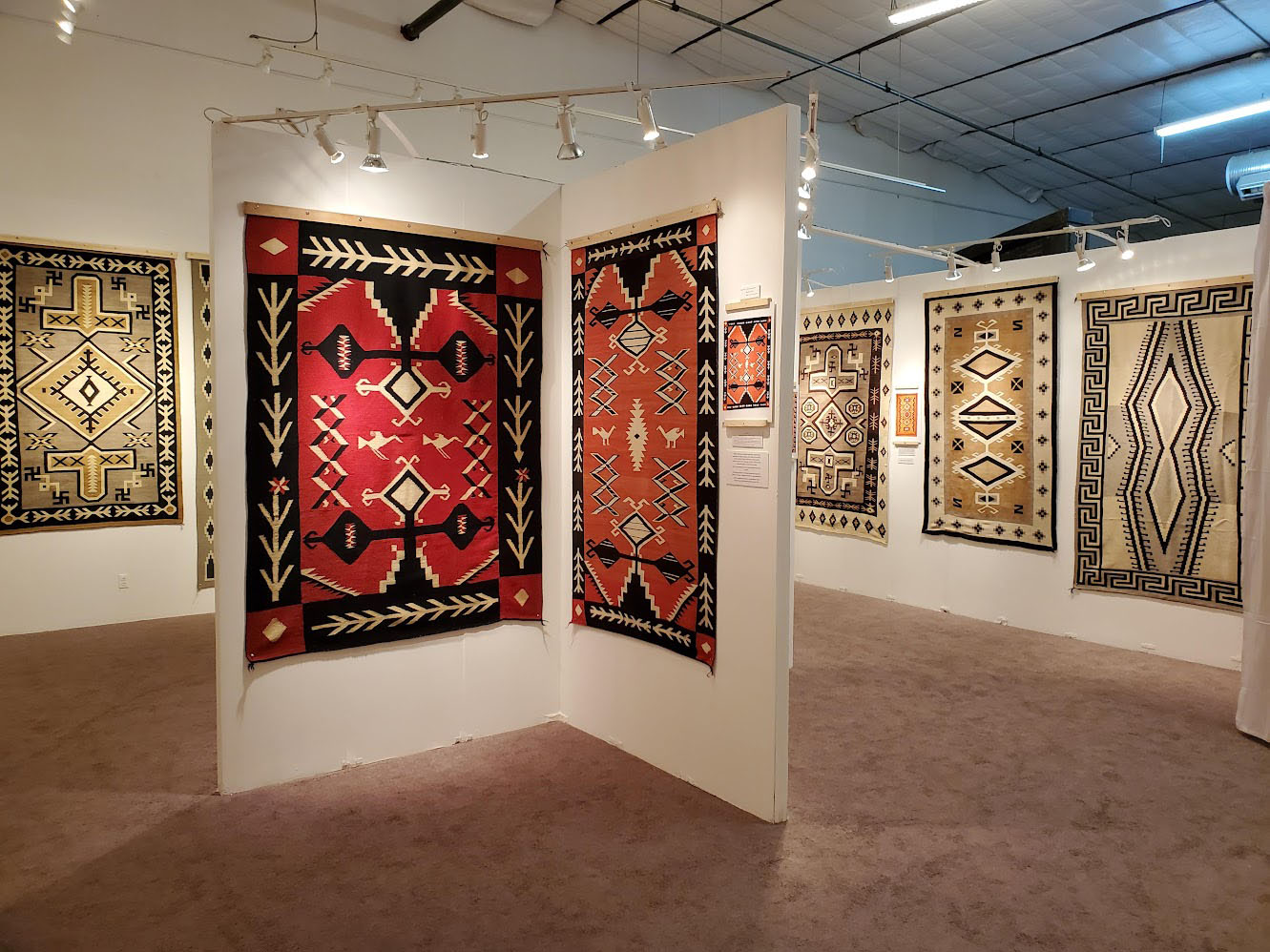
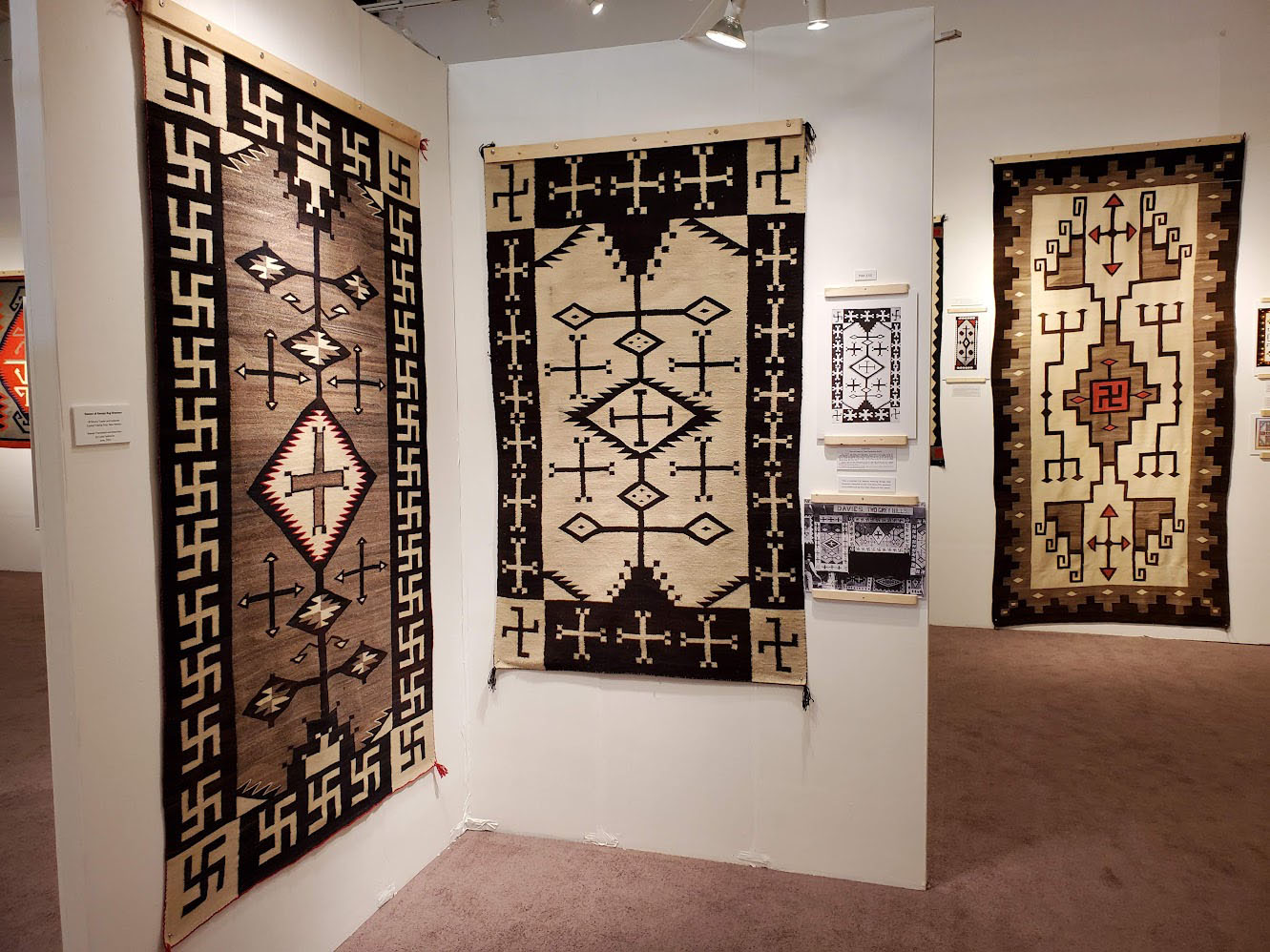
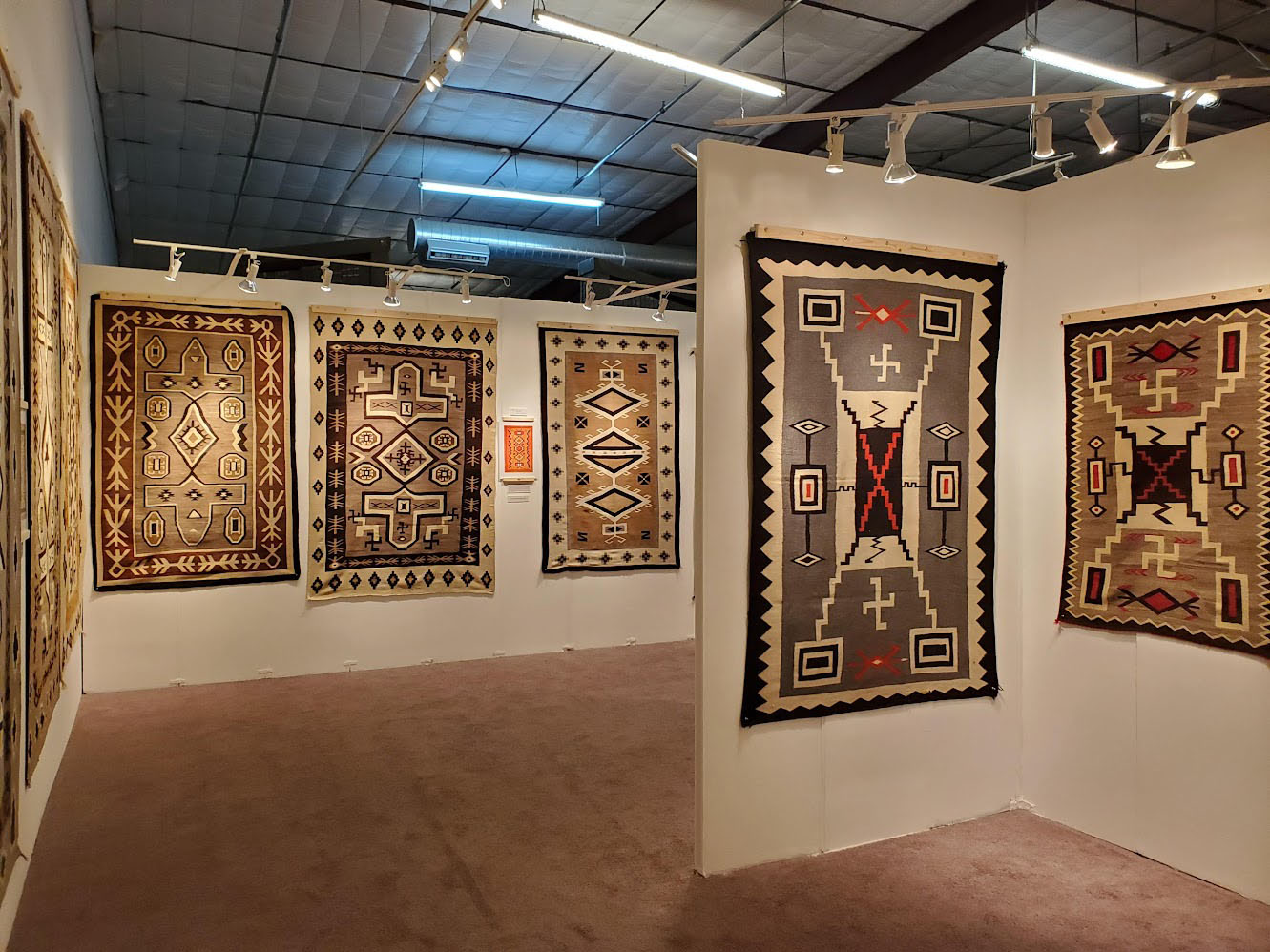
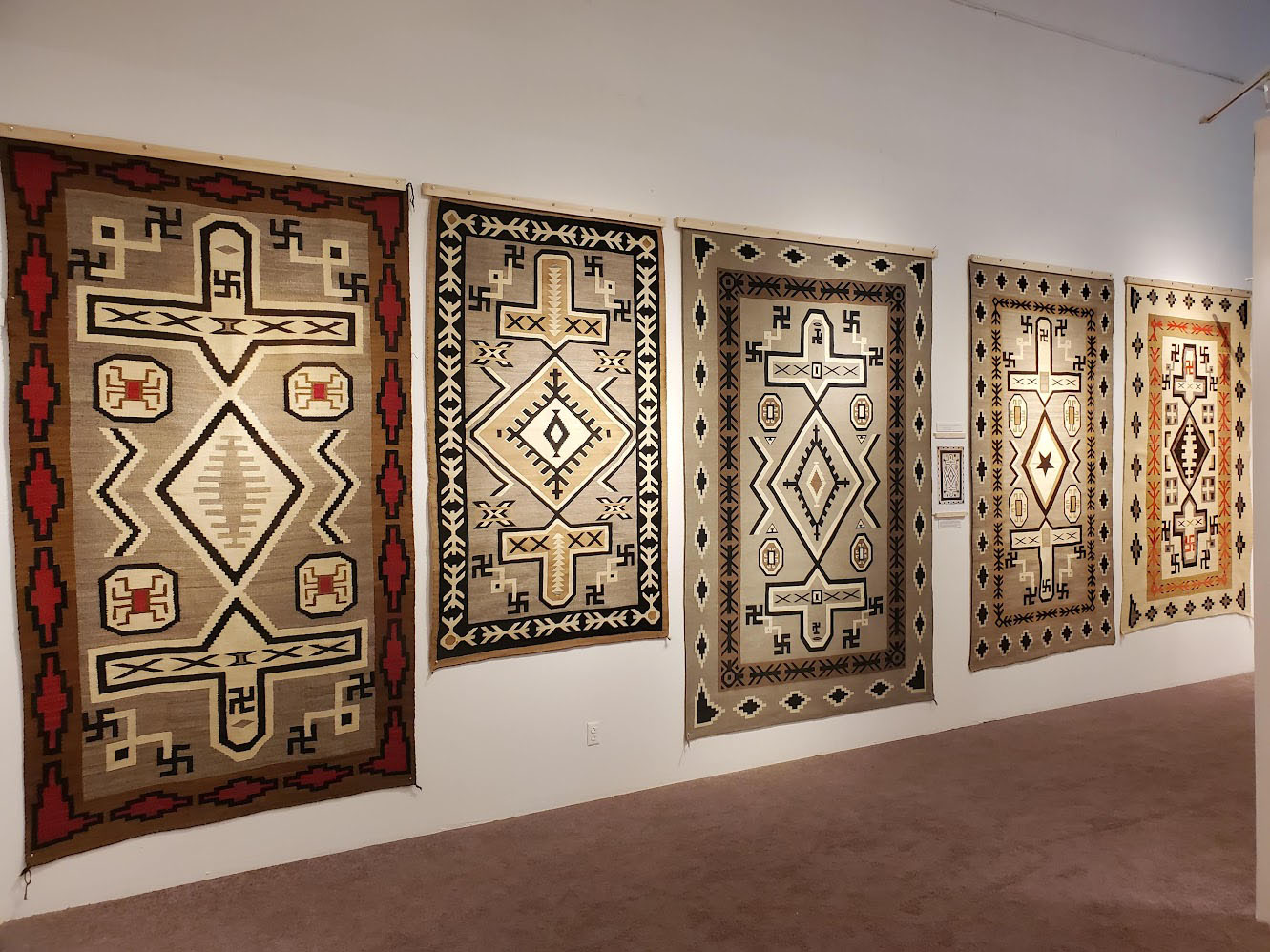
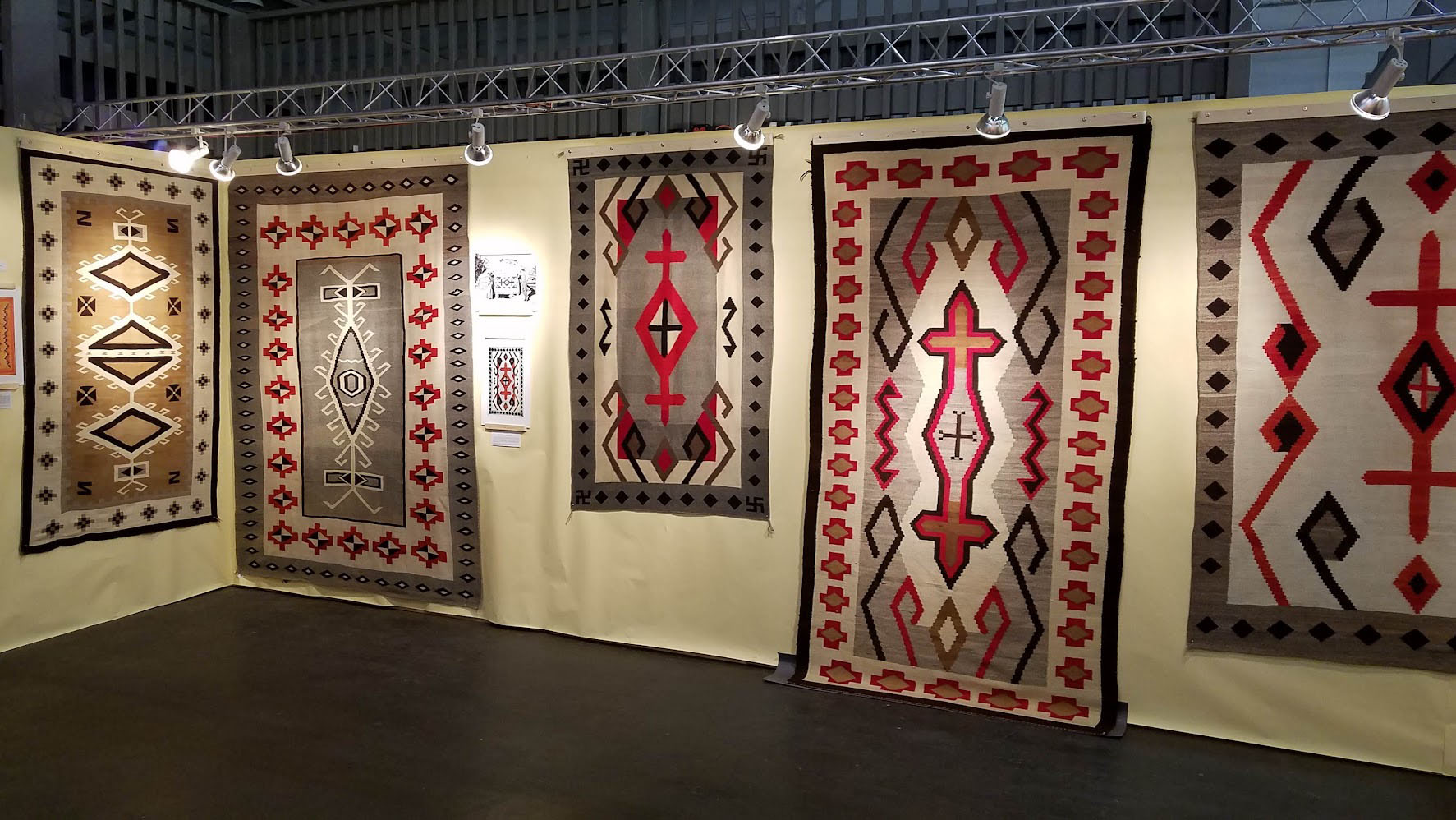
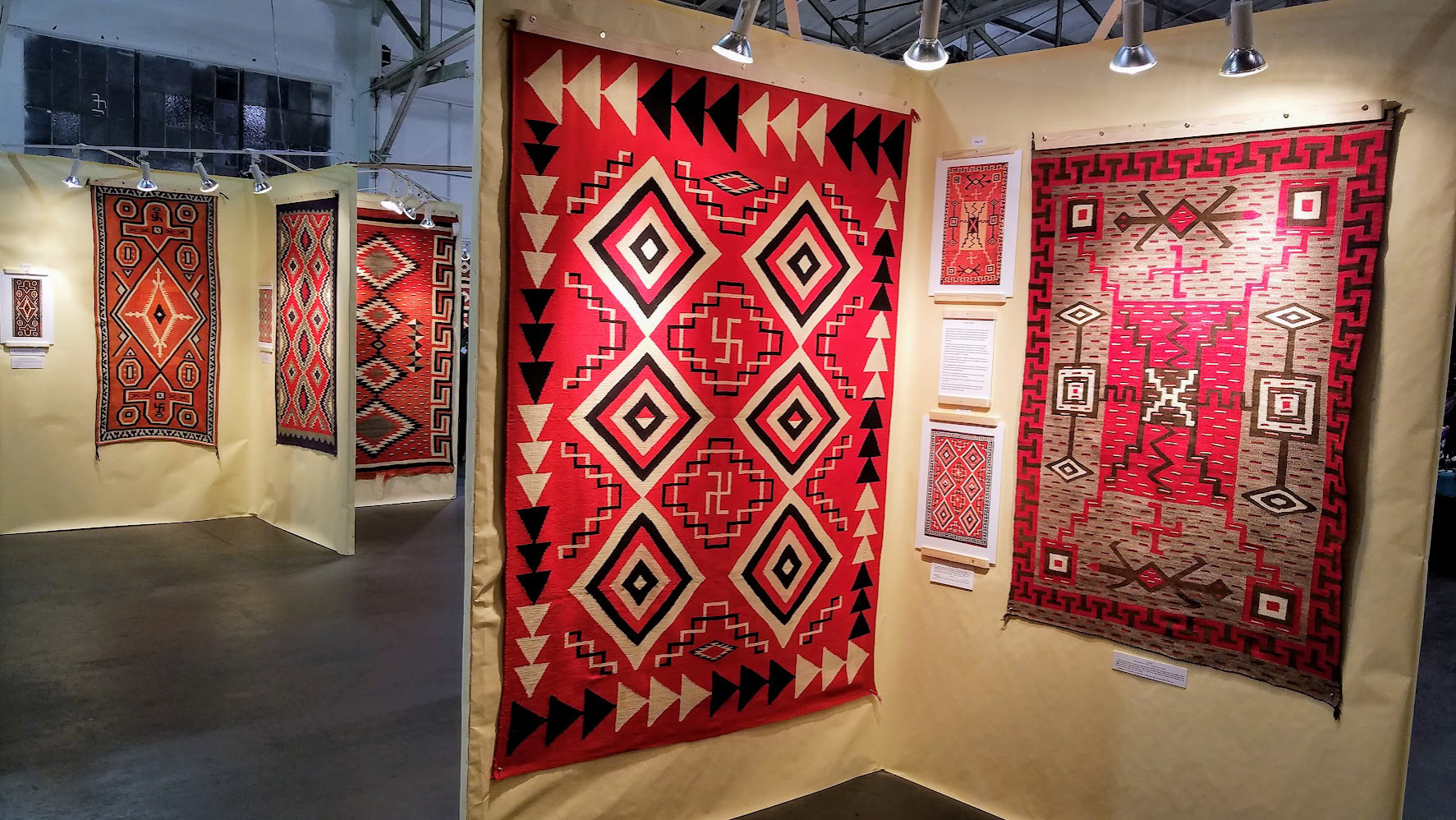
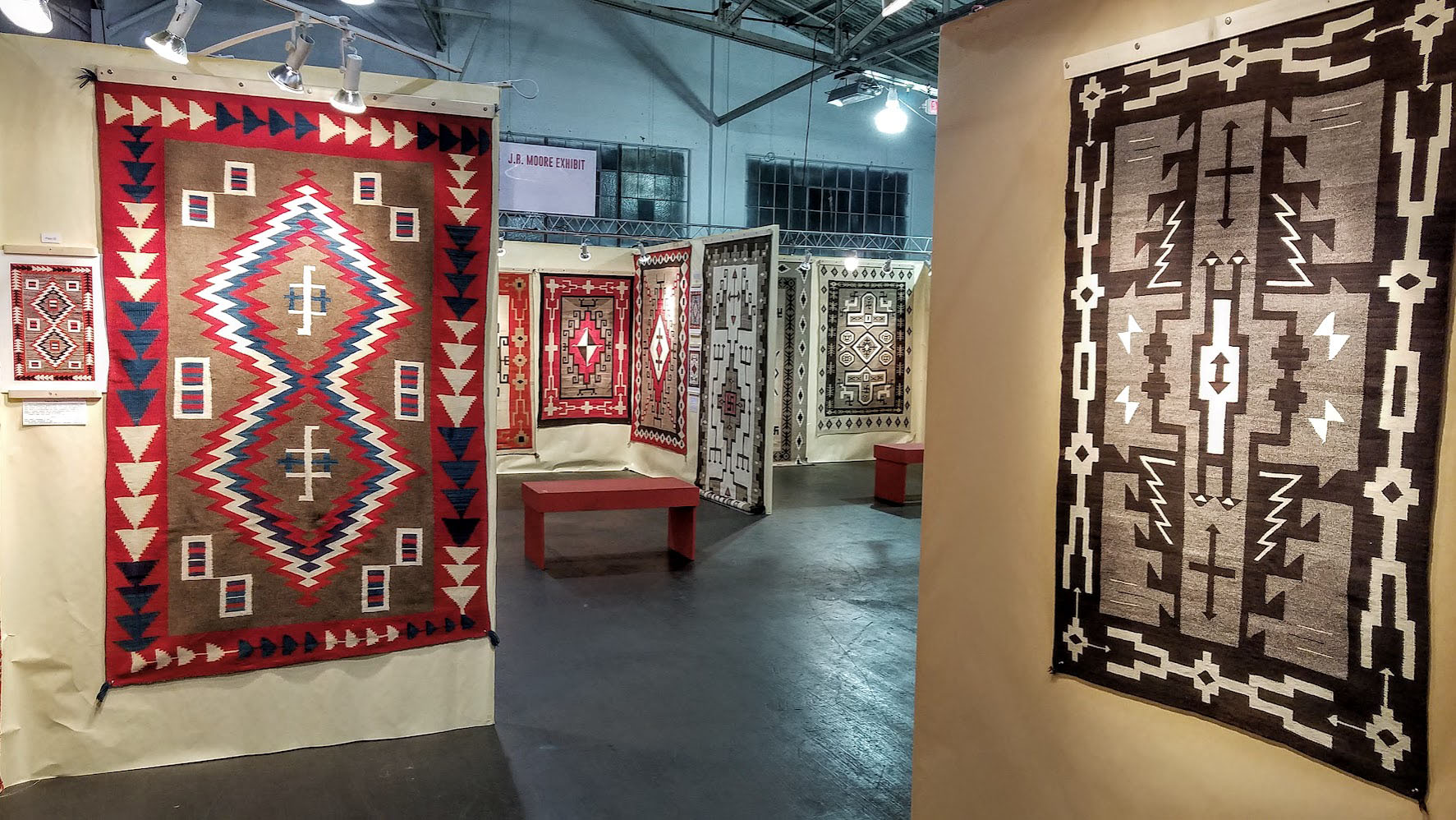
This publication represents a private collection of 53 antique Navajo rugs and 2 revival rugs representing all of the 31 plates in the 1903-1911 catalogs of J.B.Moore Indian trader at the Crystal Trading Post, New Mexico. The collection includes 3 original catalog rugs. The search will continue to seek period rugs for the two newer examples. However, the revival pieces will remain in the collection.
Many of the plates show multiple examples.
The collection of these J.B. Moore plate variants is the property of Robert S. Smith and Anne B.Smith. The photos of the collection are not to be reproduced without permission from the owners.
Thank you for viewing this collection.
-Robert S. and Anne B. Smith-
What We Know About J.B. Moore
John Bradford Moore was born in 1855 in Texas. The next 37 years of Moore’s life are unknown but In 1892 he was the mayor of Sheridan Wyoming, and married Mary Anne (Marion) Cooney from Liverpool, England. They had one child, Eunice Moore in 1894.
In 1896 he bought a small trading concern in the Navajo reservation in the Chuska Mountains in Northwest New Mexico and named it the Crystal Trading Post. It was a very isolated and cold location with limited access in the Winter. There had been unsuccessful attempts to establish a trading post before him in tents, but Moore constructed a building and began a more permanent business.
He joined the current trend of producing heavier weavings for rug use instead of blankets but mostly initially stuck to early blanket designs. In 1903 he produced his first catalog.
With the earlier invention of the color offset printing press and new legislation reducing the postage for catalogs, he began marketing rugs to the East markets and the Victorian homes of the era. With the Homestead Act of 1862, mail order catalogs were designated as aids in the spread of knowledge and were given the postage rate of 1 cent per pound. Rural free delivery came in 1896 and made catalog distribution even more economical.
His was not the first catalog of Navajo rugs. C.N. Cotton and Hubbell at Ganado also produced limited pamphlets earlier.
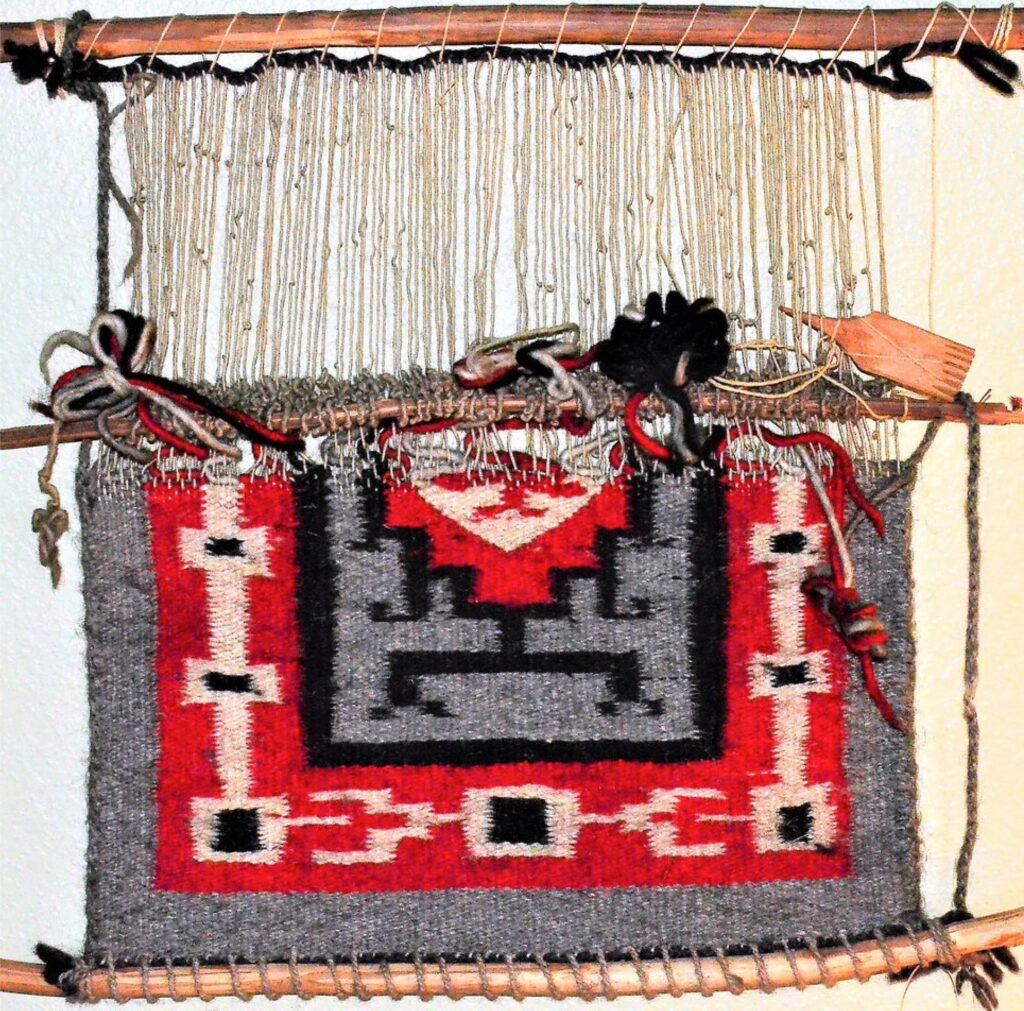
A buyer could order a catalog from Moore, choose a design he/she favored and could order a likeness, a VARIANT, of that rug. It would never be an exact copy because a Navajo loom was not a reproduction machine.
Special Grade ER-20
Moore’s Quotes:
“Our rugs are in two distinct classes, the difference being so clearly defined as to be apparent upon the most casual examination and comparison”.
The first or SPECIAL grade classed ER-20 differs from all others in that we first buy the wool, select only the best and most suitable of it, ship it away, have it scoured and thoroughly cleaned and shipped back. It is then spun into yarn and dyed in the yarn, with a very superior dye too, than that used in the trade woven rugs; insuring even and absolutely fast colors.
This wool is then issued out to the weavers who have proven their skill by their work, just sufficient for one rug at a time, and with each is given a measure for the size it is to be. If the weaver is known to be strong on originating handsome designs, she is left to work out the pattern in her own way.
But not all good weavers are good designers; so, for those who are not, we furnish patterns from our own cuts, or from other rugs in stock for them to work to.”
Moore goes on to state this is how he gets preciseness and evenness of color, pattern, and durability. Prices for this class were assigned by size.
Second or Tourist Grade T-XX
In this class the weavers are working their way up to the highest class.
Moore states “Starting with wool from the sheep’s back, every stage in the process of making this class is Indian handwork of the hardest kind.” Cleaning was not always the best if at all., colors not so fast. Moore states that “Some of the rugs are very fine and beautiful, but not all are, and some are anything but nice and handsome.” These were sold by the pound.
One begins to see that often several people might be involved in the production one rug. Sometimes Moore’s wife did the dyeing of the special wool, and others may have done some of the spinning.
Moore began to insist on cleaner wool and more precise rugs even to the extent that he would send some of the wool east to be cleaned and carded. This special wool was given to his best weavers. It is said he had about 16 weavers.
After the first catalog, Moore produced and sent several loose leaflets of new rugs to the same public. Moore also published a Navajo Basket catalog and a Navajo Handmade silver work catalog in 1906.
1911 Second Catalog
At some point between 1903 and 1911, Moore decided that the very popular Oriental rug designs flooding the eastern markets, were a good idea for his weavers at Crystal. Although Crystal was remote, there were at least 4 Oriental rug books circulating at the time in America and at Moore’s insistence, the weavers at Crystal began to incorporate Oriental motifs into their rugs.
However, Moore makes no mention in his catalog that many of the design elements were borrowed from another culture.
This second catalog of rugs was completely different from the past. Moore encouraged the use of Oriental motifs i.e. borders, central diamonds, floating elements, red, black, grey, and blue. One cannot estimate the resistance, if any, by the weavers to this new idea. That they adopted the oriental designs in surprising and clever ways seems to indicate the new program was not totally offensive to them, although copying exactly any of their own rugs was very unpopular. Hence the word variant is used for similar rugs.
In the second catalog Moore begins to name weavers and gives them credit for their designs. He also discusses some of the weavers’ personalities, includes photos of weavers and the Crystal area to lend credence to his authenticity.
Moore offered two grades or classes of rugs: Special Grade ER-20 or 2. Second or Tourist Grade T-XX
In late 1911 Moore abruptly sold his post to his manager Jesse Molohan. Evidently, his wife had been selling solicited donated items at the post as normal wares, resulting in U.S. Postal fraud. Little is known of Moore after this departure but he died in Las Vegas, New Mexico 14 October, 1926 and was buried in the New Mexico State hospital cemetery. Molohan and others continued to produce these designs well in to the 1930’s.
Regardless, the end products from Crystal Trading Post were often extraordinary and Moore’s long term effects on Navajo weaving are well acknowledged in many publications.
These new designs were quickly imitated and expanded upon by the neighboring Two grey Hills weavers in the following years and then to the Bisti and Teec Nos Pos regions, thereafter, becoming some of the most imaginative weavings of the times.